

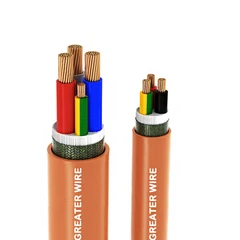
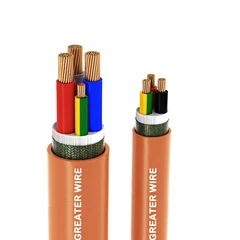


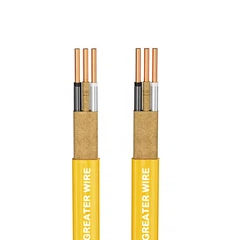
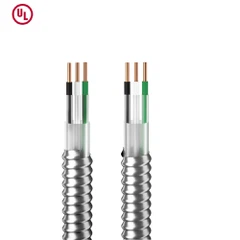



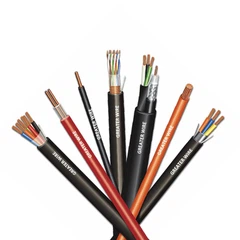
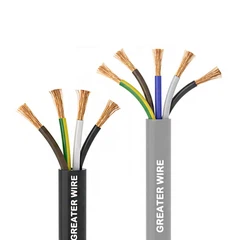
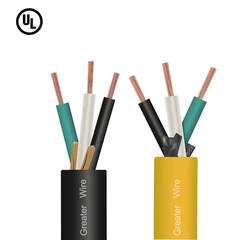
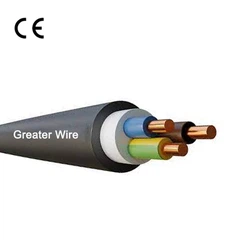
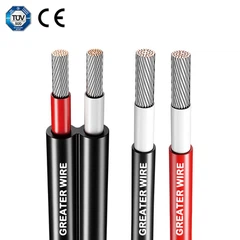

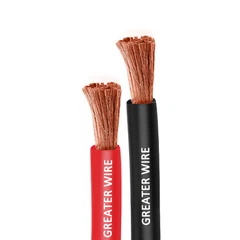
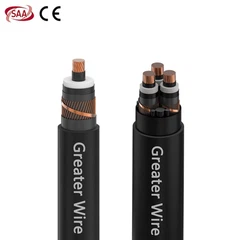
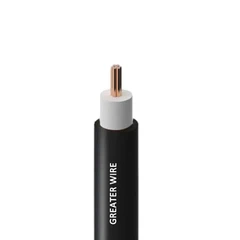

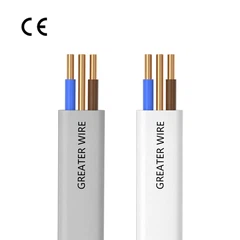
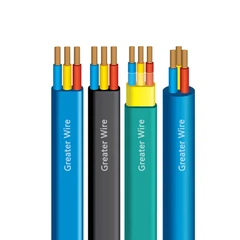
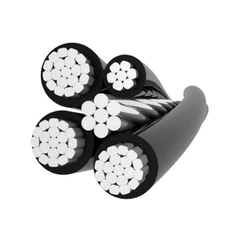
For manufacturing plant expansions, conveyor automation retrofits and new factory electrical layouts, rigid conduit wiring has long been the conventional construction standard. However, budget-conscious contractors and facility owners increasingly switch to certified exposed run tray cable to control overall project spending. Conventional PVC or metal conduits trigger stacked expenses from pipe fittings, excessive field labor and additional civil modification work, while compliant industrial TC-ER tray cables eliminate most of these overheads through simplified open-tray mounting. This article breaks down every measurable cost-saving advantage of exposed run wiring, focusing on flexible TC-ER cable, multiconductor TC-ER cable and dual-rated indoor outdoor TC-ER cable deployed in conveyor and manufacturing workshop projects.

1. Three Layers of Fixed Construction Costs Generated by Traditional Conduit Wiring
Conduit routing creates unavoidable overlapping expenditures that easily blow out industrial wiring budgets. The first major cost block is auxiliary pipe hardware: contractors must purchase full sets of rigid tubing, 90° elbows, T-couplings, junction boxes, sealing gaskets and wall mounting brackets to enclose single conductors or small cables. All these fittings add large material line items to purchase orders.
Second, labor costs surge dramatically. Electricians spend dozens of extra work hours threading individual wires through narrow pipe channels, especially on long conveyor production lines with dozens of independent control circuits. Wire jams at pipe bends force repeated pulling and adjustment, dragging down construction progress.
Third, hidden civil renovation fees emerge during factory retrofits. Hiding conduits requires cutting slots into concrete walls, drilling ceiling beams and repairing damaged surfaces after wiring completes. All wall repair, repainting and concrete filling work is charged as extra civil engineering labor. Many mid-sized manufacturing projects exceed initial budget estimates solely due to conduit accessories and delayed construction schedules.
2. Exposed Run Tray Cable Eliminates Full Conduit Accessory Procurement
The largest budget reduction comes from completely removing pipe system purchases, fully permitted under official TC-ER cable exposed run requirements. Qualified tray cables hold complete certification for open tray installation without any protective conduit, so project teams no longer need to order metal tubing, PVC conduits, pipe bends or wall junction boxes for power and control circuits.
multiconductor TC-ER cable integrates multiple insulated conductors inside one unified outer sheath. Instead of laying 3 to 7 separate single THHN wires through parallel conduits, installers run one integrated tray cable along rack trays. This cuts the total quantity of wiring accessories by over 60% for standard automation layouts. Every omitted pipe and fitting directly reduces upfront material procurement costs for electrical contractors. Even cost-efficient unshielded TC-ER cable for low-interference production lines further optimizes raw material spending without sacrificing compliance.
3. Flexible Multiconductor TC-ER Cables Shorten On-Site Wiring Labor Hours
Labor accounts for more than half of total industrial installation costs, and flexible TC-ER cable accelerates tray layout work significantly. Discrete single conductors pulled through rigid conduits frequently jam at angular bends, requiring slow, repeated pulling operations. In contrast, flexible tray cables feature soft stranded cores paired with smooth outer jackets that slide effortlessly along cable trays, even around tight turns near conveyor motors and control cabinets.
For large-scale conveyor systems running hundreds of feet across production zones, crews complete tray routing in less than half the time required for equivalent conduit wiring. Faster project completion eliminates overtime labor charges, a vital financial benefit for time-sensitive manufacturing plant upgrade projects.

4. Indoor Outdoor TC-ER Cable Removes Dual Wiring Material Budgets for Mixed Zones
Most factories combine enclosed indoor production areas with semi-outdoor ventilation racks, loading bays and open-sided conveyor sections. Conduit-based designs demand two separate wiring systems: standard PVC pipes for indoor use and costly weather-sealed metal conduits for semi-outdoor runs, effectively doubling accessory budgets.
indoor outdoor TC-ER cable is engineered to withstand dry indoor air, mild UV exposure and damp semi-outdoor environments under open tray exposure. One single cable model covers all mixed facility zones without switching to premium waterproof conduits. Suppliers stock this dual-rated tray cable as a standard inventory option, removing the need for two separate material lists and two distinct construction workflows.
5. Real-World Cost Comparison: Conduit vs Exposed Tray Cable for Conveyor & Manufacturing Lines
Field data from industrial electrical installers shows consistent cost gaps between the two wiring methods for manufacturing and conveyor automation systems. Conduit layouts carry three heavy cost burdens: pipe and fitting purchases, time-intensive threading labor, and wall/ceiling civil modification charges.
Exposed run flexible multiconductor TC-ER cable only needs standard cable trays and simple fasteners, with zero structural wall modification required. For a typical 200-foot conveyor control circuit, exposed tray wiring cuts combined material and labor spending by roughly 20% to 30% compared to full conduit routing. For multi-line manufacturing plants with dense control nodes, cumulative cost savings multiply across the entire facility's electrical layout.
6. Exposed Run Layout Avoids Hidden Civil Wall Renovation Charges
One frequently overlooked expense of conduit wiring is structural wall and ceiling repair. Concealing rigid pipes requires cutting concrete slots, drilling ceiling beams and refinishing damaged surfaces once wiring finishes-all billed as extra civil work.
Since exposed run tray cable mounts openly on overhead or wall-mounted cable trays, no wall chiseling or structural drilling for cable concealment is necessary. Factories undergoing partial production-line retrofits avoid expensive wall repair, repainting and concrete restoration fees. This advantage is especially valuable for food processing and chemical manufacturing plants that prohibit destructive wall renovation during active production shifts.

7. FAQs About Exposed Run Tray Cable for Cost-Efficient Industrial Installation
Q1: Does exposed run tray cable comply with industrial electrical standards without conduit protection? A: Yes. Official TC-ER cable exposed run requirements fully validate certified tray cables for open tray installation, aligning with core NEC industrial wiring specifications.
Q2: Why does flexible TC-ER cable deliver larger labor savings than rigid tray cable variants? A: Its soft stranded core achieves a tighter minimum bend radius, enabling smooth routing around conveyor motors and cabinet corners without tedious wire pulling delays.
Q3: Can indoor outdoor TC-ER cable replace weatherproof metal conduit for semi-outdoor factory tray runs? A: Absolutely. Dual-rated indoor outdoor TC-ER cable resists mild UV radiation and ambient humidity, eliminating expensive sealed metal conduit for semi-outdoor tray zones.
Q4: Which industrial projects see the maximum budget reduction from exposed run tray cable? A: Manufacturing plant expansions, long conveyor automation lines and facilities with dense clustered control panels generate the largest cuts to labor and auxiliary material budgets.
8. Cost-Optimized Exposed Run TC-ER Cable Solutions for Your Factory Layout
Switching from full conduit wiring to certified exposed run tray cable delivers measurable reductions in material procurement, construction labor and civil renovation overheads. We supply cost-effective flexible TC-ER cable, multiconductor TC-ER cable and dual-rated indoor outdoor TC-ER cable customized for manufacturing facilities and conveyor automation systems. All products meet official exposed tray installation standards, balancing low upfront installation costs with stable long-term operational safety. Contact our engineering team to receive a side-by-side budget comparison between conduit wiring and exposed TC-ER tray layouts for your upcoming industrial project.
Contact Us:
Dongguan Greater Wire & Cable Co., Ltd.
Tel/WhatsApp/Wechat: +86 136 6257 9592
Tel/WhatsApp/Wechat: +86 135 1078 4550
Email: manager01@greaterwire.com
Website: www.greaterwire.com