

























Characteristics
Voltage Rating;100V
Temperature Rating:
Fixed: -40°C to +85°C
Flexed: -20°C to +85°C
Minimum Bending Radius: Flexed: 6 x overall diameter Conductor: Generally to Class 6 flexible copper conductor Separator: PET (Polyester Tape)
Sheath: Rubber compound
Sheath Colour: Black/Red
Standards: EN 50525-2-81,EN 60228, HD 22.6, VDE 0282-6BS 638 Part 4 Flame Retardant according to lEC/EN 60332-1-2
Application
H01N2-D welding cable complies with the EN 50525-2-81 standard and is designed for high-performance connections in welding equipment. The cable is widely used in welding robots in the automotive industry, shipyards, and manually or automatically operated welding production lines and spot welding equipment to ensure efficient and stable current transmission. In addition, it is suitable for battery interconnect cables and battery energy storage systems, and can maintain reliable performance under various working conditions.
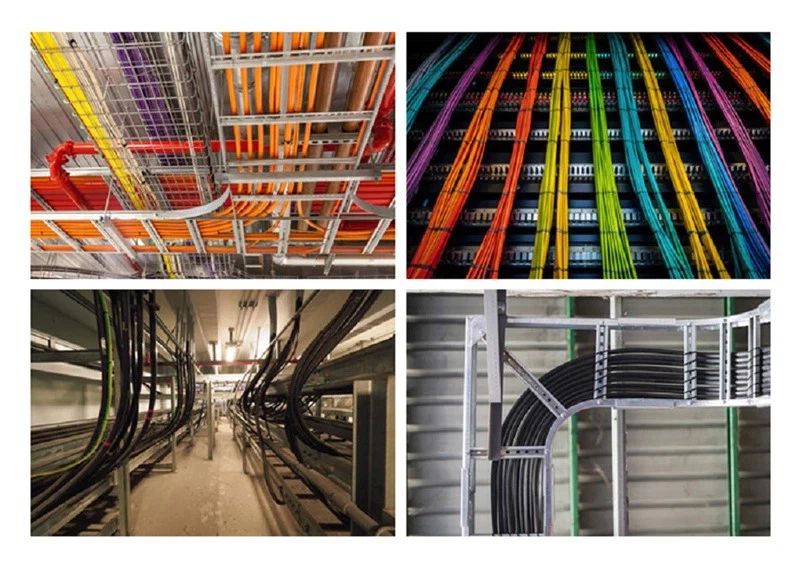
Feature
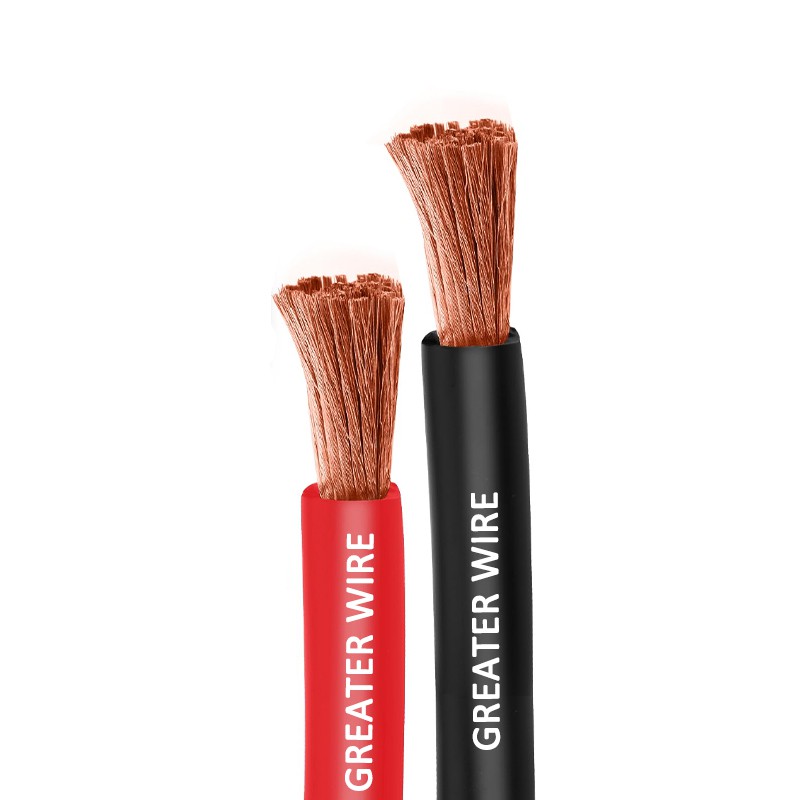
H01N2-D welding cable complies with the EN 50525-2-81 standard and has a wide temperature tolerance range. It can withstand -40°C to +85°C when installed in fixed locations and -20°C to +85°C when used in mobile applications, ensuring stable performance under different environmental conditions. The cable uses Class 6 ultra-fine stranded copper conductors, which provide excellent conductivity and flexibility, making it suitable for applications with frequent bending and movement. The cable has a PET (polyester tape) separator layer inside to effectively improve structural stability. The outer sheath is made of high-strength rubber composite material with excellent wear resistance, oil resistance and weather resistance, and can withstand harsh industrial environments.
Certification
Welding cables are UL (Underwriters Laboratories) certified and meet US and international safety standards for safety, durability and performance. UL-certified welding cables are rigorously tested to provide stable and reliable current transmission in high-load welding applications.

Package

Factory

Greater Wire Manufacturer's advanced cable factory features an intelligent and digital manufacturing environment. By seamlessly integrating cutting-edge technology, the factory has successfully eliminated errors and defects that can occur during the traditional manual assembly process. The shift to digital manufacturing not only improves efficiency, but also demonstrates our commitment to providing customers with products of the highest reliability. The smart factory framework ensures a streamlined and error-free production process, minimizes the possibility of human variation, and increases precision that was previously unattainable. The factory strictly adheres to quality control through precise and automated inspection mechanisms. From the beginning to the final stage of the manufacturing process, products are thoroughly inspected. Digital intelligent image detection and laser technology are used to ensure that each product meets the strict standards set by our company. The commitment to quality extends to our inspection accuracy, which achieves an accuracy of 0.002 mm, exceeding industry benchmarks.
Case

Partner
FAQ
Q: Why is copper better than aluminum for welding cables?
Q: Can I use welding cable for battery cable?
Hot Tags: h01n2-d en 50525-2-81 welding cable, China h01n2-d en 50525-2-81 welding cable manufacturers, suppliers, factory, rubber cable, rubber welding cable, Super Flexible Welding Cable

| NO.OF CORES | NOMINAL CROSS SECTIONAL AREA mm2 |
NOMINAL THICKNESS OF INSULATION mm |
NOMINAL OVERALL DIAMETER mm |
NOMINAL WEIGHT kg/km | MAXIMUM DIAMETER OF WIRES IN CONDUCTOR mm |
MAXIMUM RESISTANCE OF CONDUCTOR AT 20°C Plain Wires |
| 1 | 10 | 2 | 9 | 146 | 0.21 | 1.91 |
| 1 | 16 | 2 | 10 | 204 | 0.21 | 1.21 |
| 1 | 25 | 2 | 11.5 | 290 | 0.21 | 0.78 |
| 1 | 35 | 2 | 12.5 | 384 | 0.21 | 0.554 |
| 1 | 50 | 2.2 | 14.5 | 535 | 0.21 | 0.386 |
| 1 | 70 | 2.4 | 16.5 | 716 | 0.21 | 0.272 |
| 1 | 95 | 2.6 | 18.5 | 943 | 0.21 | 0.206 |
| 1 | 120 | 2.8 | 20.5 | 1235 | 0.51 | 0.161 |
| 1 | 150 | 3 | 23 | 1556 | 0.51 | 0.129 |


