

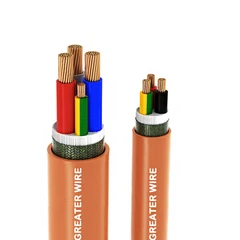
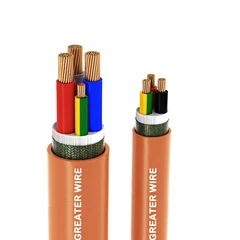

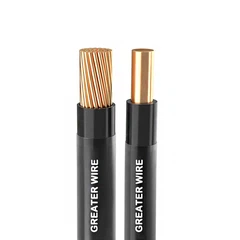
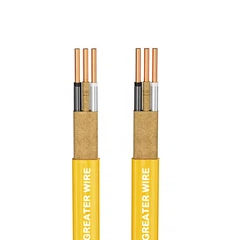
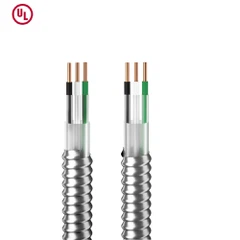
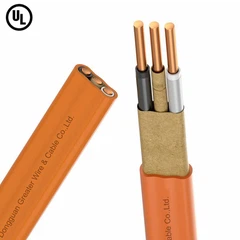
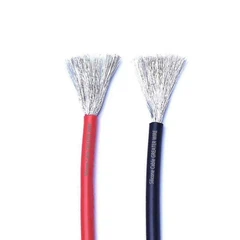
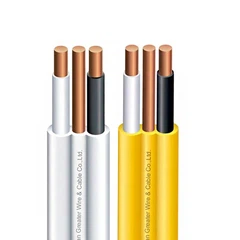
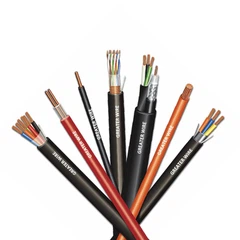
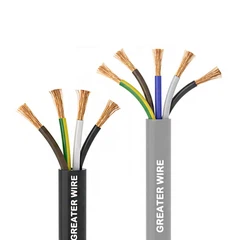
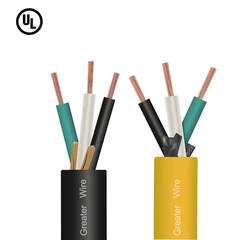
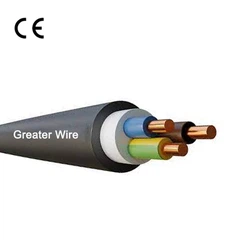
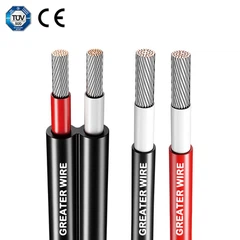

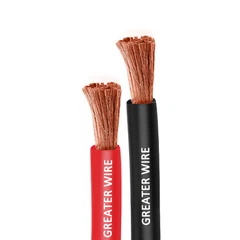
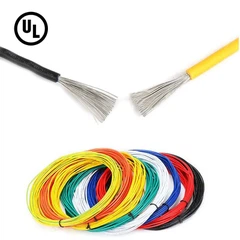
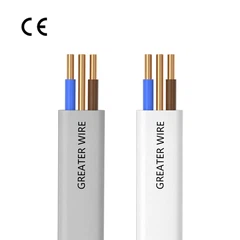
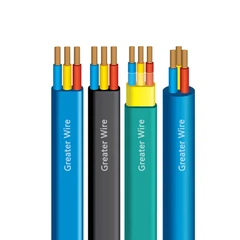
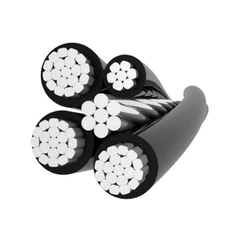
TFFN wire, short for Thermoplastic Flexible Fixture Nylon-coated wire, is a type of electrical wiring commonly used in various applications due to its flexibility, durability, and cost-effectiveness. It is constructed with a copper conductor, a thermoplastic PVC insulation layer, and a nylon jacket. These components collectively give the wire its unique properties, including resistance to heat, moisture, and abrasion.


Characteristics of TFFN Wire
TFFN wire offers several features that make it popular in residential, commercial, and industrial settings:
Heat Resistance: TFFN wire can withstand temperatures up to 90°C in dry environments. This high-temperature rating makes it suitable for use in fixtures and appliances.
Moisture Resistance: Thanks to its nylon coating, TFFN wire resists moisture, allowing it to operate effectively in damp conditions.
Flexibility: Its thin, lightweight construction makes it easy to maneuver and install, even in tight spaces.
Electrical Conductivity: The copper conductor provides excellent electrical conductivity, ensuring reliable power transmission.
Common Applications of TFFN Wire
Fixture Wiring: TFFN wire is commonly used for wiring light fixtures due to its flexibility and heat resistance.
Conduit Installation: It is suitable for use inside conduits where its insulation and coating protect it from external elements.
Appliance Wiring: The wire is frequently employed in appliances requiring flexible connections and resistance to heat and moisture.
Control Circuits: TFFN wire is also used in low-voltage control circuits due to its reliable performance and cost-effectiveness.

Can TFFN Wire Be Buried Directly?
While TFFN wire has many advantages, it is not designed for direct burial. This is because the wire's thermoplastic insulation and nylon coating, although durable, are not rated for long-term exposure to soil and moisture. Direct burial applications expose wires to harsh environmental conditions, such as fluctuating moisture levels, pressure from soil compaction, and potential contact with corrosive substances, which TFFN wire is not engineered to withstand.
Why TFFN Wire Is Unsuitable for Direct Burial
Lack of UV and Soil Resistance: TFFN wire's insulation and nylon coating are not designed to resist the prolonged effects of UV radiation or corrosive elements found in soil.
Durability Concerns: The thin insulation and coating can degrade when exposed to physical abrasion, chemicals, or fluctuating moisture levels underground.
Code Compliance: Electrical codes such as the National Electrical Code (NEC) in the U.S. specify that TFFN wire is not suitable for direct burial unless placed within a protective conduit.

Alternative Solutions for Underground Wiring
For applications requiring buried wiring, consider the following alternatives:
UF-B Wire (Underground Feeder Cable):
Designed for direct burial without additional protection.
Comes with tough insulation to resist moisture and physical damage.
Commonly used for outdoor lighting, sprinkler systems, and powering outdoor structures.
THWN or THWN-2 Wire:
These wires are rated for wet locations and are often used in conduits for underground wiring.
The thermoplastic insulation and water-resistant properties make them ideal for such applications.
Conduit with TFFN Wire:
TFFN wire can be used underground if it is installed within a conduit such as PVC or metal conduit.
The conduit provides the necessary protection against soil, moisture, and physical damage.

Installing TFFN Wire Underground with Conduit
If you plan to use TFFN wire underground, follow these guidelines to ensure safety and compliance:
Choose the Right Conduit:
Use PVC or metal conduit rated for underground use.
Ensure the conduit is watertight to prevent moisture infiltration.
Depth Requirements:
Follow local electrical codes for the required burial depth of conduits. In most cases, conduits should be buried at least 18–24 inches deep.
Proper Connections:
Use watertight fittings to seal the conduit and prevent water ingress.
Ensure that any splices or connections are made in a weatherproof junction box.
Inspection and Testing:
Before burying the conduit, inspect the installation for compliance with electrical codes.
Test the wiring for continuity and insulation resistance to ensure safe operation.

Advantages of Using Conduit with TFFN Wire
Enhanced Protection: The conduit shields the wire from soil, moisture, and potential physical damage.
Longevity: Proper installation in a conduit can significantly extend the lifespan of TFFN wire in underground applications.
Code Compliance: Installing TFFN wire in a conduit ensures adherence to electrical safety codes.
Regulatory Considerations
Adhering to local electrical codes is critical when installing any type of wiring. The NEC specifies requirements for the use of TFFN wire, including its installation in conduits for underground applications. Before starting any wiring project, consult your local building codes and obtain the necessary permits.
Summary of Key Points
TFFN wire is not suitable for direct burial due to its lack of resistance to soil and moisture conditions.
It can be used underground if installed within a protective conduit.
Alternatives like UF-B wire or THWN wire are better suited for direct burial.
Always consult electrical codes and follow best practices to ensure a safe and compliant installation.