



You have a project that requires running power underground. Maybe it is a feeder to an outbuilding, a line to outdoor equipment, or a service entrance from the utility. You know XHHW-2 is a good wire-heat-resistant, moisture-resistant, durable. But can it go underground?
The short answer is yes. But the details matter.
XHHW-2 wire is suitable for underground installations under specific conditions. It is rated 90°C in both wet and dry locations, which makes it inherently more suitable for underground use than wires with lower wet location ratings. However, the installation method-conduit or direct burial-depends on the specific cable construction and local code requirements.
This article covers the requirements for installing XHHW-2 underground, including conduit types, direct burial considerations, depth requirements, and best practices.
1. Underground Installation Options for XHHW-2
XHHW-2 can be installed underground in two ways.
- Conduit installation. This is the most common method. XHHW-2 individual conductors are pulled through conduit that is buried underground. The conduit protects the conductors from physical damage, moisture, and soil conditions. This method is suitable for most commercial and industrial underground runs.
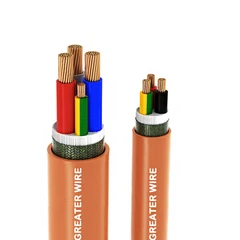
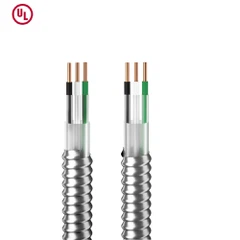
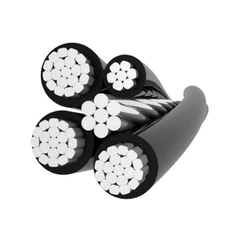
- Direct burial. Some XHHW-2 cables are rated for direct burial-meaning they can be buried directly in the ground without conduit. However, this requires specific cable constructions with additional mechanical protection, such as interlocked armor or a robust jacket. Not all XHHW-2 is rated for direct burial. Always check the cable marking and manufacturer specifications.
XHHW-2 wire underground conduit installations are the most common and straightforward method for most projects.

2. Conduit Requirements for Underground XHHW-2
When installing XHHW-2 underground, the conduit choice matters.
- Rigid Metal Conduit (RMC). RMC provides excellent mechanical protection and is suitable for underground installations. It is durable and resists crushing. For areas with corrosive soil, PVC-coated RMC offers additional protection.
- PVC Conduit. PVC conduit is a popular choice for underground runs. It is non-conductive, resists corrosion, and is more economical than metal conduit. Schedule 40 or Schedule 80 PVC is commonly used.
- Conduit sealing. Underground conduits can collect water. Proper sealing at joints and terminations is essential to prevent moisture ingress. Use waterproof compounds and fittings designed for underground use.
- Transition points. Where conduit emerges from underground, proper transitions are required. For example, when PVC conduit emerges from the ground, it may need to transition to rigid metal conduit for aboveground protection.
3. Direct Burial of XHHW-2: What You Need to Know
Direct burial can save the cost of conduit, but it is not always an option.
- Rating required. Only XHHW-2 cables specifically marked for direct burial can be buried without conduit. The cable must have adequate protection against moisture, soil chemicals, and physical damage. Look for markings such as "Direct Burial" or "DIR BUR" on the cable jacket.
- Mechanical protection. Direct burial cables need robust jackets or armor to resist damage from rocks, roots, and rodents. Cables with interlocked armor or thick PVC jackets are common choices.
- Warning tape. When burying cable, place warning tape above the trench to alert future excavators. This is a standard safety practice and often required by code.
XHHW-2 direct burial cable is available from manufacturers who produce cables with the necessary ratings and construction for underground use.
4. Burial Depth Requirements
Proper burial depth is essential for safety and code compliance.
Minimum depths. The National Electrical Code (NEC) specifies minimum burial depths in Table 300.5. Requirements vary based on the installation type and location.
Typical depths:
Residential circuits in PVC conduit: 18 inches of cover
Residential direct burial: 24 inches minimum
Commercial installations: often 24 to 36 inches
Under driveways or roads: greater depths may be required
Local codes. Always check local codes, as they may require deeper burial than the NEC minimum. Some jurisdictions have specific requirements for depth, backfill material, and warning tape.
Backfill material. Use sand or gravel to cushion the cable or conduit and improve drainage. Avoid sharp rocks or debris that could damage the cable or conduit.

5. Bending Radius Considerations for Underground Runs
Underground conduit runs often involve bends. Maintaining the proper bending radius prevents damage to the conductor and insulation.
- General rule. For XHHW-2 conductors, the minimum bending radius is typically 4 to 6 times the cable diameter, depending on the specific cable construction and whether the cable is under tension during pulling.
- Larger conductors require larger bends. For conductors larger than 4 AWG, the minimum bending radius increases. This is particularly important for 350 kcmil XHHW-2 and larger conductors used in heavy underground feeders.
- Plan conduit bends. When designing underground conduit runs, use sweeping bends rather than sharp elbows to maintain the proper radius and reduce pulling tension. For example, a 4/0 AWG XHHW-2 wire pull through underground conduit requires careful bend planning to avoid exceeding the minimum radius.
6. Three XHHW-2 Sizes for Underground Applications
Different underground projects require different wire sizes. Here are three common XHHW-2 specifications used in underground installations.
2 AWG XHHW-2 Wire – Sub-Feeders and Outdoor Equipment
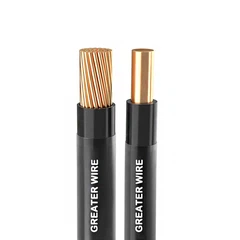
The 2 AWG size is commonly used for underground feeders to outbuildings, outdoor equipment, and sub-panels. It provides sufficient ampacity for moderate loads while remaining manageable for conduit pulls. For XHHW-2 wire underground conduit installations, 2 AWG is a practical size that balances ampacity with ease of installation.
4/0 AWG XHHW-2 Wire – Heavy Feeders and Service Entrances
The 4/0 AWG size is used for heavier underground feeders and service entrances. It carries substantial current and is commonly specified for feeders to large equipment or main distribution panels. When installed in underground conduit, 4/0 AWG XHHW-2 provides reliable power delivery over significant distances.
350 kcmil XHHW-2 Wire – Large Commercial Underground Feeders
At the upper end, 350 kcmil XHHW-2 is used for large commercial underground feeders and service entrances. This size handles heavy loads with minimal voltage drop over long underground runs. For raceway wiring requirements in large commercial projects, 350 kcmil is often specified for main feeders. The larger conductor requires careful attention to conduit sizing, bending radius, and pulling tension during installation.
7. Best Practices for Underground XHHW-2 Installation
Following best practices ensures a reliable, long-lasting underground installation.
- Use proper pulling lubricant. Even though XHHW-2 has a smooth XLPE surface, lubricant reduces friction and pulling tension on long underground runs.
- Protect terminations. Underground conduits can collect water. Use waterproof terminations and seal the conduit ends to prevent moisture from entering buildings or equipment.
- Document the installation. Record the cable size, depth, route, and any splices or terminations. This documentation is valuable for future maintenance and troubleshooting.
- Consider future expansion. When sizing conduit, consider leaving space for future conductors. It is easier to install larger conduit now than to dig later.
- Inspect before backfilling. Before covering the trench, inspect the conduit or cable for damage. Check that all connections are secure and that the installation meets code requirements.
FAQ
Q1: Can XHHW-2 be buried directly in the ground?
Only if the cable is specifically marked for direct burial. Not all XHHW-2 is rated for direct burial. Check the cable marking and manufacturer specifications.
Q2: What type of conduit is best for underground XHHW-2?
PVC conduit is common and economical. Rigid metal conduit (RMC) provides better mechanical protection. PVC-coated RMC is available for corrosive soil conditions.
Q3: How deep must XHHW-2 be buried?
Depth depends on the installation type and local codes. Residential PVC conduit typically requires 18 inches of cover. Direct burial typically requires 24 inches or more. Always check local requirements.
Q4: Can XHHW-2 be used in underground cable trays?
Yes, when installed in accordance with code requirements for tray installations and when the cable is rated for tray use.
Q5: Does Greater provide UL 44 certified XHHW-2 wire suitable for underground installation?
Yes.Dongguan Greater Wire & Cable Co., Ltd. offers UL 44 certified XHHW/XHHW-2 copper building wire suitable for underground conduit installations. We can provide the certificate and file number upon request.

Need XHHW-2 Wire for Your Underground Project?
Tell us about your project-wire size, installation method, and depth requirements. We will recommend the right XHHW/XHHW-2 wire and send a quick quote.
Contact us
Dongguan Greater Wire & Cable Co., Ltd.
Tel/WhatsApp/Wechat: +86 136 6257 9592
Tel/WhatsApp/Wechat: +86 135 1078 4550
Email: manager01@greaterwire.com
Website: www.greaterwire.com