



When planning an electrical installation, especially in industrial or commercial projects, cable selection is not just a technical detail-it is a safety and compliance decision. One of the most frequently asked questions we receive is: Can you run SO cord in a wall?
The short answer is no, but the reasons behind this answer matter. Misusing SO cord for in-wall wiring can lead to code violations, failed inspections, fire risks, and costly rework. In this article, we explain what SO cord really is, why it was never designed for concealed installations, and how to choose compliant alternatives while ensuring efficient procurement and reliable supply.
What Is SO Cord?
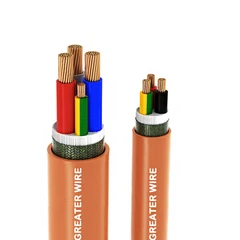
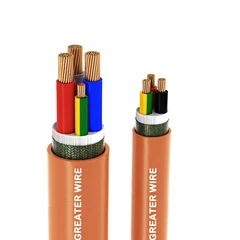
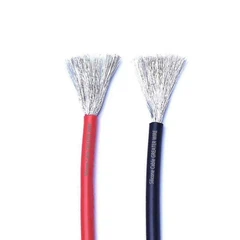
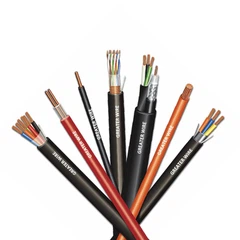
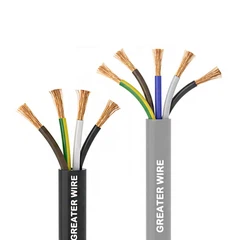
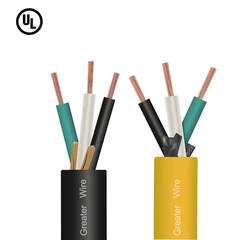
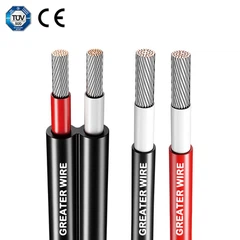
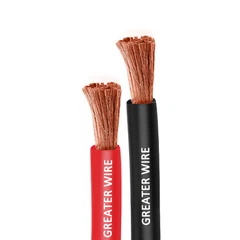
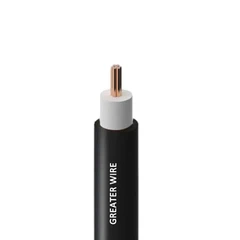
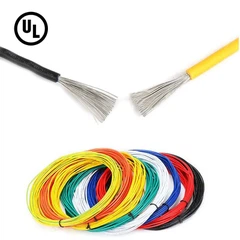
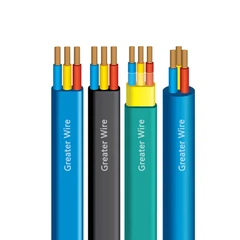
SO cord, short for Service Oil-resistant Cord, is a flexible power cable designed for demanding industrial environments. It typically consists of finely stranded copper conductors, rubber or thermoset insulation, and a heavy-duty oil-resistant outer jacket. Most SO cords are rated for 600 volts and engineered to withstand abrasion, mechanical stress, moisture, and exposure to oils and chemicals.
SO cord is widely used for portable equipment, industrial machinery, extension assemblies, and temporary power connections. Its flexibility and durability make it ideal for applications where movement is required. Importantly, SO cord is classified as a flexible cord, not a building wire-this distinction defines where and how it may be used.
Design Purpose and Typical Application Limitations of SO Cord
SO cord was engineered for visible, accessible, and serviceable installations. Its core design purpose is to supply power to equipment that may move, vibrate, or require frequent maintenance. Because of this, SO cord prioritizes flexibility and mechanical resilience over characteristics needed for permanent building wiring.
Flexible cords like SO are not intended to be concealed within walls, ceilings, or floors. Unlike fixed wiring cables, SO cord is not designed to be permanently enclosed, nor is it optimized for long-term heat dissipation or mechanical protection within structural cavities. This fundamental design intent is the technical foundation for its usage restrictions.

Is SO Cord Allowed to Be Run Inside a Wall?
From a regulatory standpoint, SO cord is not permitted for in-wall installation.
According to the National Electrical Code (NEC) in the United States, flexible cords-including SO cord-are explicitly prohibited from being used as a substitute for fixed wiring. NEC rules clearly state that flexible cords may not be run through walls, ceilings, or floors, nor concealed behind building surfaces.
Similarly, UL listings for SO cord define it as a flexible cord for exposed applications only. Products listed as SO cord do not carry approval for permanent or concealed wiring. Installing SO cord inside a wall would therefore violate code requirements, fail electrical inspections, and potentially invalidate insurance coverage.
This is not a matter of interpretation-it is a clearly defined compliance issue.
Why SO Cord Is Not Suitable for In-Wall Installation
Beyond code compliance, there are solid engineering and safety reasons why SO cord should never be installed inside walls.
First, heat dissipation is a major concern. In concealed spaces, cables rely on proper thermal characteristics to prevent overheating. SO cord is not designed for continuous heat buildup in enclosed cavities.
Second, mechanical protection is insufficient for in-wall use. Building wiring cables are engineered to resist nails, screws, and long-term structural stress. Flexible cords lack this level of protection.
Third, aging and inspection risks increase significantly. Concealed SO cord cannot be easily inspected or replaced, and its rubber-based materials may degrade faster when permanently enclosed.
Finally, improper use introduces fire and liability risks. In the event of an electrical incident, non-compliant cable selection is often the first issue identified during investigations.
What Cables Should Be Used for In-Wall Wiring Instead?
When wiring inside walls, only cables specifically approved for permanent building installation should be used. Common compliant alternatives include:
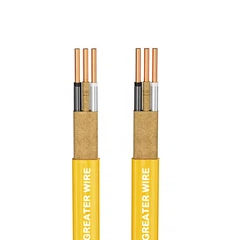
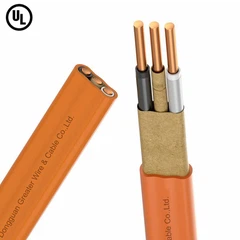
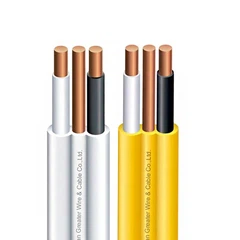
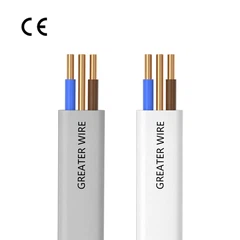
- NM-B cable for residential and light commercial applications
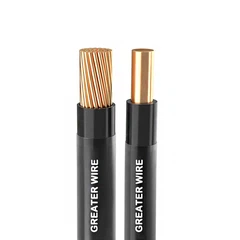
- THHN / THWN conductors installed inside approved conduit systems
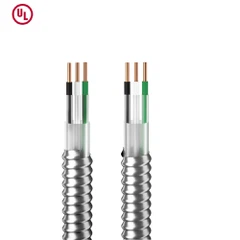
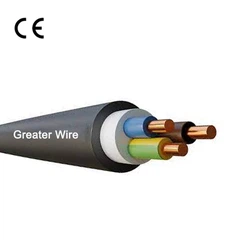
- MC (Metal-Clad) or BX cable for commercial and industrial environments
Each of these options is designed for fixed wiring, meets relevant electrical codes, and provides appropriate mechanical and thermal protection. Selecting the correct alternative depends on voltage rating, environment, local regulations, and project requirements.

How to Ensure Compliant and Efficient Cable Selection
Correct cable selection requires more than reading a datasheet-it requires technical understanding, regulatory awareness, and a reliable supplier.
At Dongguan Greater Wire & Cable Co., Ltd., we specialize in high-performance SO cord and flexible cable solutions with full VDE, UL, and CB certifications, ensuring compliance across global markets. With 30 years of manufacturing experience, we support projects of all sizes, from small-batch customization to large-scale bulk production.
We maintain multi-specification SO cord inventory for fast delivery, backed by professional pre-sales and after-sales technical support. Our team helps customers select the right cable for the right application-avoiding compliance risks while improving efficiency and reducing total project cost.
SO cord delivers maximum value when used correctly. With the right guidance, it becomes a reliable, safe, and cost-effective solution for industrial power applications.
Contact us for technical consultation or procurement support:
Dongguan Greater Wire & Cable Co., Ltd.
📞 Tel / WhatsApp / WeChat:
+86 135 1078 4550
+86 136 6257 9592
📧 Email: manager01@greaterwire.com