



In the modern world of electrical engineering and industrial technology, cables are more than just conduits of electricity-they are the foundation of safety, performance, and reliability in every system. Among the many types of cables available today, Silicone Rubber Cables have gained increasing popularity for their ability to withstand extreme conditions while maintaining stable performance. Yet, one critical question often arises in the minds of engineers, project managers, and procurement specialists: Do Silicone Rubber Cables meet UL/IEC standards?
The answer to this question is not just technical but deeply tied to safety, compliance, and the assurance that your project can operate without risks of failure. In this article, we will explore what Silicone Rubber Cables are, what UL and IEC standards mean, and why certified cables are indispensable in industries ranging from residential installations to aerospace engineering.
What Is a Silicone Rubber Cable?
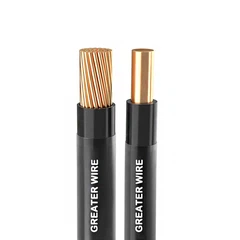
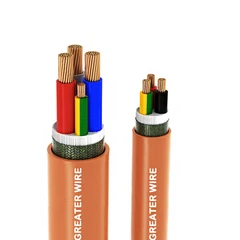
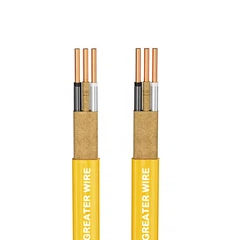
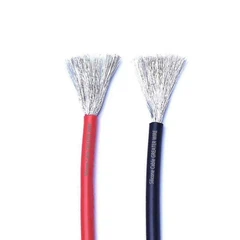
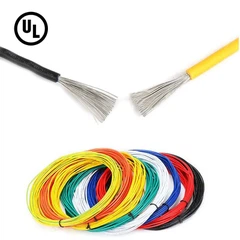
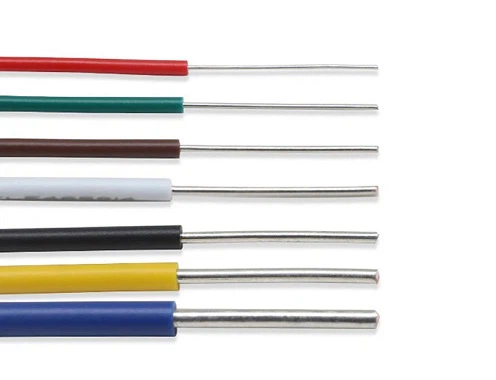
At its core, a Silicone Rubber Cable is an electrical cable insulated with high-grade silicone rubber material. Unlike standard PVC-insulated wires, silicone rubber offers exceptional thermal resistance, typically ranging from -60°C to +180°C, and in certain cases, even higher for short periods. This makes it a natural choice for harsh environments where traditional insulation would quickly degrade.
For example, in steel plants, these cables can safely operate near furnaces where ambient temperatures are extreme. In automotive or aerospace applications, where machinery faces rapid temperature fluctuations, silicone rubber ensures flexibility and electrical stability without cracking or hardening.
Silicone rubber also provides excellent dielectric strength and resists ozone, UV light, and weathering. This makes the cable equally effective in outdoor installations, renewable energy projects, and coastal environments where salt corrosion is a major concern. In other words, Silicone Rubber Cable is not just another wire-it is a specialized solution designed for reliability under stress.
What Are UL and IEC Standards, and Why Are They Important?
When selecting electrical cables, one of the most important considerations is whether they meet recognized international standards. Two of the most respected are UL (Underwriters Laboratories) and IEC (International Electrotechnical Commission).
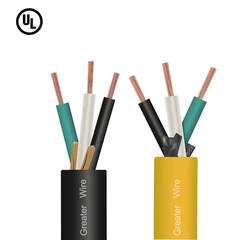
UL Standards: UL is a globally recognized safety certification body based in the United States. Cables that are UL-listed or UL-certified have undergone rigorous testing for fire resistance, electrical insulation, mechanical durability, and overall safety performance. A UL mark on a cable assures buyers that the product meets strict North American safety standards.
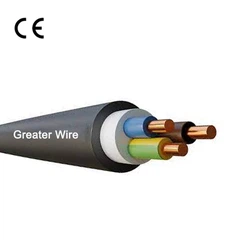
IEC Standards: The International Electrotechnical Commission creates standards that are widely adopted across Europe, Asia, and beyond. IEC standards ensure interoperability, safety, and performance across different regions, making them essential for projects with global specifications.
Together, UL and IEC certifications serve as a universal stamp of trust. They guarantee that a cable is not only safe but also performs consistently in diverse environments. For large-scale engineering projects, compliance with these standards is often mandatory to pass inspections and secure regulatory approval.
Do Silicone Rubber Cables Meet UL/IEC Standards?
The good news is that yes, Silicone Rubber Cables can and do meet UL and IEC standards when manufactured by trusted suppliers. Certified silicone rubber cables undergo extensive testing to ensure they meet or exceed requirements for heat resistance, dielectric performance, fire retardancy, and mechanical strength.
For example, cables tested under IEC 60332-1-2 must demonstrate flame retardancy, ensuring that in the event of a fire, the cable does not spread flames uncontrollably. UL-certified silicone cables might undergo rigorous heat aging tests, ensuring they remain flexible and safe after prolonged exposure to high temperatures.
In real-world terms, this means a UL/IEC-certified Silicone Rubber Cable can be used in demanding environments such as industrial automation systems, aerospace wiring, offshore oil rigs, or even within hospital equipment-all areas where failure is not an option.
How Certification Ensures Safety, Performance, and Reliability
Certification is not just a label; it is a process that guarantees quality. UL and IEC certifications demand comprehensive testing in multiple areas:
Electrical Safety: Verifies insulation integrity, dielectric strength, and current-carrying capacity.
Thermal Performance: Tests the ability of the cable to endure extreme temperatures without melting, cracking, or degrading.
Mechanical Durability: Ensures resistance to bending, vibration, and abrasion during use.
Fire Safety: Confirms that the cable is flame-retardant and will not contribute to the spread of fire.
Consider a scenario where a cable is used in a solar power installation in Australia. Temperatures can soar above 40°C outdoors, while the cables themselves may absorb even more heat under direct sunlight. A non-certified cable might degrade within months, leading to power loss or fire hazards. In contrast, a UL/IEC-certified silicone rubber cable is engineered to withstand such stress, delivering years of reliable service and minimizing maintenance costs.
Certification provides peace of mind to contractors, engineers, and end-users alike. It means the product has been independently verified, reducing risks and ensuring compliance with local regulations.
How to Choose the Right Cable for Your Project
Choosing between different types of cables is often challenging. For projects involving high temperatures, mechanical stress, or safety-critical environments, Silicone Rubber Cable is usually the superior choice. But not all silicone cables are created equal.
When making a decision, ask yourself:
Does the cable carry UL or IEC certification? If not, it may not meet international safety requirements.
What are the environmental conditions? For extreme heat, outdoor exposure, or chemical environments, silicone rubber is ideal.
What is the application scale? For industrial plants or critical systems, always prioritize certified cables over cheaper, uncertified alternatives.
The right cable is not just about initial cost-it's about long-term safety, performance, and compliance. By choosing a certified silicone rubber cable, you are investing in the longevity of your project and the safety of those who depend on it.
Why Choose Greater Wire?
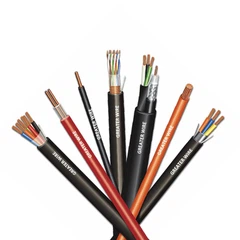
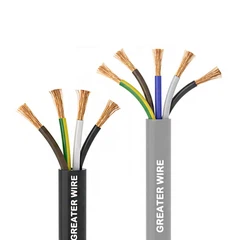
At Dongguan Greater Wire & Cable Co., Ltd., we specialize in producing cables that are not only high-performance but also fully compliant with international standards. Our Silicone Rubber Cables are manufactured with premium materials, tested to meet both UL and IEC requirements, and trusted in industries ranging from construction and manufacturing to energy and transportation.
With over 30 years of manufacturing experience, we have built a reputation for delivering products that combine durability, reliability, and safety. Our production lines are equipped with advanced testing systems to ensure every batch of cables meets strict international benchmarks.
In addition, Greater Wire offers customization services. Whether you need cables for residential projects, large-scale commercial installations, or specialized industrial machinery, we tailor our products to meet your exact specifications. Our global export network, spanning Oceania, North America, Europe, and Asia, means we can serve clients worldwide with efficiency and reliability.
What sets us apart is not only our commitment to quality but also our customer-first philosophy. We provide comprehensive technical support, transparent certification documentation, and fast delivery times, making us a trusted partner for engineers, distributors, and contractors around the globe.
So, do Silicone Rubber Cables meet UL/IEC standards? Absolutely-when sourced from certified, professional manufacturers. These standards ensure that cables can withstand the harshest conditions while maintaining safety, performance, and reliability. Choosing a UL/IEC-certified silicone rubber cable is not just a compliance requirement; it is a safeguard for your project, your equipment, and ultimately, human lives.
Whether you are working on an industrial plant, an aerospace project, or a renewable energy installation, investing in certified cables is a decision that pays off in peace of mind and long-term performance. And with Greater Wire, you gain a partner that combines world-class manufacturing expertise, global certifications, and a dedication to meeting your unique needs.
📞 Dongguan Greater Wire & Cable Co., Ltd.
Tel/WhatsApp/Wechat: +86 135 1078 4550 / +86 136 6257 9592
📧 Email: manager01@greaterwire.com