


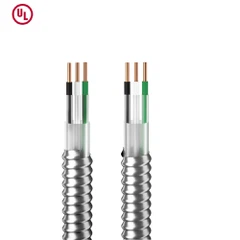
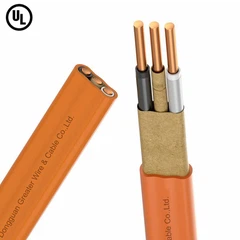
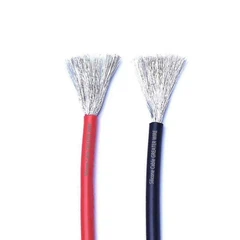
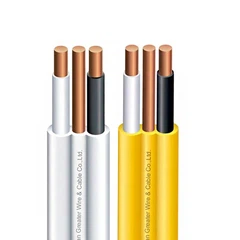

In the contemporary electronics and communication landscape, cable performance dictates reliability, safety, and longevity. Among insulation materials, FEP (Fluorinated Ethylene Propylene) stands out as the go-to solution for high-performance applications-thanks to its unmatched thermal stability, chemical resistance, electrical properties, and processability.
This comprehensive article explores:
Key product categories utilizing FEP
Core technical characteristics of FEP insulation
Distinct advantages over other materials
Real-world commercial and communication applications
Let's delve in.
FEP Cable Product Categories
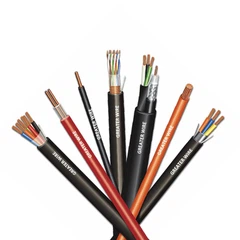
FEP finds application across a diverse range of cable types commonly used in commercial electronics and communications:
Data & LAN Cables: Commonly used as insulation in plenum-rated CAT5e, CAT6, and high-frequency data cables-especially where fire safety and low smoke are crucial.
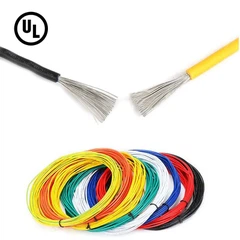
Hook-Up & Interconnect Wires: Small-gauge wiring inside electronic devices, sensors, and control panels benefiting from FEP's thermal and dielectric performance.
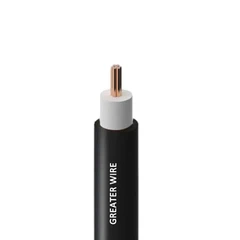
Coaxial & RF Cables: FEP provides low-loss insulation ideal for high-frequency signal transmission in coaxial cables.
Medical & Lab Equipment Wiring: Utilized in sterilizable, chemical-resistant wiring for medical devices and laboratory instruments.
Industrial Sensor & High-Temperature Wiring: Used in environments like boiler plants, glass manufacturing, and chemical facilities.
Core Technical Strengths of FEP Insulation
Thermal Stability
Operating temperature range: from –200°C to +200 °C, with short-term tolerance up to +260 °C. Cable supplierwrlong.com
Melting point: approximately 260 °C.
Electrical Excellence
Dielectric constant: ~2.1 at 1 MHz, enabling low signal loss.
Dissipation factor: extremely low, leading to efficient high-frequency transmission.
Chemical & Environmental Resilience
Chemically inert and robust against acids, alkalis, solvents, and ozone.
UV-resistant and virtually unaffected by weathering.
Mechanical & Handling Benefits
Low friction coefficient improves wear resistance and handling.
High flexibility and resilience make routing and cable assembly easier.
Fire Safety
Often used in plenum-rated cables due to high flame resistance and low smoke production.
Non-stick Surface
Smooth and non-adhesive, easing manufacturing and installation.

Advantages of FEP Over Other Insulation Types
| Feature | FEP | PVC / Standard Plastics |
|---|---|---|
| Max Operating Temp | Up to +200 °C (short bursts 260 °C) | Typically < +90 °C |
| Chemical Resistance | Excellent, inert | Moderate to poor |
| Dielectric Constant | Low (~2.1) | Higher, more signal loss |
| Fire & Smoke Performance | Superior (plenum-suited) | Poorer, often toxic when burned |
| UV / Weather Resistance | Excellent | Poor |
| Flexibility & Durability | High, abrasion-resistant | Lower and stiffer |
| Processability | Melt-extrudable, precise | Good, but performance lower |
Real-World Applications Across Industries
Telecommunications & Data Infrastructure
FEP-insulated plenum cables are widely used in offices and data centers for Ethernet backbone and high-speed networking, trusted for both performance and fire safety.
Medical & Laboratory Environments
FEP wiring withstands high-temperature sterilization and exposure to chemicals, ensuring long-term reliability in sensitive medical equipment.
Aerospace & Industrial Automation
Used in cockpit electronics, avionics, and sensor wiring that require stability under high vibration, temperature fluctuations, and environmental stressors.
High-Temperature Industrial Settings
FEP excels in demanding environments like glass plants, chemical reactors, and near steam lines, where ordinary insulation fails.
Why FEP Is the First Choice for Commercial & Communication Cables
Uptime & Reliability: Maintains structural and electrical integrity in extreme conditions.
Fire Safety Compliance: Best-suited for plenum-rated installations, meeting stringent flame and smoke standards.
Signal Integrity: Superior dielectric properties support high-frequency signal transmission.
Longevity: Resistance to abrasion, UV, and chemical degradation ensures longer cable life.
Flexibility in design: Supports miniaturized, high-density cable assemblies due to its fine extrusion capability.
For anyone specifying insulation for commercial electronics, data communications, and high-performance wiring, FEP offers unmatched benefits that make it the preferred material in critical applications. Whether it's ensuring fire safety in plenum spaces, preserving signal quality in data networks, or enduring harsh industrial environments, FEP delivers excellence where it matters.
If you'd like, I can also prepare a tailored version of this article for your marketing collateral-highlighting your product range, technical specs, and case studies featuring FEP cables in action.