



What Are SAA Power Cables?
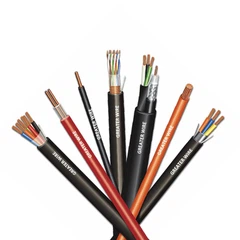
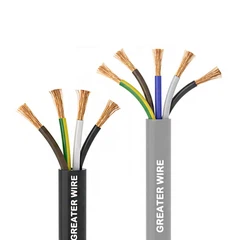
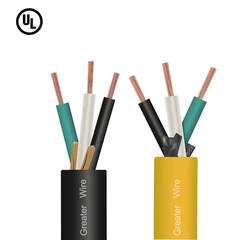
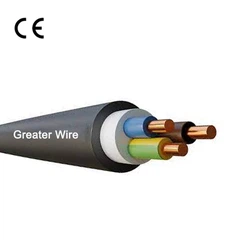
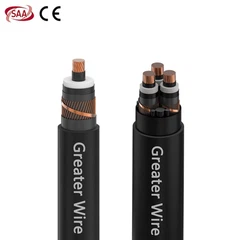
SAA stands for Standards Association of Australia, a governing body that develops and publishes technical standards for products and services in Australia. SAA power cables are cables that comply with the rigorous standards set by the SAA, ensuring safety and reliability in both domestic and industrial settings. The primary distinguishing feature of SAA cables is their adherence to the Australian Electrical Safety Standards, which guarantee they are safe to use in environments requiring high-quality, durable, and efficient power transmission systems.
SAA power cables are commonly used in residential, commercial, and industrial wiring applications. These cables can transmit power to electrical equipment, machinery, and other devices safely and efficiently.

 Key Features of SAA Power Cables
Several features distinguish SAA power cables from other types of cables, contributing to their popularity in diverse industries:
a) Compliance with Australian Standards
SAA power cables are certified by the Standards Association of Australia, which means they are specifically designed to meet Australian safety standards. These cables are built to handle the unique requirements of Australian electrical systems, including higher voltages, extreme weather conditions, and specific electrical load demands.
b) Insulation and Sheathing
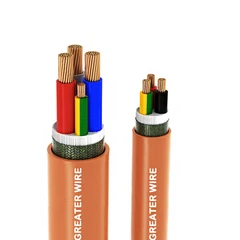
SAA power cables typically feature high-quality insulation and sheathing materials. Common insulation materials used in SAA cables include XLPE (cross-linked polyethylene), PVC (polyvinyl chloride), and EPR (ethylene propylene rubber). For example, the SAA XLPE 16mm orange circular cable is made with XLPE insulation, which offers several advantages:
Thermal Resistance: XLPE can withstand higher temperatures, typically up to 90°C, making it suitable for environments with high thermal stress.
Chemical Resistance: XLPE-insulated cables are resistant to oils, chemicals, and other hazardous substances that could damage or degrade the cable over time.
Durability: XLPE has excellent mechanical properties, providing the cables with greater flexibility and resilience against abrasion.
Additionally, the outer sheath of SAA cables is often made from materials that are resistant to weathering, UV radiation, and physical damage, ensuring the cable maintains its integrity in outdoor or harsh environments.
c) Voltage Rating
SAA power cables are designed to carry a specific voltage range, depending on the application. The voltage ratings of these cables are determined based on the specific needs of the installation, ensuring they meet both safety and performance requirements.
For instance, the SAA XLPE 16mm orange circular cable typically has a voltage rating of 600/1000V, which is suitable for a wide range of power transmission applications in both residential and commercial settings.
d) Fire Resistance
Many SAA-certified power cables are designed with fire-resistant materials, which help reduce the risk of fire in case of faults or accidents. The XLPE insulation used in cables like the SAA XLPE 16mm orange circular cable has inherent fire-resistant properties, ensuring that the cable will not contribute to the spread of fire in the event of an electrical malfunction.
e) Environmental Resistance
SAA power cables are engineered to withstand the harsh environmental conditions often encountered in Australia, such as extreme heat, humidity, and exposure to corrosive agents. The cables are designed with robust sheathing that protects against mechanical damage and offers long-term durability.

 SAA XLPE 16mm Orange Circular Cable: A Closer Look
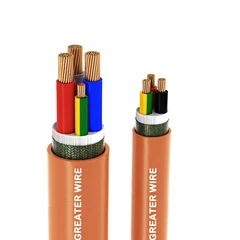
The SAA XLPE 16mm orange circular cable is a prime example of SAA-certified cables designed for residential and commercial use. Let's explore the key characteristics of this specific type of cable:
a) 16mm Cable Diameter
The 16mm diameter of the SAA XLPE cable signifies the cross-sectional area of the cable's copper conductors. This size is ideal for medium to heavy-duty applications, where the cable needs to carry substantial electrical loads. Cables with larger diameters, such as this one, are capable of transmitting higher currents without excessive voltage drops, ensuring reliable power delivery to electrical devices and machinery.
b) Orange Sheathing
The orange color of the cable sheath is more than just a visual distinction. Orange is a widely recognized color for identifying cables used in specific types of electrical applications, such as safety systems, power distribution, and electrical control systems. The color also provides additional visibility for identifying cables in complex wiring installations, enhancing safety during maintenance and troubleshooting.
c) Cross-Linked Polyethylene (XLPE) Insulation
As previously mentioned, the SAA XLPE 16mm orange circular cable utilizes XLPE as the primary insulation material. This provides several key advantages:
Enhanced Mechanical Strength: XLPE cables are more durable than PVC cables and can withstand greater mechanical stresses, which is particularly important in industrial applications.
Superior Electrical Performance: XLPE provides lower dielectric losses, improving the efficiency of power transmission.
Longer Lifespan: XLPE cables have a longer service life compared to other cables, reducing the need for frequent replacements.
d) Compliance with SAA Standards
The SAA certification ensures that this cable meets the highest standards for safety and performance in Australia. This includes compliance with Australian wiring regulations, ensuring the SAA XLPE 16mm orange circular cable is safe for use in electrical systems and installations.

 SAA Power Cables vs. Other Power Cables
While SAA power cables offer many benefits, it's important to understand how they compare with other power cables in the market. Here are some comparisons:
a) SAA vs. PVC Power Cables
PVC cables are one of the most common types of power cables used worldwide. While they are cost-effective and widely available, they do not offer the same level of temperature and chemical resistance as XLPE cables. SAA XLPE 16mm orange circular cables, for example, outperform PVC cables in applications requiring higher temperatures or exposure to chemicals and other harsh environmental factors. XLPE cables also have better insulation properties, contributing to improved electrical performance.
b) SAA vs. NYM Cables
NYM cables, commonly used in Europe, are typically designed for fixed indoor installations. They have a robust construction but are usually not suitable for outdoor or industrial applications without additional protection. On the other hand, SAA-certified cables are designed to withstand a broader range of environmental conditions, making them suitable for both indoor and outdoor installations. Additionally, SAA cables meet the specific requirements of Australian electrical systems, whereas NYM cables are built to meet European standards.
c) SAA vs. H07RN-F Cables
H07RN-F cables are heavy-duty rubber cables widely used in industrial and outdoor environments. While both H07RN-F cables and SAA cables offer excellent durability and flexibility, SAA power cables are generally more suited for Australian electrical systems due to their compliance with local safety standards. Additionally, SAA cables tend to offer more advanced insulation materials like XLPE, which provide superior resistance to high temperatures and chemicals.

Dongguan Greater Wire & Cable Co., Ltd. is committed to the research and development and manufacture of high-quality Australian SAA certified wires. The products have excellent heat resistance and waterproof properties, ensuring excellent performance in various complex environments.