

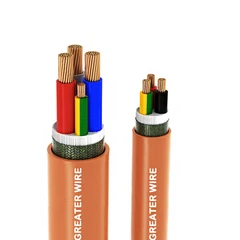
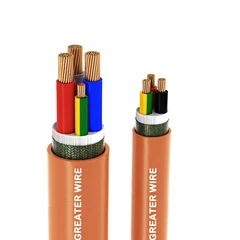

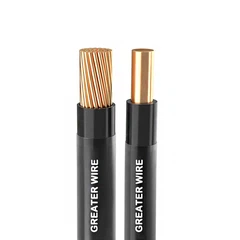
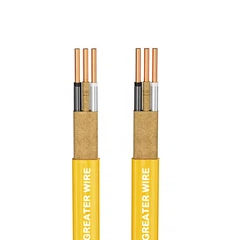
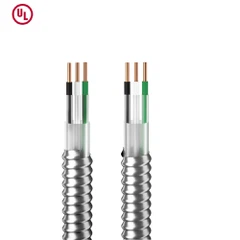
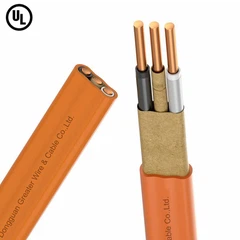
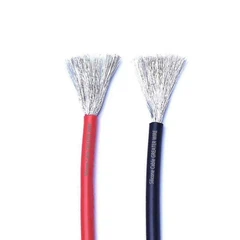
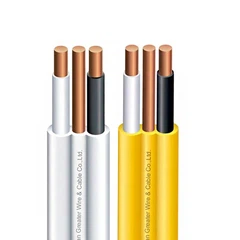
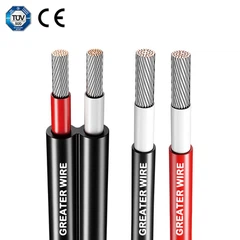

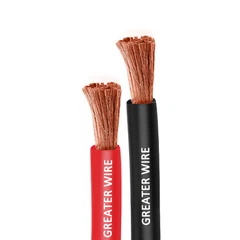
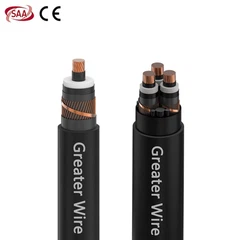
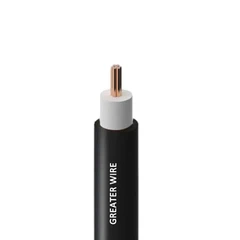
TPS cable (Thermoplastic Sheathed Cable) is widely used in electrical wiring in Australia and around the world, especially in home, commercial and industrial electrical systems. Among them, Twin Active TPS cable is a type of cable with two-core conductors. Its unique design makes it more flexible and adaptable in many applications, especially where two electrical signals or circuits are required. This article will introduce in detail the working principle, characteristics, application scenarios of Twin Active TPS cable and comparison with other common cables such as 1.5 mm TPS cable, 2.5 mm TPS cable, 2.5 mm 2C E TPS cable.


1. What is TPS cable?
TPS cable (Thermoplastic Sheathed Cable) is a type of cable with an outer sheath made of thermoplastic material (such as polyvinyl chloride or PVC), which has good flexibility, durability and protection. Due to its resistance to abrasion, moisture and chemical corrosion, TPS cable is widely used in various electrical systems. TPS cables can have single-core or dual-core designs, depending on the design and purpose of the cable. Twin Active TPS cables are cables with two live conductors, suitable for electrical systems that require dual circuits or dual signal transmission.

2. How Twin Active TPS cables work
The "Twin Active" name of Twin Active TPS cables refers to the fact that there are two live conductors inside the cable, which can be connected to two different electrical loads or circuits. Each conductor can independently transmit current, which is suitable for occasions that require dual control or dual power supply. For example, in a home lighting circuit, two switches may be needed to control the same lamp separately. In this case, Twin Active TPS cables can be used to connect to two switches and lamps through two wires.
2.1 Structural design
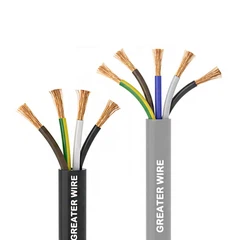
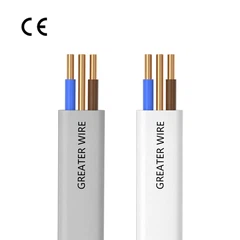
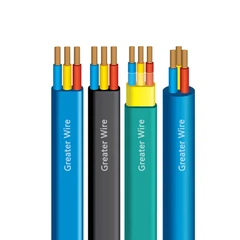
Dual conductor design: Twin Active TPS cables have two conductors (cores), which are usually made of copper or aluminum to ensure smooth current transmission.
Sheath: The outer sheath of the cable is made of thermoplastic materials, such as PVC, which has good heat resistance, abrasion resistance and corrosion resistance, and can effectively protect the wires inside the cable from the influence of the external environment.
Wire insulation: Each wire has an insulation layer, usually PVC or similar material, to ensure that the current does not leak to the outside.
2.2 Current transmission
When used, Twin Active TPS cables are able to transmit two independent currents at the same time, usually these two currents can control different electrical loads or devices separately. This cable design is very useful in some specific applications, especially when dual circuits or dual switch control is required.

3. Features of Twin Active TPS Cables
Twin Active TPS cables have significant features in many aspects, making them very popular in specific applications. The following are its main features:
3.1 Dual Circuit Transmission
Due to the two live wires, Twin Active TPS cables are able to transmit current for two circuits at the same time. Usually, the two wires are connected to different electrical devices or switches, making it possible to transmit different signals or power within the same cable. For example, in a home electrical system, two switches can be connected to the same appliance, such as a lamp or fan, through a Twin Active TPS cable.
3.2 Adaptability
The dual-conductor design of this cable makes it highly adaptable in a variety of electrical wiring applications, especially those electrical environments that require dual control or multi-circuit control. For example, Twin Active TPS cables can be widely used in applications that require dual power or dual signals, such as dual-control switches for lamps, independently controlled power supplies, etc.
3.3 Safety
The design of Twin Active TPS cables complies with Australian electrical standards and has high safety. The outer sheath and insulation layer of the cable can effectively prevent hazards such as current leakage, short circuit or fire, especially in humid or corrosive environments, the protection effect is particularly important.
3.4 Durability
The outer sheath of the cable is made of thermoplastic material, which can effectively resist wear, tear and chemical corrosion. This makes Twin Active TPS cables very suitable for long-term use and can maintain a long service life even in harsh environments.

4. Applicable occasions for Twin Active TPS cables
Due to its unique dual-conductor design, Twin Active TPS cables are suitable for electrical wiring applications that require dual circuits or dual control. Here are some typical applications:
4.1 Dual-switch circuits
In homes and commercial buildings, it is often necessary to control the same appliance, such as a lamp or fan, through two different switches. Twin Active TPS cables are ideal for this application, as they connect two switches to lamps or other electrical devices, ensuring that the device can be switched on and off from two locations.
4.2 Multi-circuit systems
In some electrical systems, it may be necessary to transmit multiple circuit signals or power through the same cable. For example, in a kitchen or bathroom, different electrical devices and sockets can be connected through Twin Active TPS cables to achieve independent control of multiple appliances.
4.3 Lighting circuits
In some complex lighting systems, especially those that require different lighting controls, Twin Active TPS cables can be used to connect different lighting devices to different control switches. For example, a lighting system for a duplex floor may require two switches to control the lamps on the upper and lower floors respectively.
4.4 Electrical control systems
In industrial or commercial environments, Twin Active TPS cables can be used in some electrical control systems, such as automation equipment, sensors, switch control, and other fields. Its dual-conductor design is able to transmit two different signals or power at the same time, providing more flexible control options.
4.5 Home and Commercial Electrical Wiring
Due to its flexibility and adaptability, Twin Active TPS cables are also widely used in various home and commercial electrical wiring, especially in environments where dual control or multi-circuit control is required, such as offices, shops, restaurants and other places.

5. Comparison between 1.5 mm TPS cable and 2.5 mm TPS cable
1.5 mm TPS cable and 2.5 mm TPS cable are two common single-core cable specifications that are widely used in home and commercial electrical wiring. The design of Twin Active TPS cable is different from these specifications, but there are some similarities and differences between them.
5.1 Current carrying capacity
1.5 mm TPS cable: suitable for electrical equipment with smaller loads, the carrying current is usually between 10 and 13 amps.
2.5 mm TPS cable: suitable for electrical equipment with higher power, the carrying current is usually between 16 and 20 amps.
Twin Active TPS cable: Its current carrying capacity is generally similar to that of 2.5 mm TPS cable, capable of supporting 16 amps to 20 amps, but due to its dual-conductor design, it can transmit power for two circuits at the same time.
5.2 Applicable occasions
1.5 mm TPS cable: Suitable for low-power devices such as home lighting, small appliances, etc.
2.5 mm TPS cable: Suitable for medium and high-power devices such as air conditioners, electric water heaters, etc.
Twin Active TPS cable: Suitable for dual-control switch circuits, multi-circuit systems, and occasions where two signals or power are required.
5.3 Safety
Although both 1.5 mm TPS cable and 2.5 mm TPS cable meet Australian electrical safety standards, Twin Active TPS cable has higher flexibility and safety in dual-control or multi-circuit applications due to its dual-conductor design. Its insulation layer effectively prevents current leakage and can ensure independent transmission of multiple circuits.