

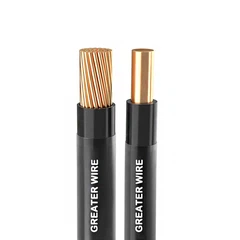

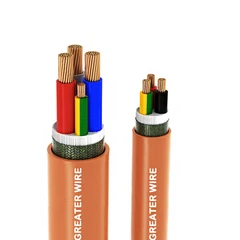
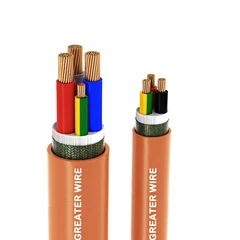
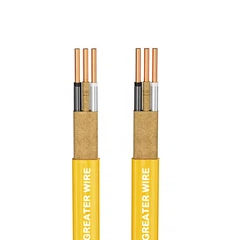
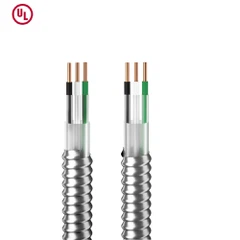
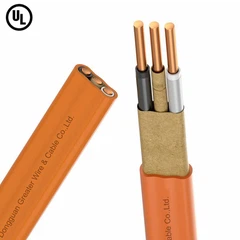
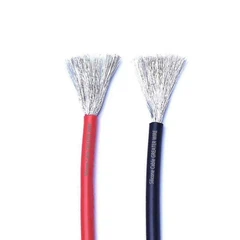
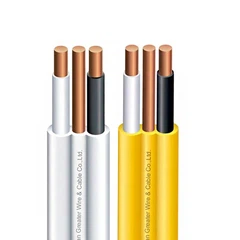
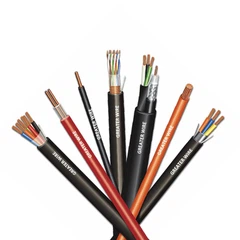
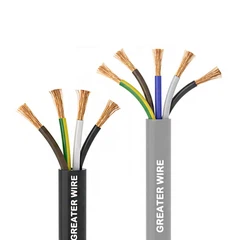
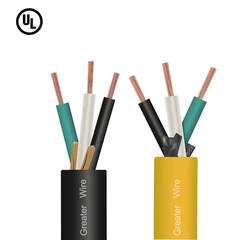
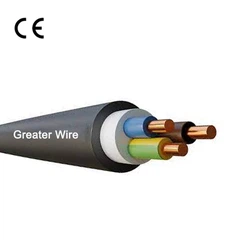
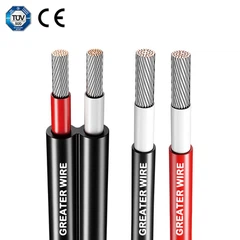

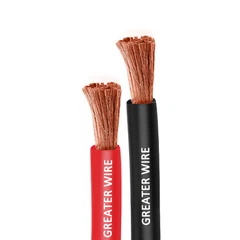
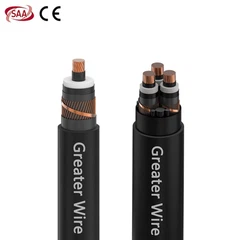
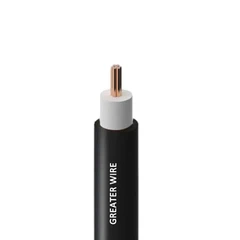
The outer sheath of a flexible cable plays a critical role in determining its mechanical durability, environmental resistance, safety performance, and service life. While conductors and insulation ensure electrical functionality, the sheath acts as the primary barrier against mechanical stress, chemical exposure, environmental aging, and external hazards.
Selecting an inappropriate sheath material often leads to premature failure, increased maintenance costs, and safety risks.

Key Functions of a Flexible Cable Sheath
Before selecting a sheath material, it is important to understand its primary functions:
Mechanical protection against abrasion, impact, and crushing
Resistance to oils, chemicals, and industrial fluids
Protection from environmental factors such as UV radiation and moisture
Fire performance, including flame retardancy and smoke behavior
Contribution to overall flexibility and dynamic performance
Different application scenarios impose different priorities on these functions.

Common Flexible Cable Sheath Materials and Their Characteristics
PVC (Polyvinyl Chloride)
Key characteristics:
Cost-effective and widely available
Good abrasion resistance
Moderate flexibility
Flame-retardant formulations available
Limitations:
Limited oil and chemical resistance
Reduced flexibility at low temperatures
PVC is commonly used in general-purpose flexible cable applications with moderate mechanical demands.
TPE (Thermoplastic Elastomer)
Key characteristics:
Excellent flexibility
Good low-temperature performance
Halogen-free and low smoke options
Limitations:
Moderate oil and chemical resistance
Higher cost compared to PVC
TPE sheaths are suitable for flexible cables requiring frequent movement and compliance with environmental regulations.
TPU (Thermoplastic Polyurethane)
Key characteristics:
Outstanding abrasion resistance
Excellent oil and chemical resistance
High tensile strength
Limitations:
Higher material cost
Slightly reduced flame performance unless specially formulated
TPU is widely used in harsh industrial environments and dynamic applications.
Elastomer (Rubber-Based Compounds)
Key characteristics:
Superior flexibility
Excellent vibration and fatigue resistance
Good performance over a wide temperature range
Limitations:
Higher weight
Higher cost
Elastomer sheaths are ideal for heavy-duty flexible cable applications.

Application Scenario–Based Selection Guidelines
Dynamic Motion and Continuous Flexing
Key requirements:
High flexibility
Fatigue resistance
Low stiffness
Recommended sheath materials:
TPE
Elastomer
Typical applications:
Robotics
Drag chain systems
Automated production lines
Industrial Environments with Oil and Chemicals
Key requirements:
Oil resistance
Chemical corrosion resistance
Recommended sheath materials:
TPU
Special oil-resistant PVC
Typical applications:
CNC machines
Manufacturing plants
Automotive production lines
Outdoor and UV-Exposed Installations
Key requirements:
UV resistance
Weather resistance
Moisture protection
Recommended sheath materials:
UV-stabilized TPE
UV-resistant TPU
Typical applications:
Outdoor machinery
Construction sites
Renewable energy systems
Fire-Sensitive and Public Areas
Key requirements:
Flame retardancy
Low smoke and toxicity
Recommended sheath materials:
LSZH TPE
Halogen-free elastomers
Typical applications:
Public buildings
Tunnels
Transportation systems
Low-Temperature Environments
Key requirements:
Cold flexibility
Crack resistance
Recommended sheath materials:
TPE
Elastomer
Typical applications:
Cold storage facilities
Outdoor equipment in cold climates
Regional and Regulatory Considerations
Europe
Strong emphasis on LSZH and CPR fire classifications
Preference for halogen-free flexible cable designs
North America
UL and CSA standards focus on flame spread and installation location
Australia and New Zealand
Fire hazard index and UV resistance are critical
Asia-Pacific
Mixed use of IEC and local standards depending on project type

How Should Choose the Right Flexible Cable Sheath?
When selecting a flexible cable, customers should evaluate:
Mechanical stress level (static, dynamic, vibration)
Environmental exposure (oil, chemicals, UV, moisture)
Temperature range
Fire safety requirements
Regional compliance standards
A balanced approach ensures optimal performance without unnecessary cost.


Selecting the appropriate sheath material is a critical step in ensuring the long-term reliability of a flexible cable. No single material is suitable for all applications; instead, the correct choice depends on mechanical, environmental, and regulatory conditions.
Applicable Regions
Europe
North America
Australia & New Zealand
Asia-Pacific
Please select the flexible cable sheath material based on actual operating conditions, regulatory requirements, and expected service life.
At Dongguan Greater Wire & Cable Co., Ltd., we understand that choosing the right wire and cable solutions is critical to the success and safety of your projects.
Our experienced pre-sales and after-sales teams provide:
Professional technical consultation
Accurate product selection and application guidance
Fast and responsive support throughout the entire project lifecycle
Whether you are working on small-scale installations or large industrial projects, we are committed to delivering reliable solutions and practical support tailored to your specific requirements.
Contact Us
Dongguan Greater Wire & Cable Co., Ltd.
📞 Tel / WhatsApp / WeChat
+86 135 1078 4550
+86 136 6257 9592
📧 Email
manager01@greaterwire.com
We look forward to supporting your next project with quality products, technical expertise, and dependable service.