


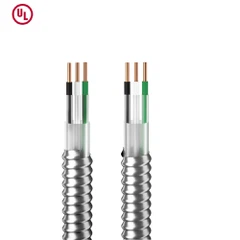
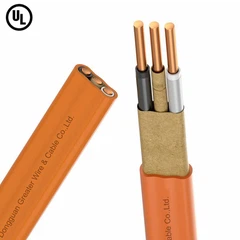
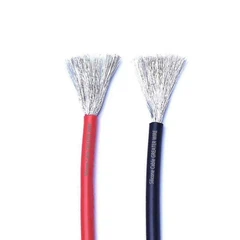
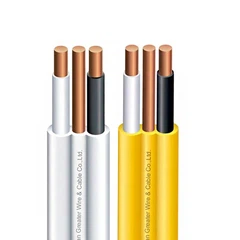

In the world of solar energy, one of the key components that ensures a smooth and efficient operation of a photovoltaic (PV) system is the solar cable that connects solar panels to the inverter and other system components. As solar energy systems are often installed in outdoor environments, where cables are exposed to sunlight, weather, and other environmental factors, choosing the right solar wire is crucial. This includes ensuring that the solar cable is UV-resistant and can withstand the harsh outdoor conditions.
One such popular cable used in photovoltaic applications is the PV1-F cable. Known for its robustness and flexibility, the PV1-F cable is often used for solar panel wiring and solar energy system installations. However, as with any solar cable, it is important to assess whether PV1-F cables meet the required standards for UV resistance and outdoor durability. In this article, we will delve into the UV resistance and suitability of the PV1-F cable for outdoor use, exploring the factors that make it ideal for solar installations in various environments.

1. What is PV1-F Cable?
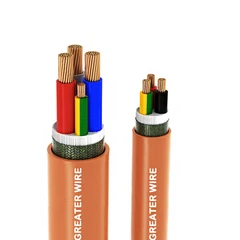
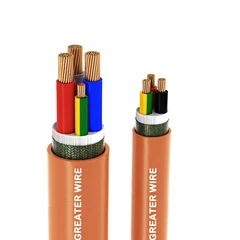
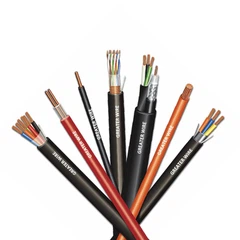
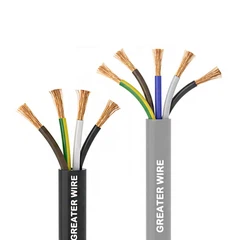
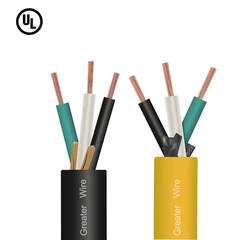
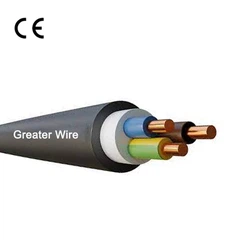
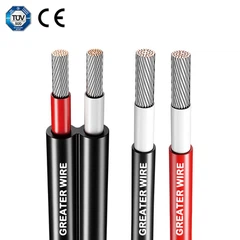
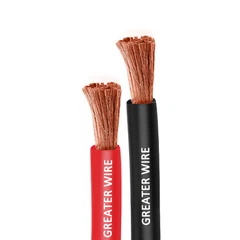
PV1-F cables are specifically designed for use in photovoltaic systems and are commonly used to connect solar panels to inverters or other system components. The construction of PV1-F cables typically includes a copper conductor (usually tinned copper for corrosion resistance), a cross-linked polyethylene (XLPE) insulation layer, and an outer sheath made of PVC or LSZH (low smoke zero halogen) materials. These cables are designed to meet various international standards, ensuring they are safe, reliable, and efficient for use in solar power installations.
The PV1-F cable is specifically designed to handle the high electrical demands of solar systems, including the capacity to carry large currents generated by solar panels. These cables are flexible and lightweight, making them easy to install in both residential and commercial solar installations.

2. UV Resistance in Solar Cables: An Essential Feature
One of the most important characteristics of cables used in solar power systems is their ability to withstand ultraviolet (UV) radiation. UV radiation is a component of sunlight that can degrade the materials in solar cables over time, leading to failure of the insulation and sheath materials. As solar panels are typically installed in outdoor environments, where they are exposed to direct sunlight for extended periods, the UV resistance of the cables is critical to ensure long-term durability.
UV resistance in solar cables refers to the ability of the cable materials-especially the insulation and sheath-to withstand the damaging effects of UV radiation without breaking down, cracking, or losing their effectiveness. If a solar wire is not UV-resistant, it can lead to insulation degradation, electrical faults, or even fire hazards.
2.1 How UV Resistance Works
The UV resistance of solar cables is generally determined by the material used for the insulation and outer sheath. Materials like XLPE (cross-linked polyethylene) and LSZH (low smoke zero halogen) are particularly known for their ability to resist UV degradation. These materials are treated or formulated in such a way that they do not break down easily when exposed to the sun's ultraviolet rays, maintaining their insulating properties and preventing the cable from becoming brittle or cracking.
When solar cables are exposed to UV radiation, the bonds between the molecules of the material can be weakened, leading to material degradation. This process is known as photodegradation. UV-resistant materials used in cables are specially formulated to absorb or reflect UV radiation, minimizing the effects of exposure and maintaining the integrity of the cable over time.

3. Is PV1-F Cable UV-Resistant?
PV1-F cables are designed with UV resistance as a key feature, making them suitable for outdoor installations such as rooftop solar systems and solar farms. The outer sheath of PV1-F cables is typically made from PVC (Polyvinyl Chloride) or LSZH (Low Smoke Zero Halogen), both of which offer UV protection.
3.1 PVC and UV Resistance
PVC, one of the most commonly used materials for cable sheaths, is inherently UV-resistant. When used in solar cables, PVC is specially treated to ensure it can withstand long-term exposure to sunlight without breaking down or losing its effectiveness. PV1-F cables made with PVC sheaths are therefore highly resistant to UV radiation, making them suitable for outdoor environments.
3.2 LSZH and UV Resistance
Another option for solar cables is LSZH (Low Smoke Zero Halogen), a material used in some PV1-F cables. LSZH is highly resistant to both UV radiation and extreme environmental conditions. It is particularly beneficial for installations where safety is a concern, as it releases minimal smoke and no toxic gases in the event of a fire. Like PVC, LSZH provides strong UV resistance, ensuring the cable can remain reliable and intact over time.

4. Suitability of PV1-F Cable for Outdoor Use
Given that PV1-F cables are UV-resistant, they are highly suitable for outdoor use. These cables are designed to withstand the environmental stresses that come with being exposed to sunlight, temperature variations, and other harsh conditions commonly found in outdoor solar installations.
4.1 Environmental Resistance
In addition to UV resistance, PV1-F cables are also designed to resist other environmental factors such as extreme temperatures (both hot and cold), moisture, and abrasion. This makes them ideal for use in a variety of locations, including solar farms, commercial rooftop installations, and residential solar panel systems.
Temperature Range: PV1-F cables typically have an operating temperature range from -40°C to +90°C, ensuring they can function in a wide range of climates, from very cold to very hot environments.
Water Resistance: The cables are designed to be resistant to water ingress, ensuring they maintain their electrical integrity even in wet conditions.
Mechanical Durability: The outer sheath material used in PV1-F cables is abrasion-resistant, allowing the cables to withstand physical wear and tear during installation or under mechanical stress.
4.2 Long-Term Durability
The UV-resistant properties of PV1-F cables ensure they can maintain their effectiveness over long periods, even when subjected to constant sunlight. The cross-linked polyethylene (XLPE) insulation material used in PV1-F cables is designed to maintain its insulating properties despite exposure to sunlight and high temperatures. This ensures a long service life for solar wire used in outdoor environments, making them a durable and reliable choice for solar panel wiring.

5. Why UV Resistance is Critical for Solar Cable Performance
For solar cables like PV1-F, UV resistance is essential for several reasons:
Preventing Insulation Degradation: UV radiation can cause the insulation of the cable to break down over time, which can lead to electrical faults, shorts, or even fire hazards. PV1-F cables' UV resistance ensures that the insulation remains intact and effective.
Maintaining Safety: UV-resistant cables help reduce the risks associated with cable damage due to sunlight exposure, ensuring the safety of the entire solar energy system.
Extending Cable Lifespan: UV-resistant cables last longer and require less maintenance, providing long-term reliability and cost savings over the life of the system.
Enhancing System Efficiency: Cables that can withstand UV radiation maintain their conductivity and reliability, which is essential for the efficient operation of a solar power system.

6. Testing and Standards for UV Resistance
To ensure the UV resistance of PV1-F cables, manufacturers typically adhere to international standards that test the cable's ability to withstand UV exposure. Common tests include:
ISO 4892-2: This standard tests the UV resistance of plastics, simulating long-term UV exposure.
IEC 60216: This standard assesses the thermal and UV stability of materials used in cables.
EN 50525-3-41: As previously mentioned, this standard provides specifications for solar cables, including UV resistance and other environmental performance characteristics.
By meeting these standards, PV1-F cables ensure they are suitable for long-term outdoor use in solar installations.