

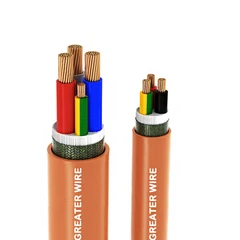
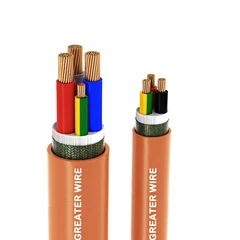


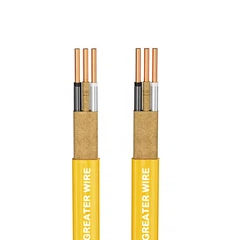
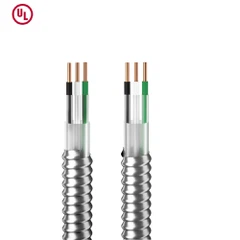
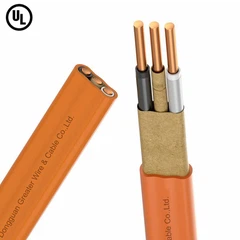
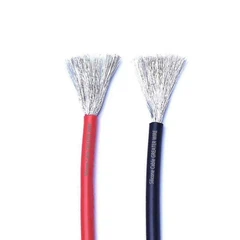
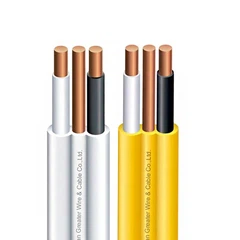
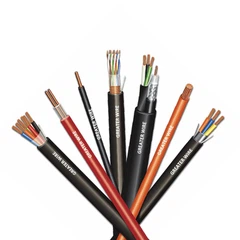
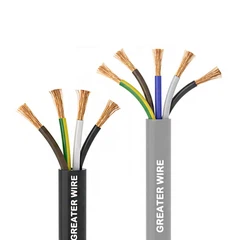
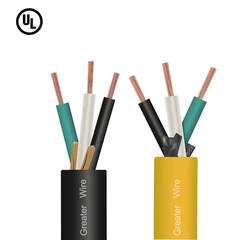
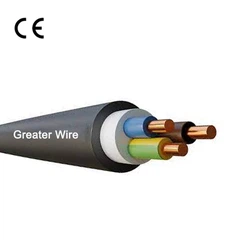
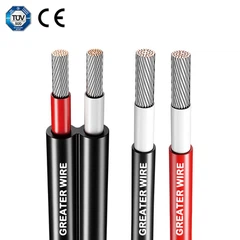

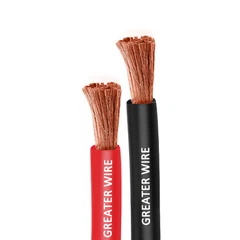
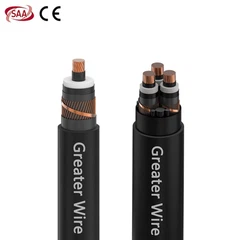
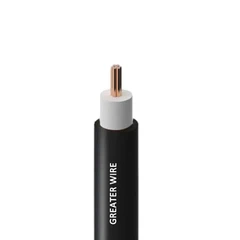
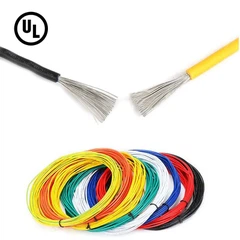
In the world of electrical wiring, the materials used for insulation play a vital role in ensuring the safety and efficiency of electrical systems. Among the many insulation options available, silicone cable is increasingly favored for its exceptional properties, particularly in demanding applications. Silicone-insulated cables, or silicone cables, are widely used in industries ranging from automotive to medical equipment due to their outstanding performance characteristics.

1. What is Silicone Cable?
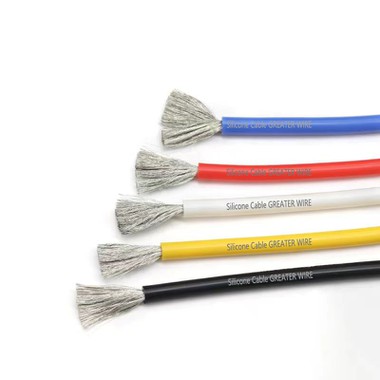
Silicone cables consist of electrical conductors (usually copper or aluminum) insulated with silicone rubber, a synthetic elastomer that exhibits unique properties. Unlike traditional insulation materials such as PVC or polyethylene, silicone rubber is notable for its flexibility, high temperature tolerance, and chemical resistance. These characteristics make silicone cables particularly well-suited for use in environments where extreme conditions are prevalent.
The insulation material in silicone cables provides several key benefits, including:
High temperature resistance: Silicone rubber can withstand temperatures ranging from -50°C to +200°C (and sometimes higher), making it suitable for high-heat applications.
Flexibility: Silicone cables retain their flexibility even at low temperatures, allowing them to bend and twist without cracking or breaking.
Chemical and environmental resistance: Silicone offers excellent resistance to oils, solvents, ozone, UV radiation, and moisture, which enhances the durability of the cables in harsh environments.

2. Why is Silicone Cable Considered Safe for Electrical Wires?
The safety of electrical wires is determined by several factors, including their ability to insulate the conductor, withstand electrical loads, resist degradation, and protect against environmental hazards. Silicone cables excel in these areas, making them a safe and reliable choice in many applications.
2.1 High Dielectric Strength
The dielectric strength of a material refers to its ability to insulate against electrical breakdown under stress. Silicone rubber has excellent dielectric properties, meaning it can effectively prevent electrical shorts or fires caused by high-voltage exposure. Silicone's high dielectric strength ensures that the electrical current remains confined within the conductor, even under extreme conditions.
Unlike PVC, which can break down under high temperatures or UV exposure, silicone retains its insulating properties over a wide range of temperatures and environmental factors. This makes silicone cables ideal for applications in industries such as automotive, aviation, medical devices, and high-voltage equipment, where maintaining electrical safety is paramount.
2.2 Resistance to Fire and Heat
One of the primary reasons for considering silicone cable safe for electrical wires is its fire-resistant nature. Silicone rubber is inherently more flame-retardant than many other materials, such as PVC. In the event of a fire or extreme heat, silicone insulation will not contribute to the spread of flames. Additionally, silicone cables do not release toxic gases when exposed to flames, unlike PVC, which can release harmful chemicals like dioxins during combustion.
Silicone cables also have an impressive heat tolerance, often withstanding temperatures up to 200°C or higher without degrading. This makes them particularly well-suited for high-temperature environments, such as industrial machinery, electrical equipment, and power generation plants. Electrical systems exposed to high temperatures are far less likely to experience insulation failure when silicone cables are used, reducing the risk of electrical fires and malfunctions.
2.3 Flexibility and Durability
Safety in electrical wiring also depends on the durability and flexibility of the cable. Silicone cables are exceptionally flexible, maintaining their elasticity even in extreme temperatures. Unlike PVC or rubber-insulated cables, silicone cables do not become brittle over time, ensuring long-lasting performance in environments subject to mechanical stress, vibration, or frequent movement.
This flexibility is especially valuable in applications such as robotics, aerospace, and automotive systems, where cables may need to bend, twist, or move in tight spaces. A cable that can withstand bending without cracking or damaging the insulation reduces the risk of electrical shorts or wire failure, ensuring that the system remains safe over time.
2.4 Chemical and Environmental Resistance
Silicone cables are also safe because of their chemical resistance. Silicone rubber is not only highly resistant to water, but also to oils, solvents, acids, alkalies, and UV radiation. This makes silicone cables particularly effective in harsh industrial environments, such as chemical processing plants, oil refineries, or marine vessels, where other insulation materials might degrade rapidly due to chemical exposure or exposure to the elements.
In outdoor or exposed environments, silicone cables are safe because they are resistant to damage from ozone, UV radiation, and moisture. Many cables used in outdoor or high-altitude settings face the risk of insulation degradation due to UV exposure, but silicone cables can withstand this exposure without deteriorating.
2.5 Non-toxic and Eco-friendly
Another factor that contributes to the safety of silicone cables is their non-toxic nature. Unlike certain other insulation materials, such as PVC, silicone does not release toxic fumes or gases under heat or flame. This makes silicone cables a safer choice for applications where human health and safety are priorities. For example, in medical devices, where safety is paramount, silicone is often chosen for its non-toxic properties.
Silicone is also a more eco-friendly material compared to PVC. It is a biologically inert substance, meaning it does not release harmful substances into the environment over time. This makes silicone cables a safer choice for industries that require compliance with environmental standards or those that prioritize sustainability.
3. Potential Drawbacks of Silicone Cable
While silicone cables are widely regarded as safe and reliable, there are some considerations and potential drawbacks to be aware of.
3.1 Cost
One of the primary disadvantages of silicone cables compared to other types of cables (such as PVC or polyethylene) is their cost. Silicone is a more expensive material to produce than PVC, and this cost is often passed on to the consumer. As a result, silicone cables may be less cost-effective for applications where high-temperature resistance or chemical resistance is not a primary concern.
However, the long-term benefits of silicone cables, such as their durability, flexibility, and safety in harsh conditions, often outweigh the initial investment for many industries.
3.2 Mechanical Strength
While silicone rubber is highly flexible and durable, it is generally not as mechanically strong as some other insulating materials, such as Teflon or polyurethane. Silicone is susceptible to abrasion and can be damaged by sharp objects or rough handling. In applications where mechanical stress, abrasion, or physical impact are significant concerns, additional protective layers or alternative insulation materials may be needed.
3.3 Limited Voltage Rating
Although silicone cables are highly effective in high-temperature environments, they may have a lower voltage rating compared to some other types of insulation materials, such as Teflon. Therefore, silicone cables may not always be suitable for use in ultra-high-voltage systems. For certain specialized applications, other materials with higher voltage capabilities may be required.

4. When to Use Silicone Cables?
Silicone cables are best suited for use in the following applications:
High-temperature environments: Silicone cables are ideal for use in applications such as industrial machinery, ovens, furnaces, automotive engines, and aerospace systems, where high heat resistance is required.
Chemical and harsh environments: Silicone cables are excellent for chemical processing, oil and gas industries, and marine applications, where exposure to chemicals, solvents, oils, and moisture is common.
Flexibility and movement: Silicone cables are perfect for use in applications where cables need to bend, twist, or move without compromising safety, such as robotics, medical devices, and motion-sensitive equipment.
Safety-sensitive applications: Silicone cables are often used in applications where safety and environmental concerns are paramount, such as medical equipment, military devices, or high-voltage systems.

5. Result: Is Silicone Cable Safe on Electrical Wires?
Yes, silicone cables are safe for use on electrical wires, and in many cases, they are an excellent choice for wiring in demanding environments. The key reasons for their safety include their high dielectric strength, fire resistance, flexibility, and resistance to chemicals, heat, and environmental degradation. These properties make silicone cables highly reliable in industrial, automotive, aerospace, medical, and high-voltage applications.
However, it is essential to consider the specific requirements of the application, such as cost, voltage rating, and mechanical strength, when choosing silicone cables. While they offer exceptional performance in certain areas, they may not be the best option for every situation.