


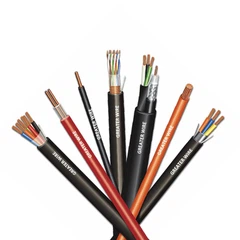
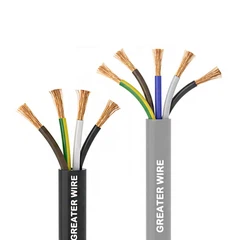
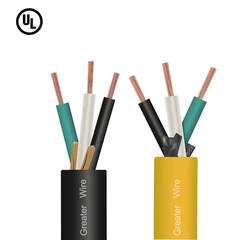
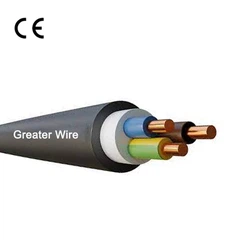
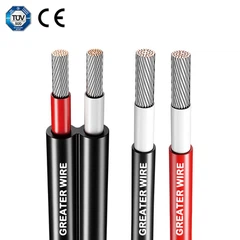

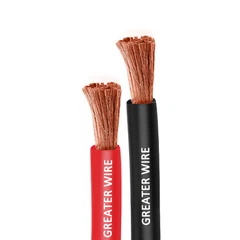
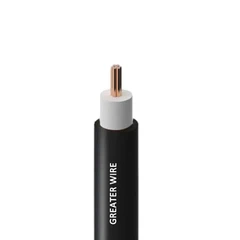
When it comes to choosing the right electrical wire, waterproofing is often one of the most overlooked yet critical factors. In industrial, automotive, marine, and outdoor applications, water and moisture are constant threats. If a wire fails to resist water intrusion, it can lead to short circuits, corrosion, insulation breakdown, and even electrical fires. Thus, waterproof performance is not just about preventing water entry - it is a vital component of electrical safety, product reliability, and service lifespan.
Among the most widely used wires, Silicone Wire and PVC Wire are often compared. Customers frequently ask: Which one is better for waterproofing? To answer this, we need to examine their material composition, insulation properties, safety features, and long-term durability.
This article provides an in-depth technical comparison of Silicone Wire vs. PVC Wire, helping you understand which material offers superior waterproofing performance and under what conditions each is the most suitable choice.
Why Waterproofing Matters in Wire Selection
Water exposure can cause significant damage to electrical systems:
Corrosion of conductors → Increases resistance, decreases efficiency
Insulation failure → Leads to leakage current, electric shock, or short circuits
Reduced lifespan → Frequent replacements increase cost
Fire hazards → Moisture-related faults can spark dangerous fires
Therefore, waterproofing is not only about protecting the wire but also about ensuring operational safety, reliability, and cost-effectiveness. Choosing the right wire insulation is key to achieving these goals.
What Are Silicone Wire and PVC Wire?
Silicone Wire
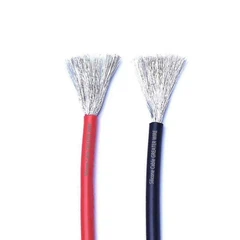
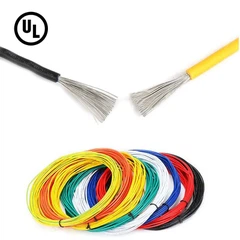
Silicone Wire uses tinned copper conductors insulated with silicone rubber. The silicone insulation is highly flexible, temperature-resistant, and naturally resistant to moisture penetration.
Key Features:
Temperature range: -60℃ to +200℃
Excellent flexibility in hot and cold environments
Naturally resistant to water, UV, and ozone
Flame-retardant and halogen-free

PVC Wire
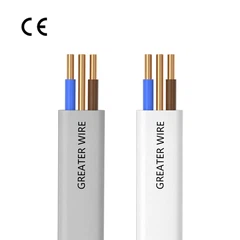
PVC Wire uses bare or tinned copper conductors insulated with Polyvinyl Chloride (PVC). It is the most common type of wire insulation, widely used due to its low cost and versatility.
Key Features:
Temperature range: -20℃ to +105℃
Good mechanical toughness and durability
Moderate resistance to moisture and chemicals
Contains halogens, releases toxic gases when burned
Material Properties: Silicone vs. PVC
Silicone Rubber (Silicone Wire):
Naturally hydrophobic, preventing water absorption
Remains flexible in extreme temperatures
Superior resistance to UV, ozone, and weathering
Excellent dielectric strength for electrical safety
PVC (PVC Wire):
Provides basic water resistance but can degrade over time
Stiffens in cold temperatures, risking cracks and water ingress
Prone to aging when exposed to UV and outdoor environments
Lower temperature tolerance compared to silicone
Waterproofing Performance Comparison
| Feature | Silicone Wire | PVC Wire |
|---|---|---|
| Water Absorption | Minimal, naturally hydrophobic | Moderate, can absorb moisture over time |
| Sealing Performance | Excellent, maintains integrity in humidity | Good, but degrades with aging/cracking |
| Outdoor Durability | Superior, resists rain, UV, and ozone | Limited, requires protection |
| Temperature & Moisture | Stable under extreme hot/cold + humid climate | Loses flexibility, risk of cracks |
| Service Lifespan | Long-term in wet/harsh environments |
Shorter in wet/harsh environments |
Safety and Service Life Considerations
It's important to stress that waterproofing is not just about keeping water out. It directly impacts safety and wire longevity:
PVC Wire:
Offers basic waterproofing but is more likely to fail under prolonged moisture exposure
When cracked or aged, water intrusion can cause insulation breakdown → higher risk of electric shock or fire
Provides stable insulation even in humid or submerged conditions
Resistant to fire, low smoke, and halogen-free → safer for both people and equipment
Longer lifespan → reduced replacement and maintenance costs
Application Scenarios
Best Use for PVC Wire:
Indoor electrical installations
General home appliances
Cost-sensitive projects where waterproofing is not critical
Best Use for Silicone Wire:
Outdoor and marine applications
Automotive, solar, and aerospace industries
High-humidity environments such as medical devices, robotics, and renewable energy
Any project requiring long service life and high safety standards
Cost vs. Value: PVC vs. Silicone
PVC Wire:
Lower upfront cost
Higher long-term replacement/maintenance cost in wet environments
Suitable for low-risk, short-term, or indoor projects
Silicone Wire:
Higher initial investment
Longer service life, reduced downtime, and lower maintenance
Provides higher value in long-term and mission-critical applications
Why Choose Dongguan Greater Wire & Cable Co., Ltd.?
At Dongguan Greater Wire & Cable Co., Ltd., we specialize in providing high-quality, reliable wire and cable solutions for global customers.
✅ Global Certifications: UL, CE, RoHS, and more
✅ Strict Quality Testing: Every wire undergoes durability, waterproof, and flame-retardant tests
✅ Customization: Specifications, colors, structures, and packaging tailored to customer needs
✅ 30 Years of Production Experience & 10 Years Export Expertise
✅ One-Stop Technical Support: From selection to installation guidance
✅ 24/7 Customer Response: Fast solutions to ensure project success
📞 Contact Us Today
Dongguan Greater Wire & Cable Co., Ltd.
Tel/WhatsApp/Wechat: +86 135 1078 4550 / +86 136 6257 9592
Email: manager01@greaterwire.com
Whether you need standard PVC Wire for general use or Silicone Wire for waterproof, outdoor, and high-reliability applications, we deliver safe, certified, and customizable solutions trusted by customers worldwide.
Partner with us today to ensure your projects are powered by the right wire - safe, durable, and waterproof.