


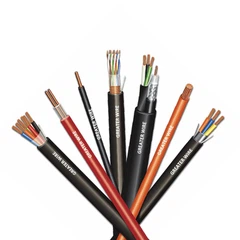
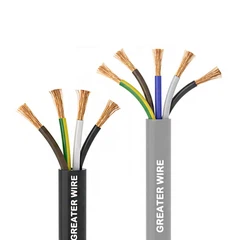
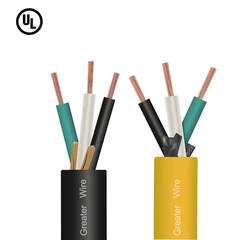
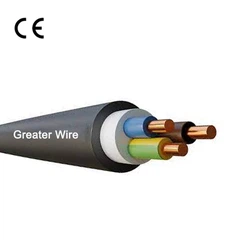
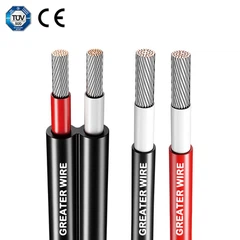

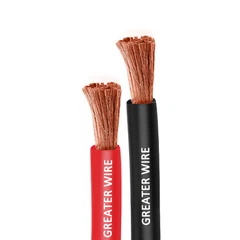
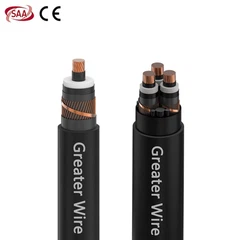
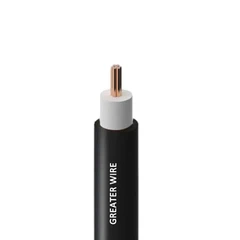
In modern electrical engineering and infrastructure construction, cables are the backbone of safe and stable power transmission. With the continuous expansion of application scenarios, selecting the right type of cable has become a critical decision in project design and implementation. Among the most widely used products are SWA Cable (Steel Wire Armoured Cable) and PVC Cable (Polyvinyl Chloride Cable), each with distinct differences in structure, performance, and applications.
Understanding the key differences between SWA Cable and PVC Cable helps engineers, procurement teams, and project managers make smarter, more cost-effective choices. This article explores their technical differences in depth, compares their strengths, and highlights our advantages as a professional cable manufacturer.
What Is SWA Cable?
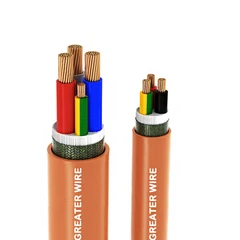
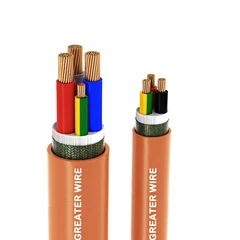
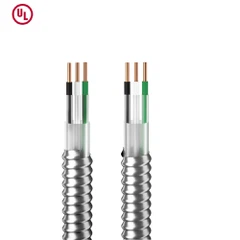
SWA Cable, or Steel Wire Armoured Cable, is a robust power cable consisting of conductor, insulation, bedding, inner sheath, steel wire armour, and outer sheath.
·Conductor: Typically copper or aluminum for high conductivity.
·Insulation: Commonly XLPE (cross-linked polyethylene) or PVC.
·Armour: A steel wire layer that provides excellent mechanical protection.
·Advantages: Resistant to compression, tensile stress, and external damage, making it ideal for underground installations, industrial plants, and long-distance power transmission.
What Is PVC Cable?
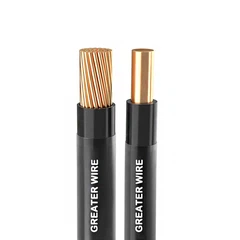
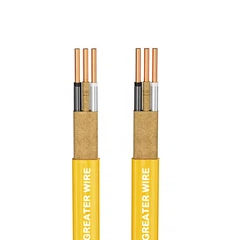
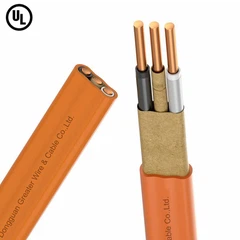
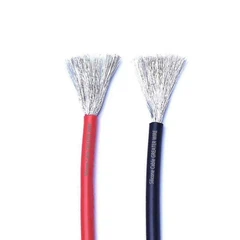
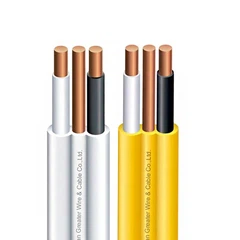
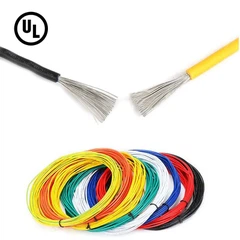
PVC Cable, or Polyvinyl Chloride Insulated Cable, uses PVC as the main insulation and sheath material.
·Conductor: Copper or aluminum.
·Insulation/Sheath: PVC, known for flame retardancy, flexibility, and chemical resistance.
·Advantages: Economical, lightweight, easy to install.
·Applications: Building wiring, residential power, control systems, and temporary projects.

SWA Cable vs. PVC Cable Technical Comparison
The table below summarizes the main differences between SWA Cable and PVC Cable across multiple dimensions:
| Dimension | SWA Cable (Steel Wire Armoured) | PVC Cable (Polyvinyl Chloride) |
|---|---|---|
| Structure | Includes steel wire armour for mechanical protection | Only PVC insulation/sheath, no armour |
| Mechanical Strength | Excellent resistance to impact, pressure, and tension | Vulnerable to external damage |
| Conductor | Copper or aluminum, suitable for high-current, long-distance | Copper or aluminum, mainly for low/medium power |
| Insulation/Sheath | XLPE or PVC insulation + PVC sheath | Single PVC insulation and sheath |
| Weather Resistance | Suitable for outdoor/underground harsh environments | Limited, performance degrades under UV exposure |
| Flame Retardancy | Optional LSZH sheath for safety | PVC is flame-retardant but produces smoke/toxicity |
| Cost | Higher, but offers longer service life and safety | Lower, economical for cost-sensitive projects |
| Applications | Underground power, industrial facilities, transportation hubs | Building wiring, home electrical, control circuits |
Extended Comparison: SWA Cable vs. VV-K Cable
Among PVC-type cables, VV-K Cable is a common representative. The following table illustrates the differences between SWA Cable and VV-K Cable:
| Dimension | SWA Cable | VV-K Cable |
|---|---|---|
| Protective Structure | Steel wire armour with high mechanical strength | No armour, only PVC sheath |
| Installation Environment | Underground, tunnels, bridges, outdoor conditions | Indoor or environments without heavy stress |
| Service Life | 30+ years, low maintenance costs | 15–20 years, more prone to external damage |
| Installation Flexibility | Heavier, requires professional installation | Lightweight, flexible, easy to install |
| Typical Applications | Large factories, mining, transport hubs | Standard building wiring |
This comparison shows that SWA Cable is better suited for long-term, heavy-duty projects, while VV-K Cable is more economical and lightweight for general use.
Application Scenarios
1.SWA Cable Common Applications
·Industrial power transmission
·Large infrastructure (airports, subways, tunnels)
·Mining and energy industries
·Long-distance underground installations
2.PVC Cable Common Applications
·Commercial building wiring
·Residential electrical systems
·Control and lighting circuits
·Temporary construction power supply
By selecting the right cable, users can strike a balance between cost efficiency and reliable performance.

Our Strengths
With years of manufacturing and export experience, we provide comprehensive cable solutions for global customers. The table below highlights our key advantages:
| Category | Highlights |
|---|---|
| Product Range | Professional IEC cable manufacturer with complete product line |
| Market Compatibility | Fully compliant with American and Latin American market standards |
| Specifications | Coverage from 16mm² upwards, standard sizes in stock |
| Delivery | Fast shipping, supporting both small and bulk orders |
| Service Support | Professional technical support + worry-free pre- and after-sales service |
| Global Cooperation | Years of manufacturing and export experience, global partners |
| Certification | All cables IEC certified |
| Customization | Full customization available: materials, sizes, colors, performance, marking, packaging |
Company Information
Dongguan Greater Wire & Cable Co., Ltd.
·Tel/WhatsApp/Wechat: +86 135 1078 4550 / +86 136 6257 9592
·Email: manager01@greaterwire.com
We are committed to delivering high-quality cables and professional services, ensuring reliable power solutions for projects worldwide.