

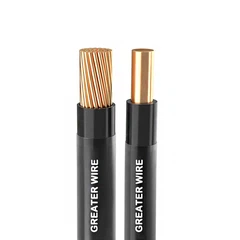

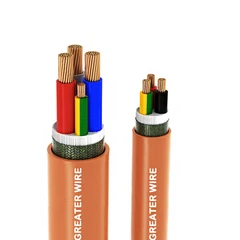
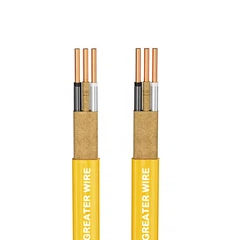
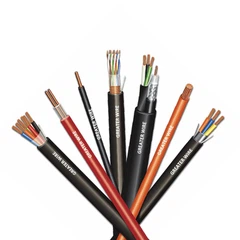
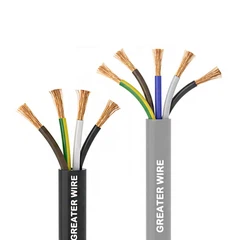
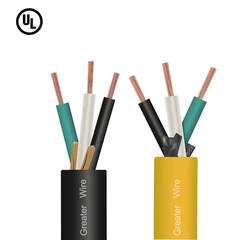
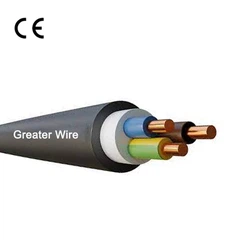
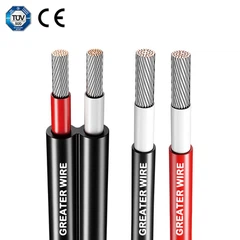

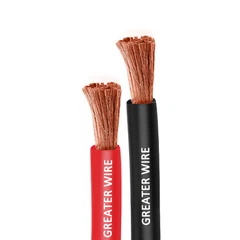
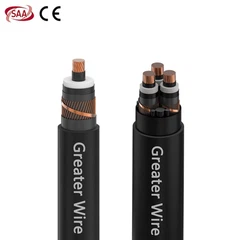
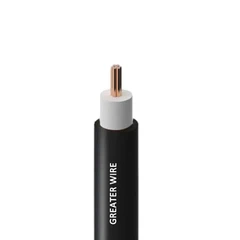
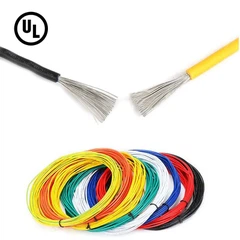
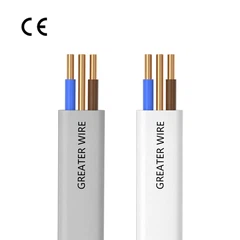
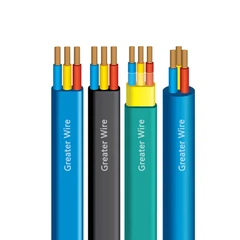
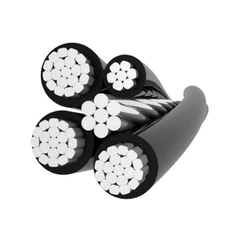
In photovoltaic power plants, cables are critical components ensuring stable power transmission. UL 4703 PV cables have become the preferred choice in PV systems due to their excellent high-temperature resistance, UV resistance, weatherability, and long-term operational reliability. To ensure efficient long-term operation, regular maintenance and inspection of cables are essential. This guide provides a systematic overview of maintenance strategies, common issues, and solutions for UL 4703 PV cables, along with a comparative analysis with common THHN cables, helping operations teams optimize cable management plans.
Overview of UL 4703 PV Cables
Cable Structure
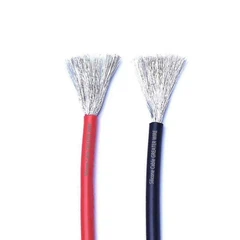
UL 4703 PV cables typically consist of:
- Conductor: Made of high-purity copper, offering low resistance and high flexibility.
- Insulation Layer: Cross-linked polyolefin (XLPE) material, resistant to high temperature and UV.
- Sheath Layer: High-weatherability polymer material, waterproof and chemically resistant.
This multi-layer structure ensures stable operation of UL 4703 cables under long-term outdoor exposure.
Technical Specifications
- Rated Voltage: Up to 1000V or 1500V DC
- Operating Temperature: -40°C to 125°C
- Environmental Resistance: UV-resistant, ozone-resistant, humidity-heat cycle resistant, acid and alkali resistant
- Applicable Environments: PV module series connections, combiner boxes, inverter inputs, direct burial or overhead installation

Comparison Between UL 4703 and THHN Cables
| Feature | UL 4703 PV Cable | THHN Cable |
|---|---|---|
| Usage Environment | Outdoor DC side of PV systems | Indoor distribution or light outdoor exposure |
| Temperature Resistance | 125°C continuous, short-term up to 150°C | 90°C |
| UV Resistance | Excellent, long-term exposure without cracking | Moderate, requires additional protection |
| Voltage Rating | DC 1000V / 1500V | AC 600V standard |
| Flexibility | High, easy to bend and install | Medium, relatively stiff |
| Service Life | ≥25 years | 10–20 years (depending on environment) |
Technical Analysis: UL 4703 cables are specifically designed for PV DC systems, offering superior UV and weather resistance compared to THHN, making them ideal for long-term outdoor use. THHN is better suited for indoor building distribution or mechanical conduit installations.
Importance of Photovoltaic Cable Maintenance
-
Aging Risks
Long-term sun exposure, temperature cycling, and mechanical stress can cause insulation aging, increasing the risk of leakage, short circuits, and overheating.
-
Fault Diagnosis
Regular inspection of insulation resistance, conductor integrity, and temperature rise can detect potential failures early and prevent plant downtime.
-
Maintenance Benefits
1.Extend PV system lifespan
2.Reduce O&M costs
3.Improve energy generation efficiency
4.Ensure safety of personnel and equipment
UL 4703 Cable Maintenance Guide
Daily Inspection
- Visual Check: Look for cracks, discoloration, or wear on the outer sheath
- Mechanical Stress: Inspect mounting brackets and cable ties for looseness
- Connections: Check combiner boxes, inverters, and terminals for corrosion or loose connections
Electrical Testing
- Insulation Resistance Test: Recommended quarterly with 500V/1000V megohmmeter
- Conductor Continuity Test: Ensure copper conductor is intact and well-connected
- Temperature Monitoring: Use infrared thermometers to detect abnormal temperatures at key points
Cleaning and Protection
- Remove dust, bird droppings, and chemical contaminants regularly
- In strong acid/alkali environments, install protective conduits
- For overhead installations, maintain sufficient spacing to prevent abrasion and tension
Replacement and Repair
- Minor sheath damage can be repaired with weather-resistant heat shrink tubing
- Severe conductor or insulation damage requires full cable replacement
- For buried cables, check soil pH and moisture regularly to prevent sheath corrosion

Technical Comparison and Cable Selection
Common cable types in PV plants include UL 4703, RHW-2, and XHHW-2.
| Cable Type | Key Features | Application |
|---|---|---|
| UL 4703 | High weatherability, high temperature, UV resistant | PV module to combiner box, DC side of inverter |
| RHW-2 | Thermoplastic insulation, moisture and heat resistant | Industrial and building distribution, indoor/outdoor |
| XHHW-2 | XLPE insulation, heat and moisture resistant | High temperature environments, outdoor direct burial |
Technical Recommendation:
- For long-distance DC overhead or direct burial, prioritize UL 4703
- For AC distribution or indoor wiring, RHW-2 or XHHW-2 is suitable
- Regular maintenance and inspection significantly extend cable lifespan and ensure system stability
Operational Advantages of UL 4703 PV Cables
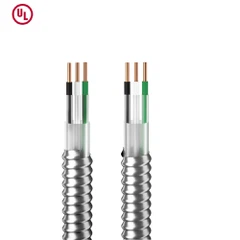
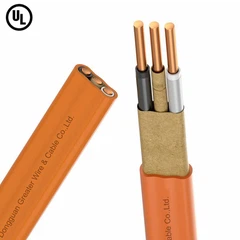
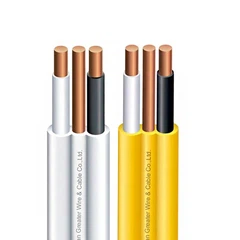
1.Product Advantages: We specialize in manufacturing UL wires and cables, offering a complete range including THHN, THW, MC Cable, AC Cable, etc. Please refer to our UL wire catalog.
2.Compliance with American Market: Products meet US UL and Canadian CSA standards, ensuring cross-border project reliability.
3.Full Specifications: Standard models cover a wide range of conductor sizes and voltage ratings.
4.Fast Delivery: Supports both large and small batch orders to meet urgent project needs.
5.Service Strength: Professional technical support throughout pre-sale and post-sale ensures smooth O&M.
6.International Cooperation: Years of manufacturing and export experience, with partners worldwide.
7.Certification Assurance: UL-certified cables comply with long-term PV plant operation standards.
8.Colors and Customization: Available in multiple colors with customization options for materials, specifications, length, color, performance, labeling, and packaging.

Maintenance Case Studies
Case 1: Preventing Aging of Buried Cables
In a PV plant, buried UL 4703 cables showed minor insulation aging during periodic insulation resistance testing. Timely installation of protective sleeves prevented potential power interruptions.
Case 2: Repairing Abrasion in Overhead Installation
In another PV plant, overhead UL 4703 cables experienced minor abrasion due to wind. Technicians repaired the affected sections using weather-resistant heat shrink tubing, ensuring continuous operation.
Maintenance Key Points
- Daily visual inspections and secure connections are essential
- Insulation resistance and temperature monitoring are critical
- Comparative analysis aids in optimized cable selection
- Timely replacement and repair prevent fault escalation
- Customizable services improve maintenance convenience
Through proper maintenance strategies, UL 4703 cables can achieve over 25 years of stable operation, providing reliable support for PV power generation systems.
Company Information
Dongguan Greater Wire & Cable Co., Ltd.
- Tel/WhatsApp/Wechat: +86 135 1078 4550 / +86 136 6257 9592
- Email: manager01@greaterwire.com
We specialize in UL wire and cable manufacturing, offering professional products and technical services to ensure safe and efficient operation of global photovoltaic projects.