


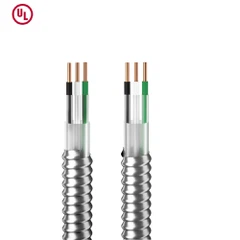

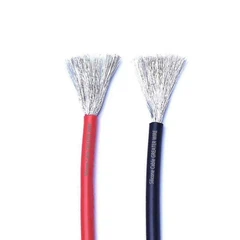
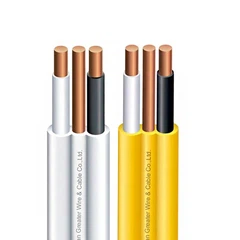
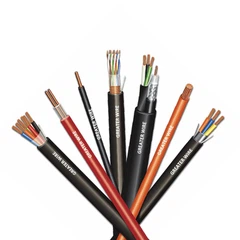
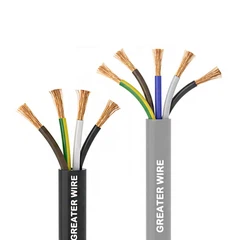
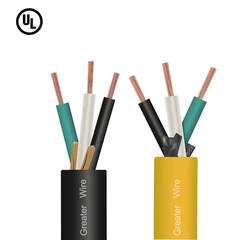
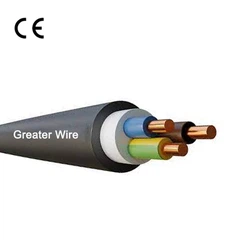
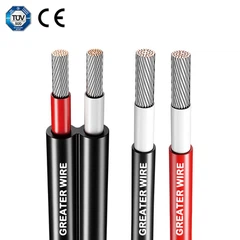

1, High cost
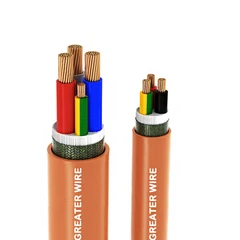
Compared with ordinary cables, the manufacturing process and material cost of lszh fire resistant cable are higher, so the market price is higher and the cost will be passed on to the end users. This may not be suitable for certain low-cost application scenarios.
2, Poor insulation performance
The material composition and manufacturing process of lszh fire resistant cable can have an impact on their insulation performance, so the insulation performance of this type of cable may be slightly inferior compared to ordinary cables, especially in high-temperature environments where aging is prone to occur.
3, High transportation and installation costs
Due to the use of solid materials for the outer protective layer of lszh fire resistant cable, their flexibility is lower compared to ordinary cables, which requires more caution in handling and installation, sometimes requiring more manpower and time costs.
4, Easy to damage
Due to the complex processes and materials required in the manufacturing process of lszh fire resistant cable, it is easy to encounter defects or quality issues. Once damaged, it requires more maintenance and replacement costs.
In summary, although lszh fire resistant cable have many advantages such as strong flame retardancy and anti-interference ability, their disadvantages are also quite obvious, such as high cost and poor insulation performance. Therefore, when applying and selecting this type of cable, it is necessary to consider actual needs and budget constraints in order to ensure the final effectiveness and safety performance.
