


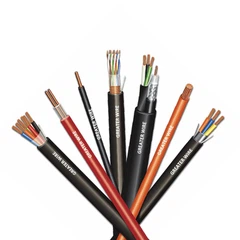
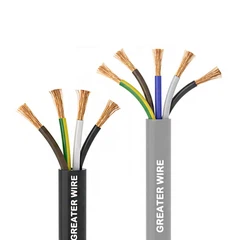

In the modern world of military technology and industrial engineering, the reliability of electrical connections is not just a convenience-it is a mission-critical factor. Among the myriad of wire types available, Teflon Wire, made from Polytetrafluoroethylene (PTFE), stands out for its unparalleled performance in extreme environments. Its remarkable temperature tolerance, chemical resistance, and superior electrical insulation make it indispensable in both industrial and military applications. This article delves into why the military turned to Teflon Wire, explores its uses, and highlights its strategic advantages, offering insights for engineers, designers, and procurement specialists alike.
Understanding Teflon Wire
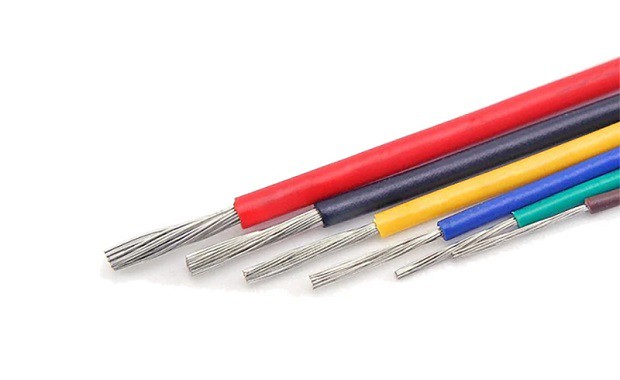
Teflon Wire is fundamentally a copper conductor coated with PTFE insulation, a polymer known for its exceptional stability and resilience. PTFE possesses a very low friction coefficient, can withstand both high and low temperatures, and resists chemical attack, moisture, oil, and even radiation to a certain degree. These characteristics make Teflon Wire particularly suitable for environments where ordinary PVC or silicone wires would fail. For instance, whereas a typical PVC-insulated wire may degrade at temperatures above 105°C, Teflon Wire can operate reliably at temperatures exceeding 260°C, ensuring uninterrupted operation of sensitive systems.
Its electrical properties are equally impressive. With a high dielectric strength, Teflon Wire effectively isolates electrical currents, preventing shorts and signal loss. This makes it an ideal choice for critical applications, such as avionics or missile guidance systems, where reliability cannot be compromised. Compared to other insulation materials like silicone or PVC, Teflon Wire offers superior mechanical durability, chemical inertness, and long-term stability-qualities that have made it a standard in military-grade wiring.
Why the Military Chose Teflon Wire
The military operates in environments where ordinary materials are simply inadequate. Extreme temperatures, fluctuating humidity, saltwater exposure, and harsh vibrations are daily realities. Teflon Wire excels under such conditions, offering unmatched performance and durability. In addition to environmental resilience, it provides enhanced reliability and safety, critical for mission-critical systems where failure could lead to catastrophic outcomes.
Weight and space considerations also play a role. Military aircraft, spacecraft, and unmanned systems benefit from lightweight, compact wiring solutions. Teflon Wire's combination of flexibility and durability allows engineers to design intricate wiring harnesses without adding unnecessary bulk. Its long service life further reduces maintenance frequency, minimizing operational downtime and logistic burdens-a vital factor for modern military operations.
Common Military Applications of Teflon Wire
The versatility of Teflon Wire is reflected in its widespread military applications. From the cockpit of an advanced fighter jet to the depths of a submarine, its performance ensures operational reliability in critical systems.
-
Aircraft and Aerospace Systems
In military aviation, Teflon Wire is extensively used in aircraft cabins for electrical wiring, providing reliable power and signal connections to avionics systems. Within aerospace systems, Teflon Wire connects sensors, control circuits, and communication modules, withstanding the high heat generated by engines and friction at high altitudes. Spacecraft systems similarly rely on PTFE-insulated wires to maintain precise control and communication under both extreme cold and intense solar radiation.
-
Naval and Marine Equipment
Naval vessels and submarines operate in highly corrosive, humid, and saline environments. Ordinary wires corrode quickly, potentially compromising navigation, communication, and weapon systems. Teflon Wire's chemical inertness and moisture resistance make it ideal for these applications, ensuring that communication lines, control circuits, and navigation systems remain fully operational even after prolonged exposure to seawater.
-
Ground Combat Vehicles
Modern tanks, armored personnel carriers, and other ground vehicles employ electronic warfare and radar systems that generate considerable electrical demands. Teflon Wire is used to build robust internal wiring harnesses capable of withstanding mechanical shock, vibration, and dust. Its flexibility allows engineers to route wires through tight compartments without damaging insulation or conductors, ensuring reliable operation even in the most rugged terrain.
-
Military Communication and Radar Systems
High-frequency signal transmission is another domain where Teflon Wire excels. Radar systems, ground stations, and antenna connections demand cables with low signal loss, high shielding effectiveness, and immunity to electromagnetic interference (EMI). PTFE-insulated wires meet these stringent requirements, ensuring that communication and detection systems remain uninterrupted during critical operations.
Advantages Teflon Wire Brings to Military Operations
Teflon Wire's superior properties translate directly into operational advantages. First and foremost, it enhances system stability and reliability, reducing the frequency of equipment failures and the need for costly repairs. In high-power and high-speed data transmission systems, Teflon Wire ensures signal integrity, a crucial factor in intelligence, surveillance, and targeting applications.
By minimizing downtime and ensuring consistent performance, Teflon Wire contributes to overall mission success. For example, a fighter jet using Teflon-insulated wiring in its avionics system is less likely to experience signal disruptions, thereby maintaining precise control during combat maneuvers. Similarly, in submarines, corrosion-resistant Teflon Wire guarantees the reliability of communication and navigation circuits, critical for underwater missions.
Case Examples and Historical Usage
The military's adoption of Teflon Wire has a long and storied history. Post-World War II, aerospace and defense engineers began incorporating PTFE materials into aircraft and missile systems to improve durability and safety. During the Cold War, military communication networks increasingly relied on PTFE-insulated cables for their stability in extreme climates and high-frequency performance. Today, modern unmanned aerial vehicles (UAVs), missile guidance systems, and satellite communication networks continue to depend on Teflon Wire to meet demanding operational requirements.
Consider a contemporary UAV outfitted with multiple high-speed data lines connecting sensors, cameras, and control systems. Standard wires would degrade under continuous vibration and thermal stress, risking data loss. Teflon Wire, however, ensures these critical signals are transmitted reliably, highlighting its continued relevance in cutting-edge military applications.
Teflon Wire Standards and Certifications in Military Use
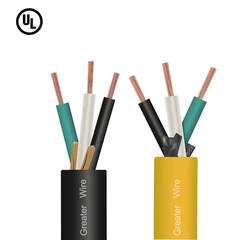
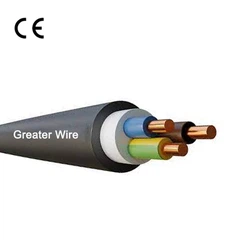
Military-grade wiring is governed by stringent standards to ensure consistent performance and traceability. MIL-Spec standards, such as MIL-W-16878, define requirements for PTFE-insulated wires in military systems, covering parameters such as electrical properties, temperature tolerance, and mechanical durability. Beyond military specifications, certifications from UL, CSA, SAE, and NASA further validate Teflon Wire's quality, making it suitable for aerospace, defense, and industrial projects worldwide.
In practice, this means that every wire can be traced, tested, and verified before deployment, providing engineers and procurement officers with confidence that the materials meet or exceed performance expectations. This rigorous quality assurance is especially critical in systems where a single cable failure could compromise an entire mission.
Future Trends of Teflon Wire in Military Applications
As military technology evolves, so do the requirements for wiring systems. The trend toward miniaturized, high-power, and high-speed electronic systems increases the demand for wires that are smaller, lighter, yet capable of handling higher currents and faster signal rates. Engineers are also exploring composite insulation structures that combine PTFE with other high-performance materials to achieve enhanced mechanical strength, thermal stability, and electromagnetic shielding.
Additionally, unmanned and intelligent systems introduce new challenges, such as increased wiring density in compact spaces and the need for automated diagnostic capabilities. Teflon Wire continues to adapt to these demands, ensuring that future military platforms remain reliable, efficient, and resilient.
Teflon Wire's exceptional heat resistance, chemical inertness, and mechanical durability make it a critical component in modern military systems. From aircraft avionics and missile guidance circuits to naval communication networks and armored vehicle wiring, PTFE-insulated wires ensure that complex systems operate reliably under extreme conditions. Proper selection, installation, and maintenance further enhance its performance, ensuring long-term operational success.
Dongguan Greater Wire & Cable Co., Ltd., with advanced production lines, rigorous quality control, and international certifications, provides high-performance Teflon Wire solutions for military and industrial applications worldwide. If you are looking for durable, customizable, and mission-critical wiring solutions, we are ready to offer expert guidance and reliable supply.
Contact Information:
Dongguan Greater Wire & Cable Co., Ltd.
Tel/WhatsApp/WeChat: +86 135 1078 4550 / +86 136 6257 9592
Email: manager01@greaterwire.com