

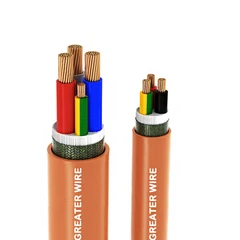
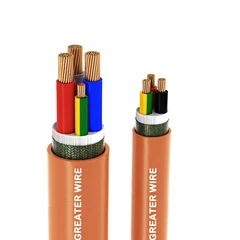

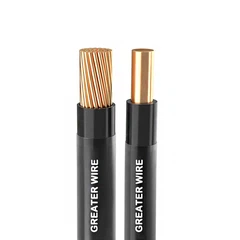
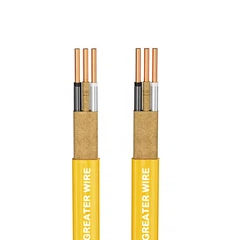
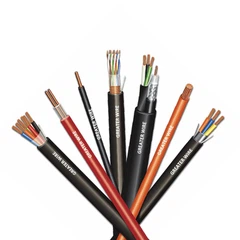
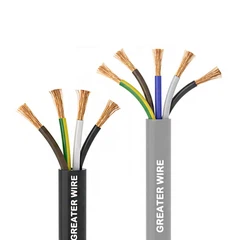
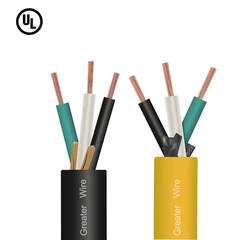
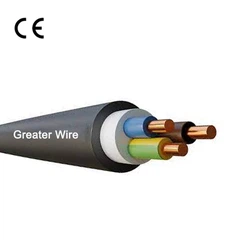

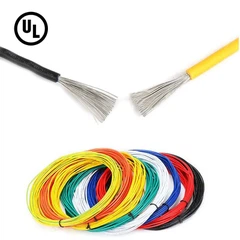
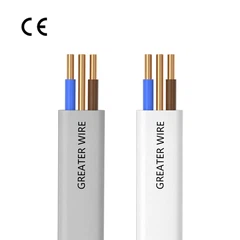
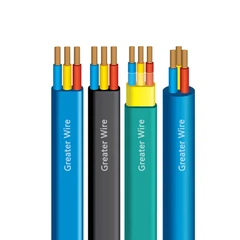
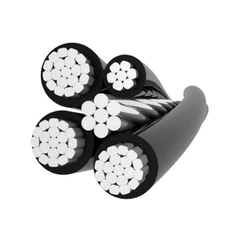
In the world of renewable energy, photovoltaic (PV) systems play a crucial role in harnessing solar power to generate electricity. Photovoltaic cables, also known as solar cables or solar wires, are essential components of a solar power system, as they are responsible for transmitting the electrical energy generated by solar panels to inverters and, ultimately, to the electrical grid or battery storage systems. These specialized cables are designed to withstand harsh environmental conditions, ensuring the safe and efficient transmission of electricity over long periods.
In this article, we will dive deep into what photovoltaic cables are, how they work, their design specifications, their importance in a solar energy system, and the different types of solar cables available. We will also explore the standards and regulations that govern solar wires to ensure their safety and durability.

1. What is a Photovoltaic Cable?
A photovoltaic cable is a type of electrical wire that is specifically designed for use in photovoltaic (solar) systems. These cables are responsible for connecting the solar panels to other system components, such as inverters, batteries, and the electrical grid. Solar cables must meet specific criteria to ensure they can withstand the demanding conditions of outdoor environments, including exposure to ultraviolet (UV) radiation, high temperatures, moisture, and mechanical stress.
Photovoltaic cables are typically made of copper or aluminum conductors, which are insulated and sheathed with materials that provide protection against environmental factors. The insulation and sheathing materials are designed to resist heat, moisture, UV radiation, and mechanical damage, ensuring the cables continue to function optimally over the long term.

2. Key Characteristics of Photovoltaic Cables
2.1 Electrical Conductivity
The primary function of a solar wire is to transmit electrical power. Therefore, the cables must have high electrical conductivity to minimize energy losses. Most photovoltaic cables use copper conductors because copper offers superior electrical conductivity compared to other metals like aluminum. This is especially important in large solar systems where minimizing energy loss is crucial to maximizing efficiency.
2.2 Insulation and Sheath Materials
To protect the conductors and ensure the safe transmission of electricity, solar cables are equipped with insulation and an outer sheath. The insulation is typically made from materials such as:
Cross-linked polyethylene (XLPE): This material provides high resistance to heat, UV rays, and chemical exposure. It is commonly used in photovoltaic cables because of its excellent performance under harsh environmental conditions.
Thermoplastic elastomer (TPE): TPE is another common insulation material used for solar wires due to its flexibility and resistance to UV radiation, moisture, and temperature fluctuations.
Polyvinyl chloride (PVC): PVC is often used for indoor solar cables but is less common in outdoor applications due to its limited resistance to UV radiation and environmental degradation.
The outer sheath of solar cables is designed to provide additional protection from mechanical damage, UV radiation, and moisture. These sheaths are typically made from UV-resistant materials that ensure the cables remain durable even when exposed to direct sunlight for extended periods.
2.3 Flexibility
Since solar wires are often routed through various tight spaces, bends, and corners, they must be flexible enough to allow easy installation without damaging the cable or compromising its integrity. Flexibility is especially important for cables used in residential installations, where the layout may involve complex routing through attics, walls, and conduits.
2.4 Temperature Tolerance
Photovoltaic systems are installed in outdoor environments where the temperature can fluctuate drastically. Solar cables must be able to operate efficiently within a wide temperature range, typically from -40°C to +90°C. This tolerance ensures that solar wires can perform optimally even in extreme weather conditions, including heatwaves and freezing temperatures.
2.5 UV and Ozone Resistance
Since solar cables are often exposed to direct sunlight, they need to be resistant to UV radiation. UV exposure can cause the insulation to degrade over time, leading to cracking, brittleness, and reduced electrical performance. To combat this, solar wires are manufactured with UV-resistant materials to ensure they can withstand years of sun exposure without significant degradation.
Additionally, solar cables must be resistant to ozone, which is produced by high-voltage electrical equipment and can cause rubber and plastic components to crack and degrade. Ozone-resistant materials are essential to ensuring the longevity of solar cables in systems exposed to high voltage.
2.6 Fire Resistance
As with any electrical component, solar cables must be designed to minimize fire risks. They are tested for flame propagation and smoke generation to ensure they do not contribute to the spread of fire in the event of an electrical fault. Standards such as IEC 60332 govern the flame resistance properties of solar cables, ensuring that they are safe for use in a wide range of applications, including residential, commercial, and utility-scale solar installations.

3. Types of Photovoltaic Cables
There are several types of solar cables used in photovoltaic systems, each designed to suit different applications and installation environments. The most common types of solar wires include:
3.1 Single-Core Solar Cable
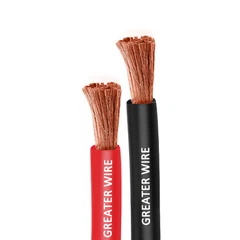
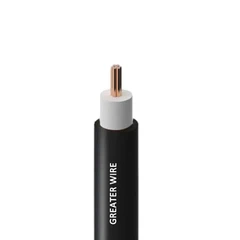
A single-core solar cable is the most common type of solar wire used in photovoltaic systems. This type of cable consists of a single conductor that carries the electrical current. Single-core cables are typically used for DC (direct current) connections between the solar panels and the inverter.
Applications: These cables are often used for connecting individual solar panels to combiner boxes or inverters.
Advantages: Single-core cables are flexible, easy to handle, and are ideal for use in most residential and commercial solar installations.
3.2 Twin-Core Solar Cable
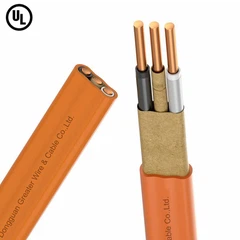
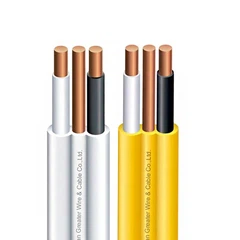
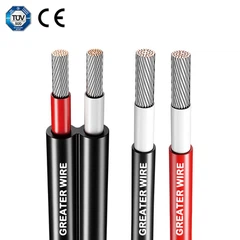
A twin-core solar cable contains two conductors, which can be used for both the positive and negative connections in a photovoltaic system. Twin-core cables are commonly used when you need a more compact wiring solution or when the layout of the system requires multiple conductors within a single cable.
Applications: Twin-core cables are typically used for connecting solar panels to inverters, batteries, and other system components.
Advantages: Twin-core cables provide a convenient, all-in-one solution, reducing the need for multiple individual cables and simplifying the installation process.
3.3 Flexible Solar Cable
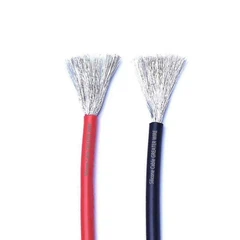
Flexible solar cables are designed for applications where the cable needs to bend or move frequently. These cables are commonly used in systems that require movement, such as solar tracker systems, or where installation requires navigating tight spaces.
Applications: Flexible cables are used in both residential and commercial solar systems, particularly where cables need to be routed through tight spaces or moved regularly.
Advantages: Flexible cables are easier to install and more durable in environments where bending and movement are common.
3.4 Armored Solar Cable
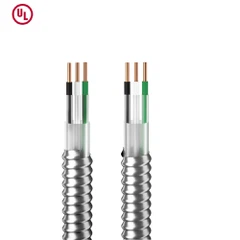
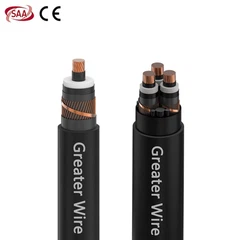
Armored solar cables are equipped with an additional layer of protection, usually made from steel or aluminum, to shield the cable from mechanical damage, such as crushing or abrasion. These cables are often used in installations where the cables are exposed to harsh physical environments, such as underground or in areas with heavy foot or vehicle traffic.
Applications: Armored cables are commonly used in industrial or utility-scale solar installations, or when cables are buried underground.
Advantages: The added layer of protection makes armored cables highly resistant to mechanical damage, increasing their longevity and safety.

4. Why Are Photovoltaic Cables Important in Solar Systems?
Photovoltaic cables play a crucial role in the operation of solar power systems. Their primary function is to carry the electrical power generated by the solar panels to the inverter, which converts the direct current (DC) into alternating current (AC) that can be used in homes, businesses, or fed into the electrical grid. Here are some key reasons why solar cables are so important:
4.1 Efficient Power Transmission
Solar cables are designed to carry electrical current efficiently, minimizing energy losses over the transmission distance. This is especially important in large solar installations, where even small losses can add up over time and reduce overall system efficiency.
4.2 Safety
Photovoltaic cables must meet stringent safety standards to prevent electrical hazards, such as short circuits or fire risks. By using high-quality materials and ensuring that cables are properly insulated and shielded, solar wires help prevent electrical accidents, fires, and other dangerous situations.
4.3 Durability
Since solar cables are often exposed to harsh outdoor conditions, they must be durable enough to withstand UV radiation, temperature fluctuations, moisture, and mechanical stress. Durable solar wires ensure that the solar system operates safely and efficiently for decades, reducing the need for frequent repairs or replacements.
4.4 Reliability
The reliability of solar cables is crucial to the overall performance of a photovoltaic system. If a cable fails, it can disrupt the entire system, leading to power outages or inefficiencies. High-quality solar wires ensure that the system remains operational without interruptions, providing a reliable power source for homes, businesses, and industries.

5. Standards for Photovoltaic Cables
Photovoltaic cables must meet various international standards to ensure their quality and safety. Some of the key standards that solar cables must comply with include:
IEC 60227: Covers the construction and performance requirements for PVC-insulated cables.
IEC 60216: Specifies the thermal endurance properties of electrical insulation materials.
IEC 60332: Addresses flame propagation and fire safety.
UL 4703: Specifies safety standards for cables used in photovoltaic systems in the U.S.
TÜV: Certification from TÜV ensures that solar wires meet the necessary standards for outdoor use and UV resistance.
These standards ensure that solar cables are safe, reliable, and capable of withstanding the demands of long-term outdoor use in solar energy systems.