

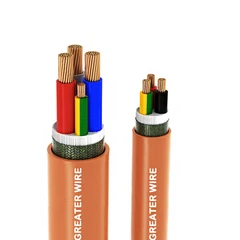
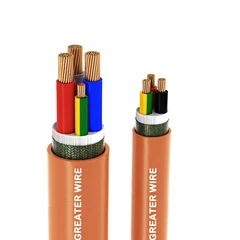

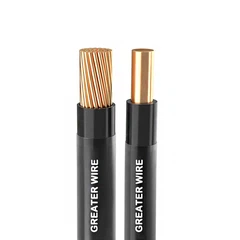
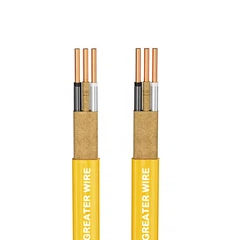
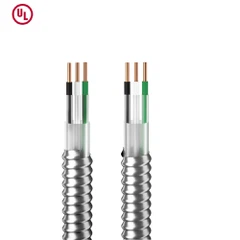
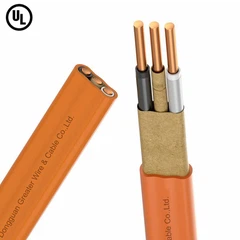
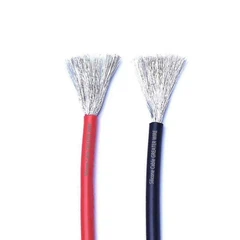
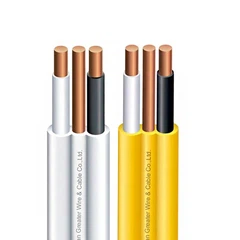
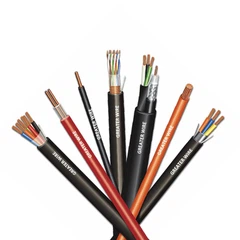
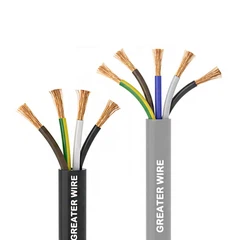
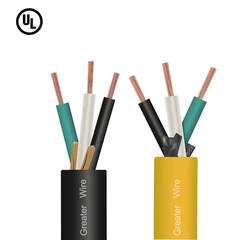
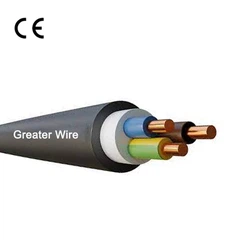
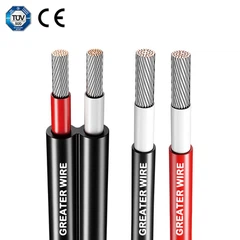

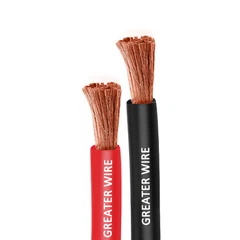
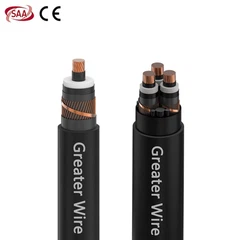
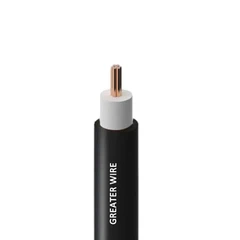
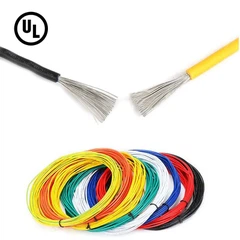
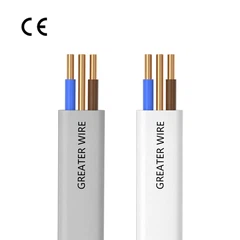
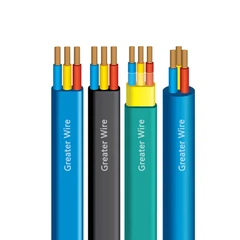
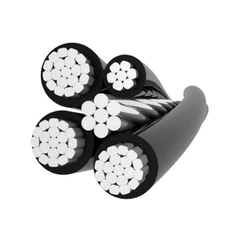
In the modern world, where electrical systems power everything from household appliances to industrial machines and even renewable energy infrastructure, the type of cable you choose can significantly impact performance, safety, and reliability. One name that continues to gain recognition in demanding applications is the Silicone Rubber Cable. Known for its outstanding flexibility, high-temperature resistance, and durability, silicone rubber cables are more than just wires-they are vital lifelines that keep critical systems operating without interruption.
But what exactly is silicone rubber cable? How does it differ from other types of silicone cables, and where should it be applied? Let's explore its unique properties, the environments where it excels, and why Greater Wire & Cable is your trusted partner when it comes to sourcing this essential product.
What Is Silicone Rubber Cable?
Silicone rubber cable is a type of electrical cable that uses silicone rubber as the insulating and protective material. Silicone rubber is an elastomeric compound that combines the durability of synthetic polymers with the flexibility of rubber, creating an insulation material that can withstand extreme conditions.
Unlike conventional materials such as PVC or polyethylene, silicone rubber offers remarkable stability across a wide temperature range. For instance, while PVC insulation typically weakens above 70–90°C, silicone rubber insulation can comfortably operate in environments of -60°C up to +180°C, and in certain designs even as high as 250°C. This ability makes silicone rubber cables especially valuable in applications where heat, cold, or frequent temperature fluctuations would quickly degrade ordinary cables.
To visualize this, consider the wiring inside a commercial bakery oven. Regular PVC cables would melt, char, or crack under such conditions. A silicone rubber cable, however, maintains structural integrity, electrical insulation, and flexibility-ensuring the oven continues to function safely day after day.

The Key Features of Silicone Rubber Cable
What sets silicone rubber cables apart from other options are their special properties, which combine mechanical, chemical, and electrical advantages.
- Temperature resistance. Silicone rubber remains stable in both extreme cold and extreme heat, enabling safe use across diverse environments-from freezing cold storage warehouses to the scorching heat of metallurgical plants.
- Flexibility. Even in sub-zero conditions, silicone rubber cables do not stiffen or crack, making installation easier and safer. This flexibility is also invaluable in applications that involve movement, bending, or vibration, such as robotics or automotive wiring harnesses.
- Excellent electrical insulation. Its dielectric strength helps prevent leakage currents, ensuring safety in critical systems. On top of that, it offers strong resistance to ozone, UV radiation, and many chemicals, which allows silicone rubber cables to perform reliably even in outdoor or industrial environments where other materials would degrade prematurely.
- Fire safety. Silicone rubber is inherently flame-retardant and, when exposed to fire, it produces minimal toxic smoke compared to PVC. In fact, in certain formulations, silicone rubber cables can form a stable layer of silica ash when burned, maintaining a degree of insulation and protecting circuits long enough to allow safe shutdown procedures. This makes them highly valued in applications where human safety is a top concern, such as hospitals, airports, and underground transport systems.
Silicone Rubber Cable vs. Silicone Cable – Comparison Table
| Aspect | Silicone Rubber Cable | Silicone Cable |
|---|---|---|
| Material | Made from silicone rubber compounds, offering enhanced elasticity and durability | General silicone-based insulation (may not be pure rubber compound) |
| Temperature Range | Wider range: -60°C to +180°C (peaks up to 250°C depending on design) | Typically -50°C to +150°C, slightly lower tolerance |
| Flexibility | Excellent flexibility, even under sub-zero temperatures and frequent bending | Flexible, but not as mechanically robust in extreme conditions |
| Durability | Strong resistance to mechanical wear, cracking, and aging | Good resistance, but may degrade faster in harsh industrial environments |
| Electrical Insulation | High dielectric strength, stable in demanding electrical systems | Good insulation, but slightly less stable under extreme conditions |
| Fire Resistance | Flame-retardant, forms silica ash layer in fire, providing added circuit protection | Flame-retardant, but performance is generally less advanced |
| Chemical Resistance | Resistant to oils, acids, ozone, and UV exposure, ideal for outdoor/industrial use | Moderate chemical resistance; suitable for domestic or light-duty use |
| Applications | Heavy-duty: industrial plants, aerospace, automotive, renewable energy, fire-safe systems | Domestic appliances, light commercial use, moderate-heat environments |
| Cost | Generally higher due to superior performance and specialized formulation | Lower, more economical for standard applications |
| Lifespan | Longer lifespan in extreme or harsh environments | Reliable in normal environments, shorter lifespan under tough conditions |
When comparing Silicone Rubber Cable with general Silicone Cable, the differences become clear in terms of durability, performance, and application. Silicone Rubber Cable stands out with its exceptional heat resistance, superior flexibility, and long-lasting reliability, making it the preferred choice for demanding environments such as industrial plants, automotive systems, and aerospace projects. On the other hand, standard Silicone Cable is more cost-effective and well-suited for household appliances, commercial equipment, and general electrical wiring where extreme performance is not required. Choosing the right type depends on the project's operating conditions and safety requirements.
Application Environments of Silicone Rubber Cable
The versatility of silicone rubber cables makes them indispensable across a wide spectrum of industries and environments.
- Residential and commercial sector, silicone rubber cables are often found in appliances that generate heat, such as ovens, heaters, and electric stoves. They are also used in building systems that require fire-resistant wiring, such as emergency lighting, alarm systems, and elevators.
- Industrial environments, their role becomes even more critical. For example, in a steel factory or glass manufacturing plant, where machinery operates under extreme heat, silicone rubber cables ensure uninterrupted performance. In the chemical industry, their resistance to corrosive substances allows them to function safely where other cables would quickly degrade.
- Automotive and aerospace sectors also rely heavily on silicone rubber cables. Cars, aircraft, and ships often face wide temperature variations, mechanical vibrations, and exposure to oil or fuel. Silicone rubber's resilience under these conditions makes it the material of choice for wiring harnesses and control systems.
- Renewable energy field, silicone rubber cables are increasingly being used in solar farms and wind power plants. Exposed to sunlight, rain, and extreme seasonal temperatures, these installations demand cables that can withstand the test of time while maintaining reliable electrical performance. Silicone rubber cables, with their UV and weather resistance, are ideally suited for these long-term outdoor applications.
How to Choose the Right Silicone Rubber Cable
Selecting the right silicone rubber cable is not just about picking the correct size-it requires considering several factors to ensure both safety and cost-efficiency.
Buyers should first evaluate the operating temperature range. Not all silicone rubber cables are created equal; some are optimized for continuous use at +180°C, while others can withstand peaks of +250°C. Matching the cable's rating to the application is essential.
Conductor type and size are also crucial. For fixed installations, solid conductors may be suitable, but for applications involving frequent movement or bending, stranded conductors provide greater flexibility and mechanical strength.
Certification is another key consideration. Look for cables tested and certified under recognized standards, such as AS/NZS 5000.1, UL, IEC/EN, or TUV, which assure compliance with safety and quality benchmarks. Certifications are especially important for projects in regulated markets like Australia, Europe, or North America.
Finally, consider the application environment-whether it involves exposure to chemicals, UV radiation, vibration, or fire risks. A professional manufacturer can provide guidance on the best formulation of silicone rubber insulation for specific project requirements.
Why Choose Greater Wire & Cable for Silicone Rubber Cable?
Understanding the properties of silicone rubber cable is only the first step-the next is finding a supplier who can consistently deliver quality, reliability, and value. This is where Dongguan Greater Wire & Cable Co., Ltd. has established a leading reputation.
With over 30 years of manufacturing expertise, Greater Wire specializes in producing high-quality silicone rubber cables and other building wires that meet international standards. Our products are certified by authoritative organizations such as SAA, UL, TUV, and IEC, giving customers full confidence in their compliance and safety.
Our strength lies in our state-of-the-art production facilities, where advanced extrusion, stranding, and insulation technologies ensure that every meter of cable meets strict performance criteria. Rigorous testing at every stage-covering electrical conductivity, insulation integrity, and fire resistance-guarantees that our cables deliver reliability even in the harshest environments.
We also pride ourselves on our flexibility and customization. Whether you need a standard silicone rubber cable for household appliances or a specialized formulation for aerospace applications, our engineering team works closely with clients to develop tailored solutions. This customer-centric approach has made us a preferred supplier across Australia, New Zealand, Oceania, Asia, Europe, and beyond.
By choosing Greater Wire, you're not just buying a cable-you're partnering with a manufacturer committed to quality, safety, and long-term success.
Silicone rubber cables are more than just an alternative to traditional wiring-they are the future of high-performance electrical systems. With their ability to withstand extreme temperatures, resist environmental stress, and maintain flexibility and safety in demanding applications, they offer unmatched reliability across residential, commercial, industrial, and renewable energy sectors.
While all silicone cables have their merits, silicone rubber cables represent the premium choice for projects where failure is not an option. Selecting the right type requires careful consideration of environment, certification, and technical requirements-and partnering with a trusted manufacturer is essential to ensure success.
Dongguan Greater Wire & Cable Co., Ltd. stands ready to provide not only high-quality silicone rubber cables but also expert guidance, customization, and reliable service to support your projects around the globe.
📞 Contact Information
Dongguan Greater Wire & Cable Co., Ltd.
Tel/WhatsApp/Wechat: +86 135 1078 4550 / +86 136 6257 9592
Email: manager01@greaterwire.com