

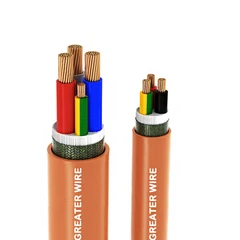

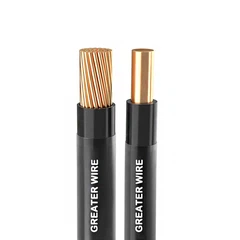
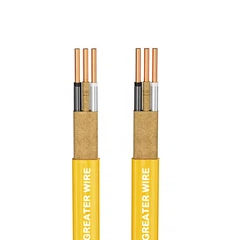
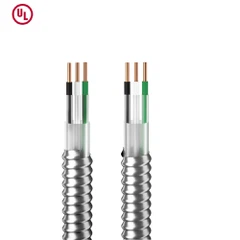
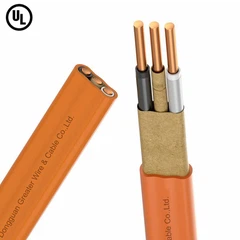
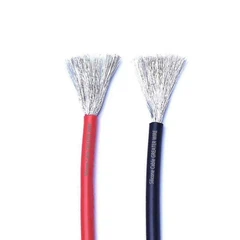
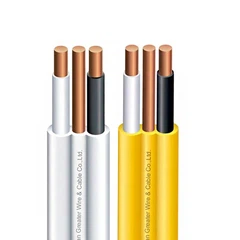
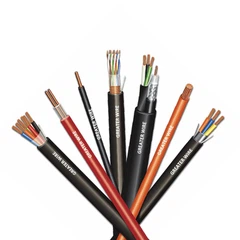
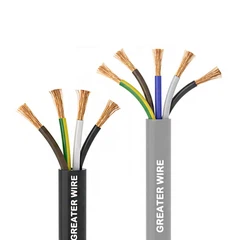
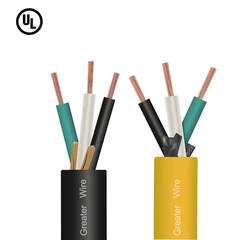
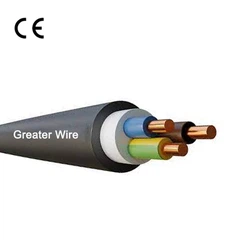
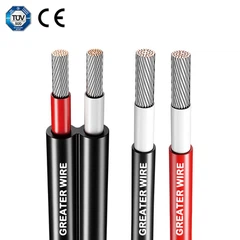

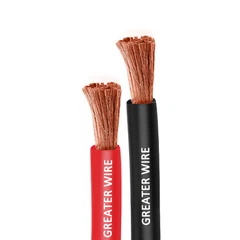
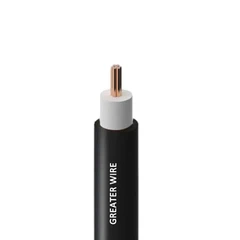
Whether in industrial or residential projects, choosing the right type of wire is crucial. The performance, safety, and longevity of your electrical system largely depend on this choice. Among the many wire options, PVC and Teflon wire are two widely used solutions, each with unique characteristics suitable for different applications. Understanding their differences is key to selecting the right wire for your project.
This article explores the meaning of PVC and Teflon wire, their applications, a detailed comparison, and guidelines for selecting the right wire for your project.
What Is PVC Wire?
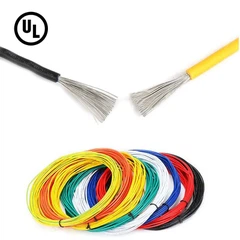
PVC wire is an electrical wire insulated with polyvinyl chloride (PVC), a versatile thermoplastic material. PVC insulation provides good electrical properties, mechanical strength, and moderate chemical resistance. It is widely used due to its cost-effectiveness, durability, and availability in various wire gauges and colors.
The conductor inside PVC wire is usually copper, either bare or tinned, ensuring efficient electrical conductivity. PVC insulation can typically withstand temperatures ranging from -20°C to +105°C, making it suitable for standard household, commercial, and industrial wiring. PVC wires are flame-retardant to a certain extent and are easy to handle and install, which makes them a popular choice for general-purpose applications.
What Is Teflon Wire?
Teflon wire, in contrast, uses polytetrafluoroethylene (PTFE) as its insulating material. PTFE, commonly known as Teflon, is a high-performance fluoropolymer recognized for its exceptional heat resistance, chemical stability, low friction, and superior electrical insulation properties. The conductor is typically finely stranded copper, ensuring excellent electrical conductivity and corrosion resistance.
Unlike PVC insulation, Teflon wire can operate in extreme temperatures from -190°C to +260°C, making it suitable for high-temperature, high-performance, and chemically challenging environments. Its smooth, non-stick surface also resists moisture, oils, fuels, and many chemicals, ensuring long-term durability and electrical integrity. Teflon wire is often used in aerospace, automotive, laboratory equipment, industrial high-temperature machinery, and high-frequency electronics.
Applications of PVC Wire
PVC wire is primarily used in standard electrical installations where the operating environment is moderate and extreme conditions are not expected. Typical applications include:
- Residential wiring for lighting, outlets, and switches
- Commercial installations in offices and public buildings
- Industrial control panels and general-purpose machinery wiring
- Low- to medium-voltage circuits where mechanical stress is minimal
For instance, in a residential lighting system, PVC wire provides reliable electrical conduction at a reasonable cost while meeting safety and fire-retardancy requirements. Similarly, in commercial office buildings, PVC wiring is often used for structured cabling and internal circuits.
Applications of Teflon Wire
Teflon wire is designed for high-demand and high-performance applications. Its exceptional heat resistance, chemical stability, and electrical properties make it ideal for:
- Aerospace and aviation systems
- Industrial machinery exposed to high temperatures or harsh chemicals
- Laboratory and high-frequency electronic equipment
- Automotive wiring in engine compartments or high-performance vehicles
For example, in an industrial oven, Teflon wires maintain insulation integrity and conductivity under prolonged exposure to extreme heat, ensuring safety and operational efficiency. In high-frequency laboratory instruments, Teflon wire reduces signal loss and maintains accurate measurements over time.
Key Differences Between PVC and Teflon Wire
While both PVC and Teflon wires serve as electrical conductors, their properties and optimal use cases differ significantly. The following table highlights their main differences:
| Feature | PVC Wire | Teflon Wire |
|---|---|---|
| Insulation Material | Polyvinyl Chloride (PVC) | Polytetrafluoroethylene (PTFE) |
| Operating Temperature | -20°C to +105°C | -190°C to +260°C |
| Flexibility | Moderate | Moderate to High |
| Chemical Resistance | Limited – suitable for standard environments | Excellent – resistant to oils, fuels, solvents, and most chemicals |
| Flame Retardancy | Flame-retardant to a degree | Naturally flame-resistant |
| Electrical Properties | Good for standard circuits | Low dielectric loss, high insulation resistance |
| Typical Applications | Residential, commercial, general industrial | Aerospace, high-temperature machinery, high-frequency electronics, automotive |
From the comparison, it is evident that PVC wire is suitable for everyday, moderate-temperature applications, while Teflon wire is designed for extreme conditions and high-performance environments.
How to Choose the Right Wire for Engineering Projects
Selecting the proper wire for an engineering project involves evaluating multiple factors to ensure safety, reliability, and long-term performance. Consider the following:
- Operating Temperature: Identify the range of temperatures the wire will be exposed to. Use PVC wire for standard moderate temperatures and Teflon wire for extreme heat or cold conditions.
- Mechanical Stress and Flexibility: Determine if the wire will bend, twist, or experience vibration. Silicone or Teflon wires are preferable in dynamic environments, while PVC is adequate for stationary circuits.
- Electrical Load and Signal Requirements: Ensure the wire's voltage rating, current-carrying capacity, and insulation properties match the system's needs. Teflon wire is especially useful for high-frequency or high-voltage applications.
- Environmental Conditions: Assess exposure to chemicals, moisture, oils, or UV light. Teflon wire provides excellent chemical resistance, whereas PVC is suitable for standard indoor environments.
- Compliance and Safety Standards: Verify UL, CE, or other relevant certifications to meet regulatory requirements.
- Manufacturer Support and Customization: Partner with a reputable supplier to obtain technical guidance, quality assurance, and customization options for specific project needs.
By carefully considering these factors, engineers can select a wire that delivers safety, efficiency, and durability, reducing maintenance costs and minimizing operational risks.
Why Choose Dongguan Greater Wire & Cable Co., Ltd.
Dongguan Greater Wire & Cable Co., Ltd. is a leading manufacturer specializing in high-quality PVC and Teflon wires. With advanced production lines, strict quality control, and technical expertise, the company ensures every product meets international safety and performance standards.
We provide a broad range of wires suitable for residential, commercial, industrial, aerospace, automotive, and high-tech applications. Products can be customized in terms of conductor size, insulation thickness, temperature rating, and packaging. Clients benefit from reliable technical support, after-sales service, and tailored solutions to meet specific project demands. Choosing Dongguan Greater Wire & Cable Co., Ltd. guarantees durable, safe, and high-performance wiring solutions that enhance the reliability and efficiency of any project.
Contact Us
Tel/WhatsApp/WeChat: +86 135 1078 4550 / +86 136 6257 9592
Email: manager01@greaterwire.com
Choose Dongguan Greater Wire & Cable Co., Ltd. for premium PVC and Teflon wire solutions that deliver performance, safety, and reliability across industrial, residential, and high-tech applications.