























In modern industries and daily life, wires are everywhere. From residential wiring to large industrial equipment, from low-voltage appliances to high-temperature power transmission systems, choosing the right wire not only affects electricity efficiency but also impacts safety and service life.
Have you ever been confused when selecting wires? Why are some called Thermoplastic Wire, while others are Thermoset Wire? What exactly is the difference, and which one is suitable for your project?
Don't worry. This article will guide you through Thermoplastic Wire and Thermoset Wire, from material properties to application scenarios, and provide a practical selection guide. At the same time, we'll introduce the unique advantages of our TW Wire products in material quality, manufacturing process, and service, helping you purchase with confidence and use without worry.
What Are Thermoplastic Wire and Thermoset Wire?
Thermoplastic Wire
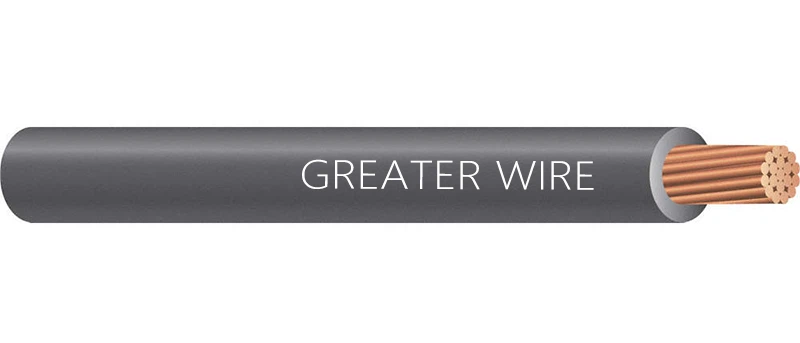
Thermoplastic wires are usually insulated with PVC (Polyvinyl Chloride), PE (Polyethylene), or other moldable materials. Their main characteristic is that they soften when heated and harden again when cooled, allowing easy shaping and processing.
- Key Advantages: Easy to process, cost-effective, corrosion-resistant
- Typical Applications: Household appliances, building wiring, general low-temperature environments
Thermoset Wire
Thermoset wires are made from cross-linked polyethylene (XLPE), EPR, or similar materials. Unlike thermoplastic wires, they do not soften when heated and maintain their mechanical strength and insulation performance even at high temperatures.
- Key Advantages: Heat-resistant, mechanically strong, long service life
- Typical Applications: Industrial equipment, high-temperature environments, underground pipelines, and long-term power systems
Clearly, the material differences between thermoplastic and thermoset wires directly influence their applications and selection criteria.
Material Properties Comparison
To help you grasp the key differences quickly, here's a direct comparison table:
| Property | Thermoplastic Wire | Thermoset Wire |
|---|---|---|
| Heat Resistance | Moderate (approx. 60–90℃) | High (up to 125–150℃) |
| Flexibility | High, easy to bend | Moderate, requires stress attention |
| Processability | Easy to shape, recyclable | Not recyclable after molding |
| Mechanical Strength | Moderate | High |
| Chemical Resistance | Good | Excellent |
| Service Life | Medium | Long, suitable for continuous use |
| Typical Materials | PVC, PE | XLPE, EPR |
Thermoplastic wires are suitable for residential and light industrial projects, while thermoset wires are better for high-temperature, high-stress, and long-term applications.
Application Scenarios
Different material properties determine the optimal application scenarios. The table below helps you match your needs quickly:
| Application | Thermoplastic Wire | Thermoset Wire |
|---|---|---|
| Residential Wiring | ✅ Lighting, sockets, household appliances | ⚪ |
| Commercial Buildings | ✅ Air conditioning, lighting, light equipment | ⚪ |
| Industrial Equipment | ⚪ | ✅ Motors, control cabinets, heavy machinery |
| High-Temperature Environments | ⚪ | ✅ Power plants, metallurgy, high-temperature pipelines |
| Underground / Buried Wiring | ⚪ | ✅ XLPE cables are commonly used |
When selecting wires, consider not only the current temperature but also long-term load, current density, and mechanical stress.
Selection Guide: How to Choose the Right Wire
Consider the following four dimensions when selecting wires:
Based on Temperature Conditions
- Low temperature or normal projects → Thermoplastic wire (PVC, PE)
- High temperature or continuous operation → Thermoset wire (XLPE, EPR)
Based on Mechanical Stress and Flexibility
- Frequent bending or movement → Thermoplastic wire is more flexible
- Fixed installation or high tension → Thermoset wire is more durable
Cost vs. Performance
- Thermoplastic wires are cost-effective for bulk projects
- Thermoset wires have a higher unit cost but longer service life and lower maintenance costs
Compliance with Safety Standards
- Follow UL, IEC, GB/T or other standards
- Choose flame-retardant, corrosion-resistant, or UV-resistant wires according to project requirements
Our Product Advantages
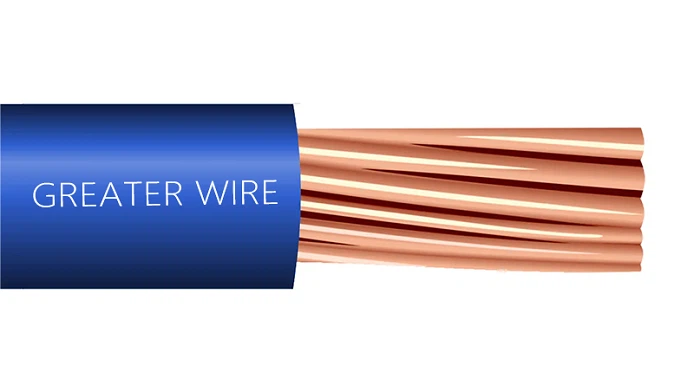
Choosing the right wire is just the first step. Finding a reliable supplier is the real key. Dongguan Greater Wire & Cable Co., Ltd. proudly presents TW Wire, combining the best features of thermoplastic and thermoset wires to provide optimal solutions for all projects.
Material & Process Advantages
- Premium PVC, PE, XLPE, and EPR materials
- Strict manufacturing process control ensures compliance with international standards
- Offers flame-retardant, corrosion-resistant, and heat-resistant custom options
Product Variety & Applicability
- Coverage for low-voltage wiring, high-temperature industrial use, motor cables, control wires, etc.
- Supports custom specifications for different project needs
Professional Service Team
- Pre-sale: Provide technical consultation and wire selection guidance
- After-sale: Installation guidance, troubleshooting, and maintenance support
- Full support for projects of any scale
Quick Contact & Support
- Tel/WhatsApp/WeChat: +86 135 1078 4550 / +86 136 6257 9592
- Email: manager01@greaterwire.com
Choosing TW Wire means choosing safety, durability, and professional service. Whether it's residential wiring or large industrial projects, we provide the best solutions for you.