



In modern electrical systems, whether in industrial machinery, automotive electronics, aerospace equipment, or household appliances, the reliability of wiring is essential. Among the various types of insulated wires, silicone wire stands out for its exceptional thermal stability, flexibility, and electrical insulation properties. One common question among engineers and buyers is: What is the temperature rating of silicone wire? Understanding silicone wire, its unique features, and its applications is crucial for ensuring optimal performance in demanding environments.
What is Silicone Wire
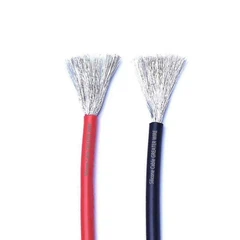
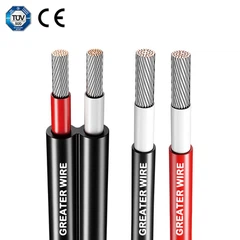
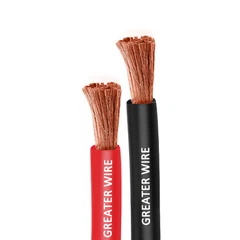
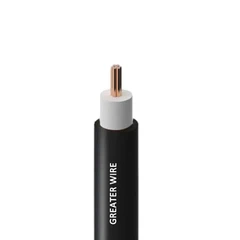
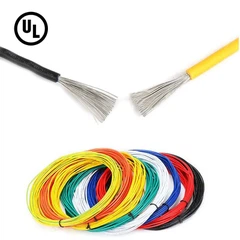
Silicone wire is composed of a finely stranded copper conductor surrounded by a silicone rubber insulation layer. This insulation provides mechanical protection and thermal stability, allowing the wire to endure high temperatures and repeated bending without cracking or degrading. Unlike conventional PVC or rubber-insulated wires, silicone wire maintains its electrical performance across a wide temperature range, resists moisture, UV radiation, and certain chemicals, and exhibits excellent elasticity. This combination of features makes silicone wire ideal for applications that require both durability and flexibility, such as moving machinery, robotics, and high-temperature circuits.

Features of Silicone Wire
Silicone wire offers a unique combination of properties that distinguish it from other wiring solutions. Its insulation provides high-temperature resistance, maintaining integrity even under prolonged heat exposure. The wire remains flexible at low temperatures, which simplifies complex installations. It is also durable, resistant to cracking, abrasion, and environmental stress, ensuring long-term reliability. The insulation exhibits excellent dielectric strength, maintaining safety and performance under a variety of operating conditions. Additionally, silicone wire resists water, oils, and many chemicals, enhancing its performance in challenging environments.
Temperature Rating of Silicone Wire
The temperature rating of silicone wire defines the range within which it can safely operate continuously. Standard silicone-insulated wires typically have a temperature rating from -60°C to +200°C, with certain high-performance variants able to withstand short-term spikes even higher. This wide range makes silicone wire particularly suitable for industrial machinery, automotive systems, heating elements, household appliances, and robotics, where both extreme heat and mechanical stress are present. Selecting wire with the proper temperature rating ensures reliable performance, minimizes downtime, and prevents electrical failures.
Application Scenarios of Silicone Wire
Silicone wire's versatility allows it to be applied across various industries. Its usage can be summarized in two main categories:
1.High-Temperature and Industrial Applications: Silicone wire is ideal for equipment operating under elevated temperatures, including heating elements, ovens, furnaces, and automated production lines. Its insulation ensures stable performance under thermal stress and mechanical wear.
2.Automotive, Aerospace, and Specialized Electronics: In engine compartments, avionics systems, and robotic devices, silicone wire maintains insulation integrity, flexibility, and safety under vibration, thermal cycling, and tight routing constraints. It is also widely used in household appliances where heat-resistant internal wiring is required.
These two points provide a clear overview of where silicone wire performs best, helping engineers and procurement teams identify appropriate solutions for their projects.
How to Choose the Right Silicone Wire
When selecting silicone wire, careful consideration of temperature, environmental conditions, and mechanical requirements is crucial. Key considerations can be summarized in two points:
1.Operating Temperature and Environment: Ensure that the wire's rated temperature exceeds the maximum operating temperature of the system. Silicone wire excels in environments requiring both high-temperature resistance and chemical stability.
2.Compliance, Flexibility, and Installation Needs: Verify that the wire meets UL, CSA, VDE, or other relevant standards. Consider routing constraints, bending radius, and mechanical stress. Customization in wire length, color coding, and packaging can also improve installation efficiency and safety.
Focusing on these two points ensures that the wiring system is safe, reliable, and optimized for long-term use.
Why Choose Dongguan Greater Wire & Cable Co., Ltd.
For businesses and professionals seeking high-quality silicone wires, Dongguan Greater Wire & Cable Co., Ltd. provides a trusted solution. With over 10 years of global export experience, we supply UL-certified, flexible, and durable silicone wires for industrial, automotive, aerospace, and consumer applications.
Our 50,000-square-meter production facility is equipped with advanced machinery for conductor drawing, stranding, silicone insulation extrusion, and quality testing. We produce various gauges and certifications of silicone wire, including UL3530 and other high-performance types, suitable for high-temperature, vibration-prone, and chemical-exposed environments.
In addition to manufacturing excellence, we offer customization in insulation thickness, color, wire length, and packaging, ensuring each project meets specific requirements. From technical consultation to timely delivery and after-sales support, Greater Wire provides a seamless experience for clients worldwide. Choosing Greater Wire means securing premium silicone wire combined with professional service, reliability, and quality assurance.
Dongguan Greater Wire & Cable Co., Ltd.
Tel/WhatsApp/Wechat: +86 135 1078 4550 / +86 136 6257 9592
Email: manager01@greaterwire.com