



1. What is R90 Wire?
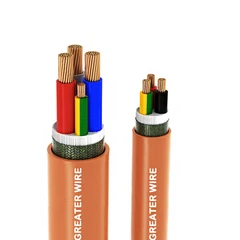
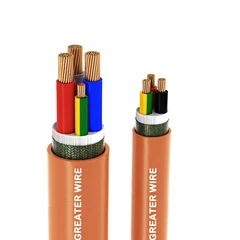
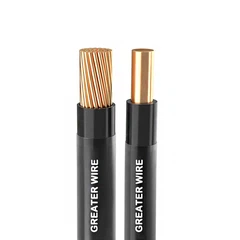
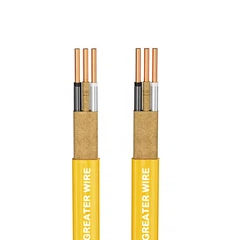
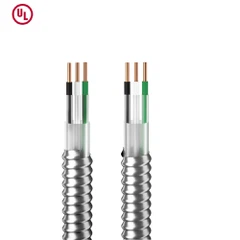
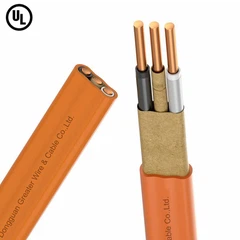
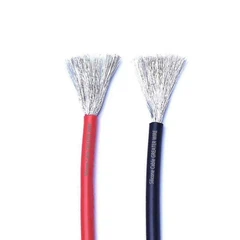
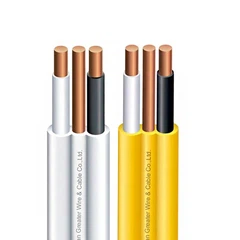
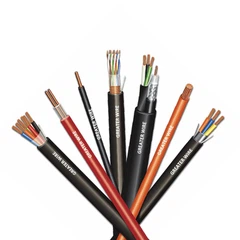
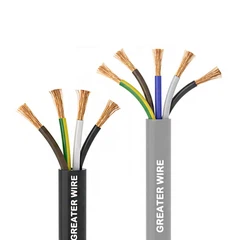
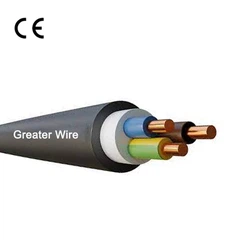
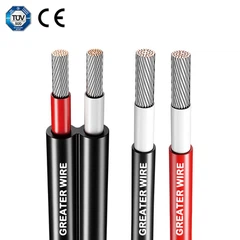
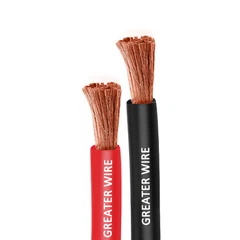
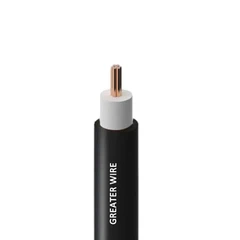
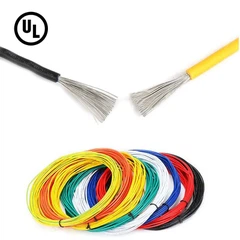
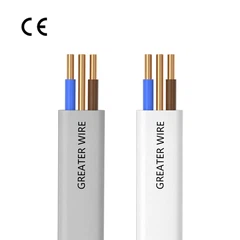
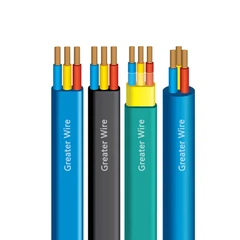
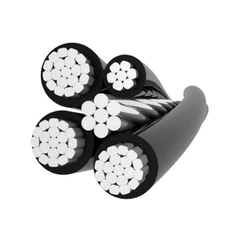
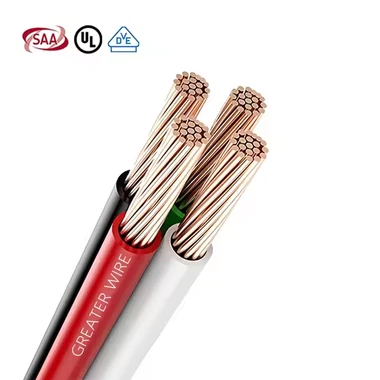
R90 wire is a type of wire characterized by specific heat resistance and insulation properties. Its conductor is usually made of copper, which ensures excellent electrical conductivity, while the insulation layer is made of high-performance polymer materials, guaranteeing safety under high temperature and complex environments. R90 wire is commonly used in building wiring, industrial machinery, and power distribution systems, especially in conditions requiring heat and corrosion resistance.

2. Detailed Explanation of the Voltage Rating of R90 Wire
The voltage rating refers to the maximum voltage the wire can safely withstand and is a key parameter when selecting wires. Typically, R90 wire is designed with a rated voltage of 450/750V or higher, depending on different manufacturing standards and application requirements. International standards such as IEC and Chinese GB standards specify the voltage ratings for R90 wire to ensure sufficient insulation strength and safety margin during use. Choosing the appropriate voltage rating can effectively prevent insulation breakdown and electrical faults.
3. Factors Affecting the Voltage Rating of R90 Wire
Several factors influence the voltage rating of R90 wire. First, the insulation material's dielectric strength is the core determinant of the voltage rating. High-quality insulation ensures the wire can operate safely under high voltage conditions. Secondly, the operating environment temperature directly impacts insulation performance-R90 wire is particularly suitable for high-temperature environments. Manufacturing process and structural design are also important; a well-designed layering structure enhances voltage withstand capability. Additionally, there is a relationship between current load and voltage rating, and matching these appropriately maximizes wire safety.

4. How to Properly Select the Voltage Rating of R90 Wire?
When selecting R90 wire, you should choose the voltage rating based on the specific environment and voltage requirements. For example, residential and general commercial buildings commonly use R90 wire rated at 450/750V, while industrial settings may require higher voltage ratings to meet equipment demands. Avoid blindly choosing wires with higher voltage ratings to save costs while ensuring safety. It is essential to follow national electrical safety codes during installation, including proper wiring and securing, to prevent insulation damage caused by mechanical forces.

5. Voltage Rating Testing and Maintenance of R90 Wire
Regular testing of the voltage rating and insulation condition of R90 wire is necessary to ensure electrical system safety. Common testing methods include insulation resistance testing and high-voltage withstand tests. Routine maintenance should check for cracks, discoloration, or mechanical damage on the wire surface and ensure good ventilation to prevent overheating. Timely replacement of aged or damaged R90 wires can significantly extend the lifespan of the electrical system and prevent safety incidents caused by voltage abnormalities.
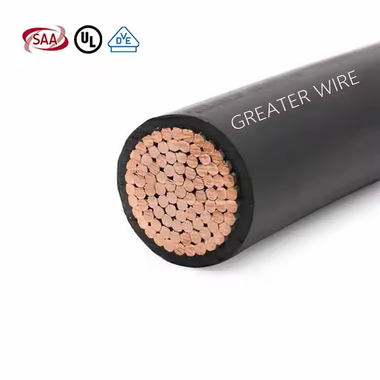
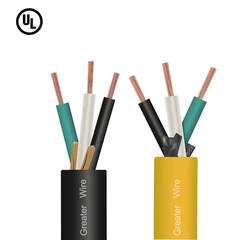
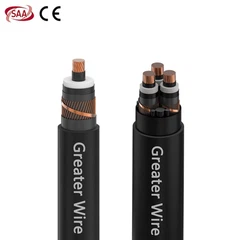
Dongguan Greater Wire & Cable Co., Ltd. products have passed multiple international certifications such as UL, cUL, CE, SAA, VDE, TÜV, ISO, etc., covering many major markets around the world. We support project-level supporting services, from selection recommendations, certification matching to technical support, to ensure that you have more advantages in the global engineering market competition. If you are looking for a compliant supplier of cable products, please contact us.