


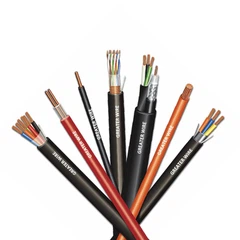
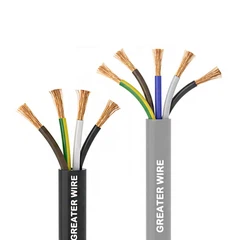
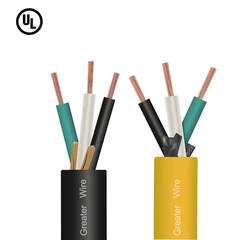
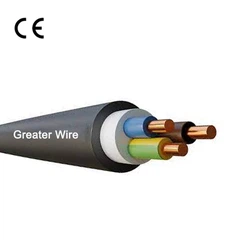
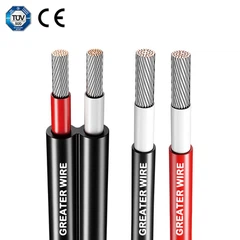

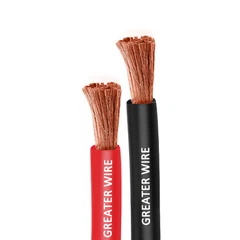
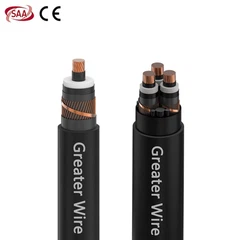
In many industrial and mobile systems, vibration is an unavoidable operating condition. Equipment such as motors, compressors, vehicles, robotic systems, and heavy machinery generate continuous or intermittent vibrations that place significant mechanical stress on connected cables. In such environments, the design of a flexible cable must go far beyond basic electrical performance to ensure long-term mechanical integrity, electrical stability, and operational safety.
This article examines how vibration affects cable performance, the specific structural requirements it imposes on flexible cable design, and how these requirements translate into reliable performance across different applications.

Understanding Vibration in Cable Applications
Vibration refers to repeated mechanical oscillation that may vary in frequency, amplitude, and direction. In cable installations, vibration typically arises from:
Rotating machinery and motors
Engines and generators
Mobile and transportation equipment
Industrial production lines
Unlike simple bending, vibration causes continuous micro-movements that can lead to progressive fatigue damage if the flexible cable is not properly designed.

Key Challenges Posed by Vibration
In vibration environments, cables face several risks:
Conductor fatigue and strand breakage
Loosening of conductor bundles
Insulation wear due to internal friction
Sheath cracking or abrasion
Degradation of electrical stability
A well-engineered flexible cable structure is essential to mitigate these effects.

Conductor Design Requirements
Fine-Stranded Conductors
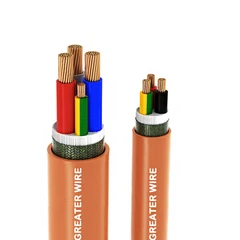
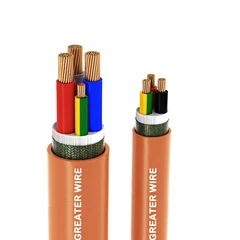
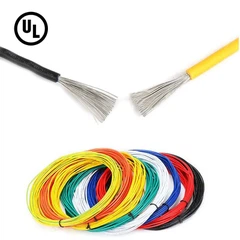
To withstand vibration, flexible cables typically use high-strand-count copper conductors.
Benefits:
Reduced stress on individual strands
Improved resistance to metal fatigue
Better flexibility and durability
This design minimizes the risk of conductor fracture under constant vibration.
Optimized Stranding Techniques
Advanced stranding geometries allow strands to move slightly relative to one another, absorbing vibrational energy rather than concentrating it at specific points.

Insulation System Requirements
Elastic and Wear-Resistant Insulation
Insulation materials must tolerate continuous micro-movement without cracking or abrasion.
Common materials include:
TPE
Elastomer compounds
High-flex PVC
These materials maintain insulation integrity under vibration.
Stable Electrical Properties
Vibration should not cause changes in insulation resistance or dielectric performance. High-quality materials ensure stable electrical behavior over time.

Cable Core Construction and Geometry
Compact and Symmetrical Core Layout
A symmetrical core structure ensures even stress distribution, preventing localized damage.
Fillers and Binding Elements
Fillers and binding tapes help stabilize internal components, reducing internal movement and friction caused by vibration.

Sheath Design Requirements
Flexible Yet Durable Sheath Materials
The outer sheath must protect internal components while remaining flexible.
Common choices include:
TPE
TPU
Elastomer-based compounds
These materials resist cracking and abrasion under vibration.
Vibration Damping Capability
Certain sheath materials absorb vibrational energy, reducing stress transmitted to internal conductors.

Strain Relief and Termination Considerations
In vibration environments, improper strain relief can cause stress concentration at termination points.
Design requirements include:
Controlled cable flexibility near connectors
Secure fixation to prevent fretting
Compatibility with vibration-resistant connectors

Typical Application Scenarios
Industrial Machinery and Motors
Flexible cables connect sensors, control systems, and power components exposed to continuous vibration.
Transportation Systems
Railway, automotive, and marine equipment require vibration-resistant flexible cables.
Robotics and Automation
Dynamic motion combined with vibration demands high-performance cable design.
Energy and Power Generation
Generators and turbines create sustained vibration conditions.
-
Applicable Regions and Standards
Europe
Strong focus on vibration resistance under IEC and EN standards
Extensive use in industrial machinery
North America
High vibration tolerance required in transportation and industrial sectors
Asia-Pacific
Rapid industrialization increases demand for durable flexible cable solutions

How Should Choose the Right Flexible Cable?
Operating in vibration environments should evaluate:
Vibration intensity and frequency
Expected service life and movement conditions
Conductor stranding and material quality
Insulation and sheath material performance
Compliance with relevant vibration and durability standards
Selecting a flexible cable not designed for vibration resistance can lead to premature failure and increased maintenance costs.


Vibration environments impose strict structural requirements on flexible cable design. Fine-stranded conductors, elastic insulation, stabilized core construction, and vibration-resistant sheath materials are all essential to ensure reliable performance.
Applicable Regions
Europe
North America
Asia-Pacific and global industrial markets
Please select flexible cables based on actual vibration conditions, mechanical stress levels, and applicable regional standards.
At Dongguan Greater Wire & Cable Co., Ltd., we understand that choosing the right wire and cable solutions is critical to the success and safety of your projects.
Our experienced pre-sales and after-sales teams provide:
Professional technical consultation
Accurate product selection and application guidance
Fast and responsive support throughout the entire project lifecycle
Whether you are working on small-scale installations or large industrial projects, we are committed to delivering reliable solutions and practical support tailored to your specific requirements.
Contact Us
Dongguan Greater Wire & Cable Co., Ltd.
📞 Tel / WhatsApp / WeChat
+86 135 1078 4550
+86 136 6257 9592
📧 Email
manager01@greaterwire.com
We look forward to supporting your next project with quality products, technical expertise, and dependable service.