


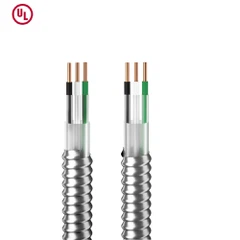
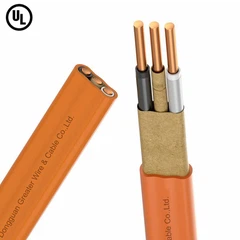
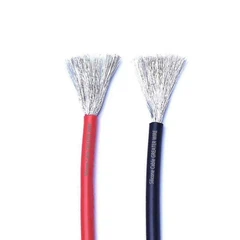
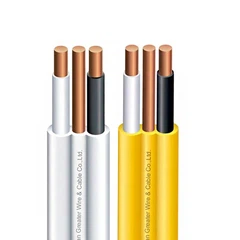

In the modern world of electrical engineering, one of the most overlooked yet essential questions is: "What size earth cable do I need?" At first glance, it might seem like a minor detail, but the size of an earth cable is directly tied to safety, efficiency, and cost-effectiveness. Whether you are working on residential wiring, industrial machinery, or large-scale power distribution systems, choosing the right earth cable size is not just a technical requirement-it's a critical decision that can protect lives, property, and investments.
In this article, we'll explore what an earth cable is, how its size impacts its function, the consequences of using the wrong size, and how to make the right selection for your project.
What is an Earth Cable?
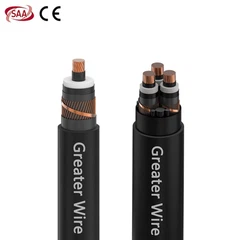
An earth cable-sometimes called a grounding cable-is a conductor specifically designed to connect electrical systems, equipment, or metal structures to the earth. The main purpose of this connection is to provide a safe, low-resistance pathway for fault current in the event of a short circuit, insulation breakdown, or lightning strike. By channeling unwanted current safely into the ground, earth cables prevent electric shocks, equipment damage, and fire hazards.
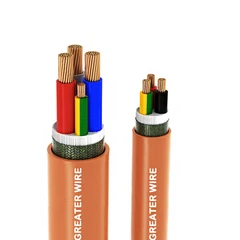
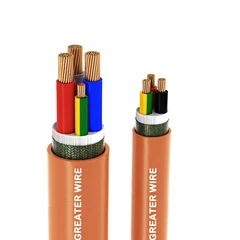
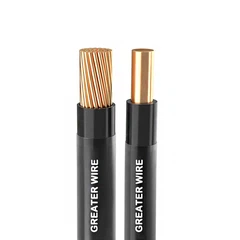
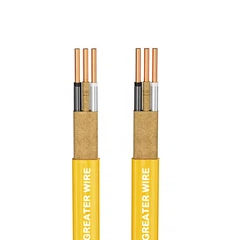
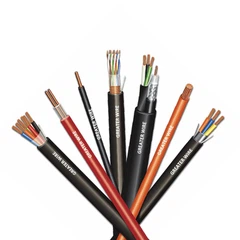
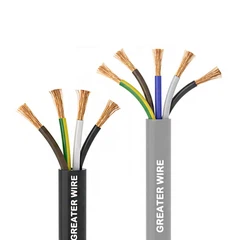
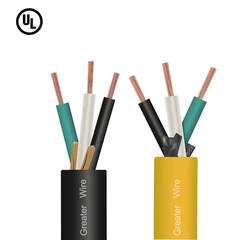
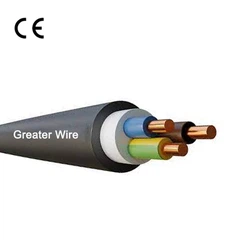
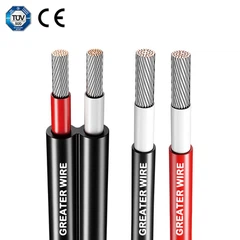
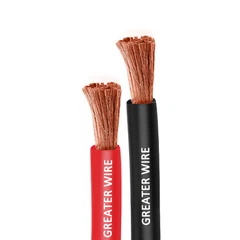
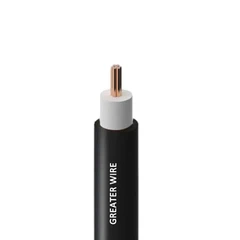
Earth cables come in different forms and constructions. For instance, a PVC earth cable features a durable polyvinyl chloride insulation layer that protects the conductor from mechanical stress, moisture, and chemical exposure. On the other hand, an earth bonding cable is specifically designed to connect various metallic parts within a building or an installation, ensuring that all conductive elements remain at the same potential and preventing dangerous voltage differences.
In simple terms, the earth cable is not just a piece of copper or aluminium wire-it is the backbone of electrical safety.

What Determines the Size of an Earth Cable?
The size of an earth cable is not chosen randomly. Instead, it depends on several interrelated factors:
2.System Voltage and Type – Residential wiring typically requires smaller sizes than high-voltage industrial networks.
3.Length of the Cable – Longer earth cables increase resistance, which may demand a larger cross-sectional area to maintain low impedance.
4.Installation Environment – For outdoor or underground installations, factors such as soil resistance, moisture, and temperature play a key role.
5.Material Used – Copper and aluminium have different conductivity levels. For example, an aluminium earth cable generally needs a larger cross-sectional area than a copper one to achieve the same performance.
In other words, the correct size is determined by a mix of electrical calculations, safety standards, and practical considerations of the installation site.
Why Size Matters: The Impact of Cable Dimensions
The size of an earth cable directly affects how well it performs its function. If the cable is too small, it may overheat during a fault, melt its insulation, or even cause fires. Fault currents may not be discharged quickly enough, leaving protective devices like circuit breakers unable to trip in time, which significantly raises the risk of shock or damage.
On the other hand, choosing a cable that is larger than necessary might be safer, but it introduces unnecessary costs in both material and installation. Larger cables are heavier, harder to work with, and more expensive.
The right size is therefore the balance point between safety, performance, and cost-efficiency.
How to Choose the Right Size Earth Cable
When deciding on the size of your earth cable, you should consider both technical standards and the unique requirements of your project. Let's look at a few guidelines:
- Residential Applications: For standard home wiring, earth cables usually range between 2.5 mm² and 10 mm², depending on the load and fault current calculations.
- Commercial and Industrial Projects: Larger systems with heavy machinery often require earth cables sized from 16 mm² up to 120 mm² or more, ensuring the capacity to handle high fault currents.
- Bonding Applications: For connecting metallic structures like pipes, frames, or reinforcement bars, a specialized earth bonding cable is often required. These cables typically range from 4 mm² to 25 mm², depending on the specific regulation.
- Outdoor and Harsh Environments: Here, PVC earth cables with thicker insulation are preferred to withstand moisture, abrasion, and environmental stress.
To illustrate, a data center might need multiple large-diameter earth cables to protect sensitive servers from potential surges, while a residential apartment might only require a smaller green-and-yellow PVC earth cable for socket outlets.
A Practical Example
Consider a small workshop running multiple welding machines. If an undersized earth cable were installed, a sudden short circuit could cause the cable to overheat, insulation to burn, and ultimately result in both fire and equipment damage. By calculating the expected fault current and choosing the correct size-say, 35 mm² copper earth cable with PVC insulation-the workshop ensures both compliance and long-term safety.
Why Partner with Dongguan Greater Wire & Cable Co., Ltd.?
When it comes to selecting the right earth cable, you need more than just a product-you need expertise, reliability, and a partner that understands your specific requirements. That's where Dongguan Greater Wire & Cable Co., Ltd. excels.
With over 30 years of production and product development, our company has accumulated rich experience in manufacturing a full range of earth cables, including earth bonding cables, PVC earth cables, and aluminium earth cables. Our 50,000 m² state-of-the-art factory allows us to maintain a vast product inventory, enabling quick turnaround times and customized orders.
All our products are backed by SSA certifications and strict quality controls, ensuring they meet international safety and performance standards. From materials to colors to lengths, we support customization to provide precise solutions for different customer needs. In addition, our dedicated technical team offers professional consultation, while our complete pre-sales and after-sales services ensure that you have support every step of the way.
By choosing us, you are not only purchasing cables-you are securing peace of mind.
So, what size earth cable do you need? The answer depends on your system's requirements, fault current capacity, and installation environment. A cable that's too small poses serious safety risks, while one that's too large may unnecessarily increase costs. The best solution lies in balancing safety, performance, and efficiency.
At Dongguan Greater Wire & Cable Co., Ltd., we are committed to helping customers make the right choice. With decades of experience, globally certified products, and the ability to customize solutions, we ensure that every client receives the most suitable, safe, and cost-effective earth cable for their application.
Contact Us
Dongguan Greater Wire & Cable Co., Ltd.
Tel/WhatsApp/Wechat: +86 135 1078 4550 / +86 136 6257 9592
Email: manager01@greaterwire.com