























The global solar industry has seen rapid growth in recent years, with an increasing number of countries investing heavily in solar energy as a clean, renewable resource. Solar panels, essential components of solar energy systems, are made in various countries around the world. However, the question often arises: which country makes the best solar panels?
To answer this, we need to consider several factors such as technology, manufacturing standards, and market share, among others. Additionally, solar power systems rely on more than just the panels; components like solar cables and solar wires also play a crucial role in the efficiency and safety of a solar power system.
This article explores which countries lead in the solar panel manufacturing industry, delves into the factors that determine the quality of solar panels, and examines the importance of solar cables and solar wires in creating the be
st solar energy solutions.
1. The Global Solar Panel Market
The solar panel industry is a highly competitive field, with a few countries emerging as key players. As of recent reports, China, Germany, the United States, and Japan are among the top producers of high-quality solar panels, with China leading both in production capacity and market share.
1.1 China: The Dominant Player in Solar Panel Production
China is by far the largest manufacturer and exporter of solar panels globally. The country dominates the solar market due to several factors:
Economies of Scale: China has invested massively in solar manufacturing infrastructure. As a result, Chinese companies like LONGi Solar, JA Solar, and Trina Solar are able to produce solar panels at a fraction of the cost compared to competitors in other countries. This allows them to offer highly competitive prices while maintaining high production volumes.
Research and Development (R&D): China also heavily invests in R&D, with companies continually improving the efficiency of solar cells and panels. Chinese solar panels are known for incorporating the latest technology, such as monocrystalline and bifacial panels, which provide higher efficiency and energy yield.
Government Support: China's government has provided substantial subsidies and incentives for solar manufacturing and installation, which has accelerated the growth of the solar industry in the country.
Although Chinese solar panels are widely regarded as affordable and high-quality, some concerns have been raised about their environmental and labor standards. However, many Chinese manufacturers are now meeting international standards and certifications, ensuring high performance.
1.2 Germany: A Leader in Solar Technology and Innovation
Germany is another significant player in the solar industry. The country is known for its advanced solar technology and commitment to clean energy. German solar manufacturers, such as SolarWorld and Q-Cells, are renowned for their high-efficiency solar panels and cutting-edge innovations.
High Quality and Reliability: Germany places a strong emphasis on quality control, which makes German-made solar panels highly reliable and long-lasting. The panels are designed to withstand harsh environmental conditions, making them suitable for a wide range of climates.
Innovation: German companies have been at the forefront of developing new solar technologies, such as perovskite solar cells and integrated photovoltaic (BIPV) systems, which allow solar panels to be integrated directly into building structures.
Sustainability and Environmentally Friendly Production: Germany has strict environmental standards for its solar panel production. Many German solar manufacturers adhere to high ethical standards, focusing on sustainability and minimal environmental impact during the manufacturing process.
While Germany produces excellent solar panels, the costs are generally higher compared to Chinese panels due to the emphasis on quality and advanced technology.
1.3 The United States: Innovation and High-Performance Panels
The United States is home to some of the most innovative solar panel manufacturers. Companies like First Solar, SunPower, and Tesla have been making significant strides in both technology and market share.
Technological Advancements: U.S. manufacturers often lead in the development of thin-film solar technology, which has unique advantages in certain applications. Companies like First Solar specialize in this technology, which allows for lighter, more flexible panels that are easier to install in specific environments, such as on rooftops or in commercial settings.
High-Efficiency Panels: SunPower, another leading U.S. company, is known for producing some of the most efficient solar panels on the market, with efficiency rates of over 22%. This makes them a great choice for areas with limited space, as higher efficiency means more energy output per square foot.
Sustainability and Transparency: Many U.S. solar panel manufacturers are committed to sustainable practices, such as using recyclable materials and ensuring transparency in their supply chains. This emphasis on ethics and environmental stewardship makes U.S.-made solar panels attractive to environmentally conscious consumers.
Despite the high performance and innovation, U.S. solar panels are typically more expensive compared to those produced in China, which can be a barrier for price-sensitive consumers.
1.4 Japan: Precision and Quality
Japan is known for its precision engineering and attention to detail, and its solar panels are no exception. Companies like Panasonic and Kyocera have established a strong reputation for producing high-quality, long-lasting solar panels.
Durability: Japanese solar panels are highly durable, and they perform well in diverse climates, especially in areas prone to extreme weather conditions. The quality of the materials used in the production of Japanese solar panels ensures that they can withstand harsh environmental conditions for many years.
Innovation: Japan is a leader in the development of solar energy storage solutions, with many solar panel manufacturers also producing integrated energy storage systems. This allows consumers to maximize their energy independence by storing excess solar power for use at night or during cloudy days.
High-Performance Products: Japanese solar panels typically offer a high level of efficiency, although they may not always match the cutting-edge technology found in U.S. or Chinese panels. However, they are still highly regarded for their excellent overall performance.
While Japanese solar panels are of exceptional quality, their high cost and limited production scale make them less competitive in global markets compared to China and the U.S.
2. The Importance of Solar Cables and Solar Wires
While the country of origin of solar panels is crucial, it is equally important to consider other components involved in a solar power system, such as solar cables and solar wires. These components ensure the safe and efficient transfer of electricity from the solar panels to the inverter and other parts of the system.
2.1 Solar Cables: Ensuring Safe Power Transmission
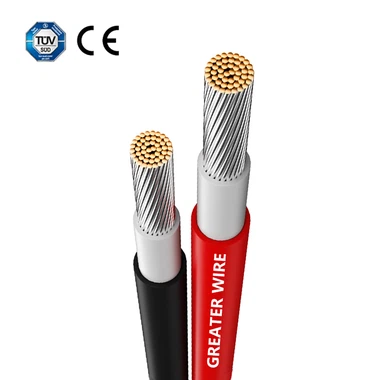
Solar cables are specifically designed for use in solar power systems. They must be capable of withstanding harsh environmental conditions, such as exposure to UV rays, high temperatures, and moisture. Solar cables are made with special insulation materials to ensure they are durable and safe.
UV Resistance: Solar cables need to be resistant to UV radiation, as they will often be exposed to sunlight. High-quality solar cables made from materials like cross-linked polyethylene (XLPE) or ethylene-propylene rubber (EPR) are designed to resist UV degradation, ensuring the longevity of the cable.
Temperature Tolerance: Solar cables are typically rated for extreme temperatures, with some cables able to operate in environments ranging from -40°C to +90°C. This ensures that the cables can function efficiently in diverse climates.
Voltage Rating: Solar cables must be able to handle the voltage output of the solar panels and transfer power safely to the inverter or electrical grid. The most common voltage ratings for solar cables are 600V and 1000V, but higher-rated cables may be used for larger commercial installations.
2.2 Solar Wires: Connecting Solar Components
Solar wires are individual conductors used to connect various components of the solar power system. While they are similar to cables, solar wires typically consist of a single conductor and are often used in specific wiring configurations within the solar panel array.
Flexibility: Solar wires must be flexible enough to be routed through various parts of the installation, whether it's between solar panels, from the panels to the inverter, or from the inverter to the electrical grid. They are often designed to be easy to install and secure in place.
Corrosion Resistance: Since solar wires are often exposed to outdoor environments, they must be resistant to corrosion, especially in areas with high humidity or salt exposure. Wires with tinned copper or aluminum conductors are commonly used to prevent rusting and ensure long-term performance.
Safety Standards: Just like solar cables, solar wires must comply with rigorous safety standards, such as the UL 4703 certification in the U.S. or IEC 60216 standards internationally. These standards ensure that the wires are capable of carrying the required current safely and without risk of overheating or short-circuiting.