

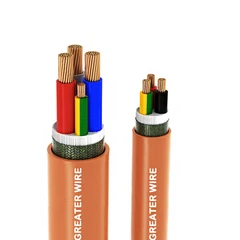
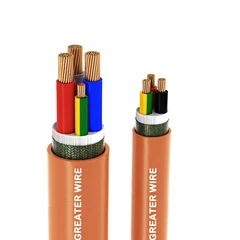

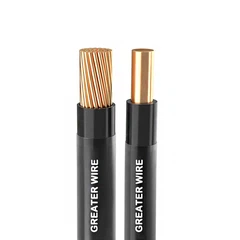
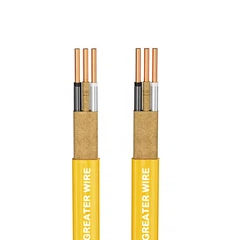
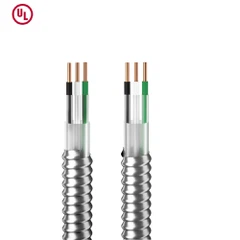
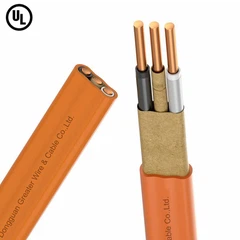
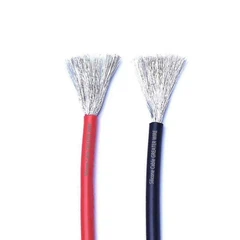
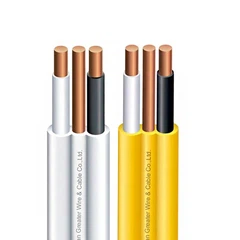
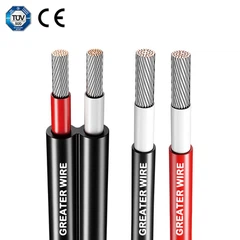

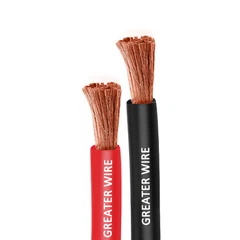
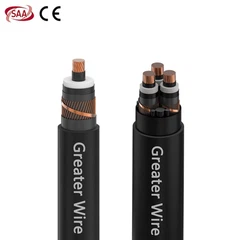
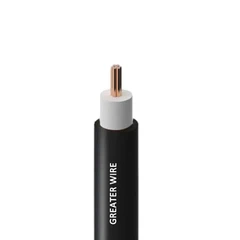
In modern electrical systems, safety and efficiency are inseparable. Among the many unseen heroes that make electricity safe to use, the grounding cable is one of the most crucial. Within grounding solutions, the bare copper wire-often known as a copper earth cable or an earth bonding cable-stands out as the most trusted and reliable choice. But what makes bare copper wire so special, and why has it become the global standard for grounding applications? Let's take a closer look.
What Is Bare Copper Wire?
Bare copper wire is exactly what its name suggests: pure copper wire without any insulation or protective coating. Unlike insulated conductors designed for current transmission in circuits, bare copper wires are mainly used to form safe grounding systems. They can be manufactured as solid conductors or stranded conductors, depending on the flexibility and mechanical strength required in the installation.
Because copper possesses one of the highest electrical conductivities of all metals, it allows fault currents to pass quickly and effectively into the ground. The lack of insulation means the entire surface of the conductor is exposed, ensuring maximum contact efficiency when used in grounding systems. Its mechanical strength, corrosion resistance, and long-term durability make it an excellent choice for both residential and industrial applications.
How Does Bare Copper Wire Work as a Grounding Cable?
The working principle of a bare copper grounding cable is simple yet highly effective. Imagine an electrical fault occurring because of insulation breakdown or a wiring defect. In such cases, the electrical current looks for the easiest and least resistant path to flow. The bare copper wire provides this low-impedance path, channeling the excess current safely into the earth.
This process prevents the dangerous buildup of energy that could otherwise cause electric shocks, equipment damage, or even fires. At the same time, the circuit breaker or fuse in the system detects the fault and disconnects the faulty circuit. Together, the grounding system and the protective device ensure both the safety of people and the stability of the entire electrical installation.
The absence of insulation on bare copper wire is not a weakness-it is, in fact, an advantage. The exposed copper surface enhances direct contact with soil, grounding rods, or metallic bonding points, thereby maximizing efficiency.

Why Use Bare Copper Wire for Grounding?
Choosing bare copper wire as the preferred grounding material is not a matter of tradition, but of proven performance. Copper has an unrivaled balance of conductivity, durability, and adaptability. Its physical and chemical properties make it a material that engineers across the globe trust for grounding and bonding applications.
Bare copper wire excels in environments ranging from dry indoor installations to moist outdoor conditions. Its ability to withstand long-term exposure without significant deterioration means reduced maintenance costs and higher reliability. Moreover, copper's versatility ensures that it can be used in different grounding systems-whether embedded in soil, bonded to metal structures, or installed as part of a lightning protection system.
While other materials may appear cheaper upfront, the life-cycle cost of bare copper wire is much lower. It lasts longer, requires less maintenance, and provides a level of safety and efficiency unmatched by alternatives.
Bare Copper Wire vs. Other Materials
To truly understand the superiority of bare copper wire, it's worth comparing it against other commonly used materials such as aluminum or galvanized steel.
| Feature | Bare Copper Wire (Copper Earth Cable) | Aluminum Wire | Galvanized Steel Wire |
|---|---|---|---|
| Conductivity | Very high (second only to silver) | ~60% of copper's | Significantly lower |
| Corrosion Resistance | Strong, stable oxide layer in soil | Prone to oxidation | Rusts quickly in humid soil |
| Durability | Long-lasting, minimal maintenance | More fragile, breaks easily | Strong but poor conductivity |
| Flexibility | Excellent, easy to install | Moderate | Low, difficult to bend |
| Cost Efficiency | Best long-term value | Low initial cost, high upkeep | Low cost but frequent maintenance |
This table makes it clear: although aluminum and galvanized steel may seem cheaper at the point of purchase, bare copper delivers unmatched reliability and long-term performance. That's why copper earth cables continue to dominate grounding applications worldwide.
Typical Applications of Bare Copper Grounding Wire
Bare copper wire is widely used in a variety of electrical installations, from small homes to large industrial complexes. Its adaptability and safety make it suitable for almost every grounding scenario.
For residential projects, bare copper wire connects the electrical system to the earth, protecting families from electric shocks and preventing equipment failures. In industrial settings, earth bonding cables ensure that heavy machinery, control panels, and metallic structures remain at the same potential, reducing electromagnetic interference and enhancing system stability.
Bare copper wire also plays a key role in substations and power plants, where it helps dissipate massive fault currents safely into the earth. In communication systems, it prevents signal disruption by stabilizing the electrical environment. Lightning protection systems rely heavily on bare copper grounding networks to carry lightning strikes into the earth without causing catastrophic damage. Renewable energy facilities, such as solar farms and wind power plants, also depend on copper grounding solutions to ensure reliable operation and long-term safety.
Is Bare Copper Wire Safe for Grounding?
The short answer is yes. Bare copper wire is one of the safest materials for grounding, provided it is installed correctly. Its superior conductivity ensures that fault currents are discharged quickly, while its durability allows it to perform reliably for decades.
Furthermore, bare copper wire complies with international safety standards and codes of practice, making it a trusted choice worldwide. Its ability to work hand-in-hand with protective devices like fuses and breakers enhances overall system safety. Whether installed in residential gardens, industrial factories, or renewable energy plants, a bare copper earth bonding cable offers peace of mind and proven protection.
Why Choose Dongguan Greater Wire & Cable Co., Ltd.?
When it comes to grounding cables, choosing the right supplier is just as important as selecting the right material. With more than 30 years of industry expertise, Dongguan Greater Wire & Cable Co., Ltd. has become a global leader in providing safe, reliable, and customized grounding solutions.
We offer a wide range of products, from standard copper earth cables to tailor-made earth bonding cables designed for specific environments. Our ability to customize materials, lengths, and structures ensures that every client receives the most cost-effective solution for their unique needs.
With over 50 international certifications, our products meet the strictest safety and performance standards. We also provide 24/7 pre-sales and after-sales service, backed by a team of professional engineers ready to support your projects. With exports to over 80 countries, our logistics network ensures fast, reliable delivery no matter where you are.
When you choose Dongguan Greater Wire & Cable Co., Ltd., you're not just buying a cable-you're investing in safety, performance, and peace of mind.
Contact Us
Dongguan Greater Wire & Cable Co., Ltd.
Tel/WhatsApp/Wechat: +86 135 1078 4550 / +86 136 6257 9592
Email: manager01@greaterwire.com