



If you have ever pulled wire through conduit, you know the feeling. The wire fights you. It drags. It snags on fittings. And when you finally get it through, you hope you never have to do it again.
Contractors who pull XHHW-2 through conduit regularly will tell you: it is different. It pulls smoother. It handles bends better. And it stays reliable longer.
This article explains why XHHW-2 is widely used in conduit installations-and why it is the preferred choice for fixed wiring in commercial and industrial buildings.
1. What Makes XHHW-2 Work Well in Conduit?
XHHW-2 has several characteristics that make it ideal for conduit installations.
- Smooth insulation surface. The XLPE insulation has a smooth, hard surface. When pulling through conduit, it creates less friction than softer insulation types. This means less pulling force required and less stress on the wire.
- Heat resistance. XHHW-2 is rated 90°C in both dry and wet locations. Conduits can get hot-especially when bundled with other conductors or exposed to sunlight. The 90°C rating means the insulation maintains its integrity at higher temperatures.
- Moisture resistance. Conduits are not always dry. Underground conduits collect water. Outdoor conduits get condensation. XHHW-2 maintains full ampacity when wet-a critical advantage.
- Abrasion resistance. The XLPE insulation resists damage from friction against conduit walls during installation. It also holds up to vibration and movement over time.
- Flexibility. XHHW-2 strands are flexible enough to navigate bends but firm enough to push through long runs without kinking.
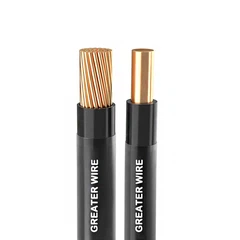
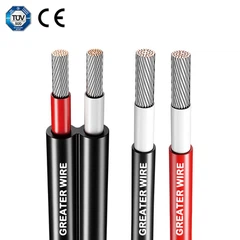
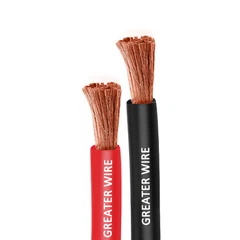
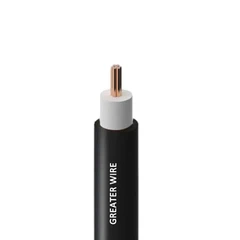
These properties make XHHW-2 copper wire for conduit a practical choice for fixed wiring in buildings, plants, and infrastructure projects. A XLPE insulated XHHW-2 wire like this is built to last.

2. Why XHHW-2 Is Preferred for Fixed Wiring
Fixed wiring means the wire is installed in a permanent location-inside walls, under floors, in ceilings. It is not intended to be moved or flexed regularly. Conduit is the most common method of installing fixed wiring.
Fixed wiring demands durability. Once the wire is in the wall, replacing it is expensive and disruptive. Contractors and building owners want wire that will last decades, not years.
XHHW-2 meets this demand. The thermoset insulation does not crack or harden with age like some thermoplastic insulations. It resists chemicals, moisture, and heat. It maintains its electrical properties over time.
The UL 44 certification on UL 44 XHHW-2 building wire provides documented proof that the wire meets these durability requirements. This is why specifiers consistently choose XHHW-2 for fixed wiring in commercial offices, industrial plants, schools, hospitals, and other permanent installations.
3. Three XHHW-2 Specifications for Conduit Installations
Different conduit installations have different wire size requirements. Here are three common XHHW-2 sizes and where they are typically used.
- 14 AWG XHHW-2 Wire – Small Branch Circuits and Control Wiring
In conduit runs that serve lighting circuits, control panels, and small branch circuits, 14 AWG is a common choice. Its small size makes it easy to pull through narrow conduits. The insulation provides reliable protection without adding unnecessary bulk.
For fixed wiring in commercial buildings, 14 AWG XHHW-2 is often used for 15A lighting circuits and control wiring. In conduit, the smooth insulation surface ensures smooth pulling through bends and fittings.
- 6 AWG XHHW-2 Wire – Sub-Feeders and Equipment Circuits
For medium-sized loads-sub-panels, HVAC units, large motors-6 AWG handles the current. In conduit, this size is manageable for pulling while providing ample capacity for equipment connections.
In fixed wiring installations, 6 AWG XHHW-2 is frequently run in conduit from main panels to sub-panels or directly to equipment. The insulation's abrasion resistance is important here-the conduit run may be long, with multiple bends that would damage lesser insulation.
For large commercial feeders and service entrances, 250 kcmil is a common size. Heavy conduit runs, long distances, and high loads are the norm.
In fixed wiring for large buildings, 250 kcmil XHHW-2 is installed in large conduits to carry power from the service entrance to main distribution panels. The XLPE insulation provides the heat resistance needed for high-current applications. The UL 44 XHHW-2 building wire certification gives confidence that the wire will handle the load safely.

4. XHHW-2 in Conduit – Installation Considerations
For contractors installing XHHW-2 in conduit, here are practical considerations.
- Use proper pulling lubricant. Although XHHW-2 has lower friction than some wire types, lubricant still helps on long pulls. Use a lubricant compatible with XLPE insulation.
- Bend radius. XHHW-2 is flexible, but avoid sharp bends that exceed the manufacturer's recommended bending radius. This prevents stress on the insulation and conductors.
- Conduit fill. Follow conduit fill tables. XHHW-2 has a specific outside diameter. Calculate fill to ensure the conduit is not overfilled, which can cause heat buildup and make pulling difficult.
- Termination. XHHW-2 strips cleanly and terminates on standard lugs. Use the correct stripping tools to avoid nicking the conductor.
- Marking. XHHW-2 is clearly printed with the manufacturer, wire type, size, and UL marking. This makes inspection and identification straightforward.
FAQ
Q1: Why is XHHW-2 better than THHN for conduit in wet locations?
THHN is rated 90°C dry but only 75°C wet unless dual-rated THWN-2. XHHW-2 is rated 90°C wet and dry. In conduits that may collect moisture, this is a significant advantage.
Q2: Can XHHW-2 be used in the same conduit as other wire types?
Yes, if all conductors have insulation rated for the voltage and conditions. Ensure proper conduit fill and derating when multiple conductors share a conduit.
Q3: What size conduit is typical for XHHW-2 installations?
It depends on the wire size and number of conductors. A single 14 AWG conductor fits in 1/2" conduit. Larger conductors like 250 kcmil typically require 2" or larger conduit. Always check conduit fill tables.
Q4: Does Greater provide UL 44 certified XHHW-2 wire for conduit?
Yes. Dongguan Greater Wire & Cable Co., Ltd. holds UL 44 certification for XHHW/XHHW-2 copper building wire. We can provide the certificate and file number upon request.

Need XHHW-2 Wire for Your Conduit Project?
Tell us about your project-wire size, conduit type, and installation conditions. We will recommend the right XHHW/XHHW-2 wire and send a quick quote.
Contact us
Dongguan Greater Wire & Cable Co., Ltd.
Tel/WhatsApp/Wechat: +86 136 6257 9592
Tel/WhatsApp/Wechat: +86 135 1078 4550
Email: manager01@greaterwire.com
Website: www.greaterwire.com