























Understanding AS/NZS 5000.1
Scope and Significance
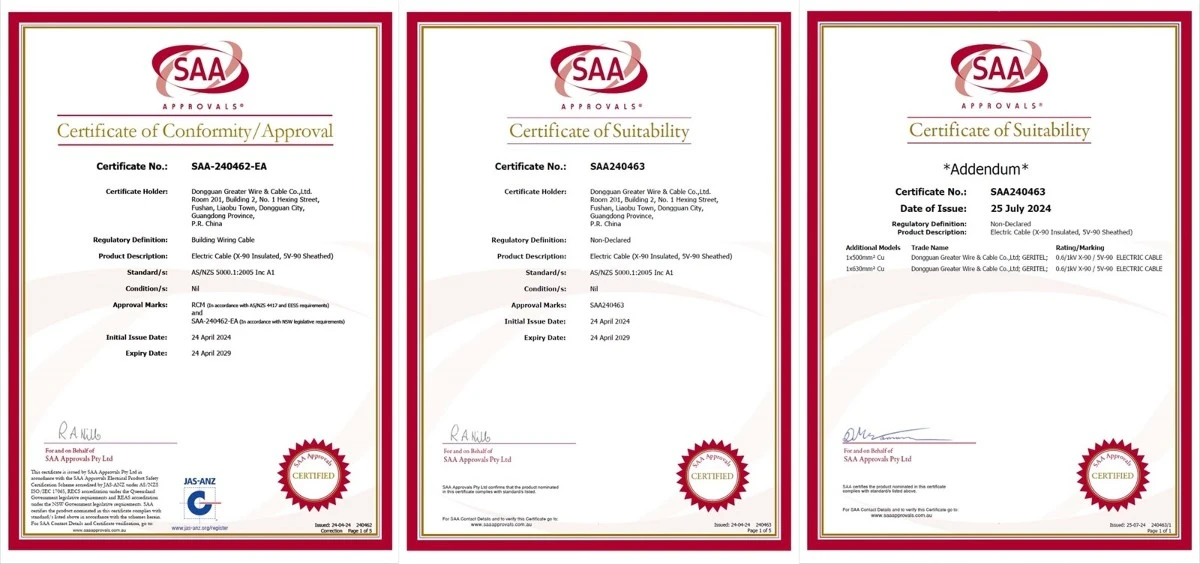
AS/NZS 5000.1 encompasses a wide range of aspects related to electrical cables. It sets out requirements for conductor materials, insulation properties, sheath characteristics, and voltage ratings. The standard's primary objective is to mitigate electrical hazards such as electric shock, fire, and short - circuits, while simultaneously ensuring efficient power transmission. By classifying cables into subcategories, it becomes easier for manufacturers, installers, and end - users to select the most appropriate cable for a given application.
General Structure of the Standard
The standard is structured in a way that first defines the basic requirements for all cables within its scope. Then, it further elaborates on specific characteristics and requirements for different cable subcategories. This approach allows for a comprehensive and detailed set of guidelines that cover the diverse needs of the electrical industry. For example, it first defines the minimum requirements for insulation resistance that apply to all cables, and then it may specify different values or additional requirements for certain subcategories based on their intended use.
Subcategories of Cables under AS/NZS 5000.1
Power Cables
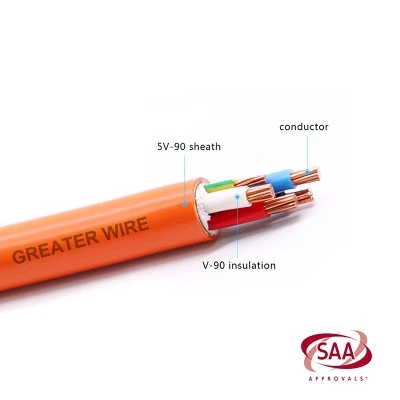
AS/NZS 5000.1 XLPE Orange Power Cable
XLPE (Cross - Linked Polyethylene) orange power cables are a significant subcategory within AS/NZS 5000.1. The use of XLPE as an insulation material offers several advantages. XLPE has excellent electrical insulation properties, which allows it to effectively prevent the leakage of electrical current. It also has a high melting point, enabling the cable to operate at elevated temperatures without significant degradation of its performance. The orange color of these cables is often used for identification purposes, especially in outdoor or industrial applications where easy recognition is crucial.
These cables are commonly used in power distribution systems, both in overhead and underground installations. In overhead power lines, their robust construction and high - temperature resistance make them suitable for withstanding environmental factors such as sunlight, wind, and temperature variations. In underground applications, the XLPE insulation provides protection against moisture and soil - borne chemicals. AS/NZS 5000.1 specifies certain requirements for the thickness of the XLPE insulation, conductor size, and overall cable construction to ensure its safe and efficient operation.
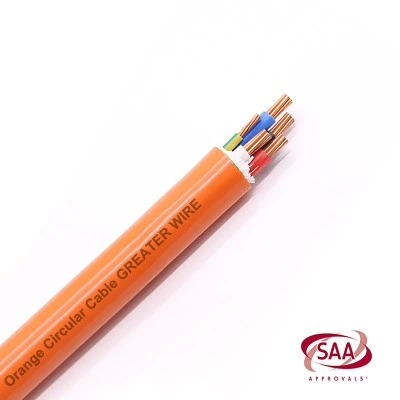
SAA XLPE PVC Power Cable
SAA XLPE PVC power cables combine the benefits of XLPE insulation and a PVC (Polyvinyl Chloride) sheath. The XLPE insulation, as mentioned earlier, provides excellent electrical insulation and thermal stability. The PVC sheath, on the other hand, offers additional protection against mechanical damage, moisture, and some chemical substances. This combination makes these cables suitable for a wide range of applications, including both indoor and outdoor use.
In indoor applications, such as in commercial buildings or industrial facilities, the SAA XLPE PVC power cables can be easily installed in conduits or trays. The PVC sheath gives the cable a certain degree of flexibility, making it easier to route around corners and through tight spaces. In outdoor applications, the PVC sheath helps protect the XLPE insulation from environmental factors. AS/NZS 5000.1 may have specific requirements regarding the thickness of the PVC sheath, the compatibility of the XLPE insulation with the PVC sheath, and the overall performance of the cable under different environmental conditions.
Armored Cables
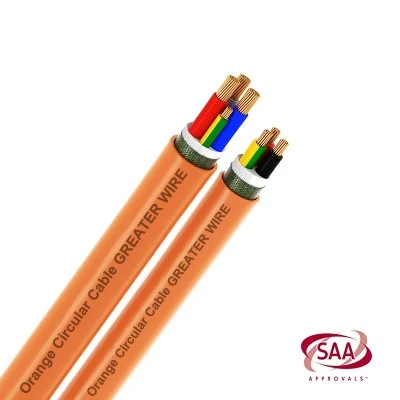
Australia 240mm 4 - core SWA Cable
The Australia 240mm 4 - core SWA (Steel Wire Armored) cable is a type of armored cable that falls under the purview of AS/NZS 5000.1. Armored cables are designed to provide additional mechanical protection to the conductors and insulation. In the case of the SWA cable, steel wires are used to form an armored layer around the inner cable components.
The 240mm cross - sectional area of the conductors in this cable indicates its high current - carrying capacity, making it suitable for applications where large amounts of power need to be transmitted. The four - core configuration is commonly used in three - phase power systems, with one core often being used as a neutral or earth wire. The steel wire armor provides excellent protection against mechanical damage, such as from accidental impacts or when the cable is installed in areas where it may be subject to physical stress. AS/NZS 5000.1 has requirements for the thickness and strength of the steel wire armor, as well as the proper grounding of the armored layer to ensure electrical safety.
Factors Influencing Subcategory Classification
Insulation Material
The type of insulation material used in the cable is a major factor in determining its subcategory. As seen with XLPE - insulated cables, their unique electrical and thermal properties make them suitable for specific applications, and thus they are grouped into relevant subcategories. Different insulation materials have different levels of resistance to electrical stress, temperature, moisture, and chemicals. For example, XLPE is more resistant to high temperatures compared to some other insulation materials, which is why XLPE - insulated power cables are often used in applications where the cable may be exposed to elevated temperatures.
Conductor Configuration
The number of conductors and their cross - sectional area also play a role in subcategory classification. Cables with different conductor configurations are designed for different electrical load requirements. A 4 - core cable like the Australia 240mm 4 - core SWA cable is configured to meet the needs of three - phase power systems, while a single - core cable may be used for different types of electrical circuits. The cross - sectional area of the conductors determines the cable's current - carrying capacity, and cables with different cross - sectional areas are classified into appropriate subcategories based on their intended applications.
Mechanical Protection
The level of mechanical protection provided by the cable is another important factor. Armored cables, such as the SWA cable, are classified separately due to their enhanced mechanical protection features. The steel wire armor in SWA cables sets them apart from non - armored cables in terms of their ability to withstand physical stress and damage. This mechanical protection is crucial in applications where the cable may be installed in harsh environments or in areas where there is a risk of accidental impacts.
Case Studies
A Large - Scale Industrial Project in Sydney
In a large - scale industrial project in Sydney, AS/NZS 5000.1 XLPE orange power cables were used for power distribution within the plant. The high - temperature resistance of the XLPE insulation was essential as the plant had several high - heat - generating processes. The orange color of the cables made it easy for maintenance crews to identify and trace the power lines. The project adhered strictly to the requirements of AS/NZS 5000.1 regarding the cable's insulation thickness and conductor size, ensuring reliable power supply to the various industrial equipment.
A Commercial Building Renovation in Auckland
During a commercial building renovation in Auckland, SAA XLPE PVC power cables were chosen for the electrical wiring. The flexibility of the PVC sheath allowed for easy installation in the existing building structure, which had limited space in some areas. The combination of XLPE insulation and PVC sheath provided the necessary electrical insulation and protection against mechanical damage. The project team ensured that the cables met the requirements of AS/NZS 5000.1, including those related to the compatibility of the two materials and the overall performance of the cable.
An Infrastructure Development Project in Melbourne
In an infrastructure development project in Melbourne, Australia 240mm 4 - core SWA cables were used for underground power transmission. The steel wire armor of the cables protected them from the mechanical stress of being buried underground and from potential damage during construction activities. The high current - carrying capacity of the cables was necessary to meet the power demands of the new infrastructure. The installation process followed the guidelines of AS/NZS 5000.1, including proper grounding of the armored layer to ensure electrical safety.
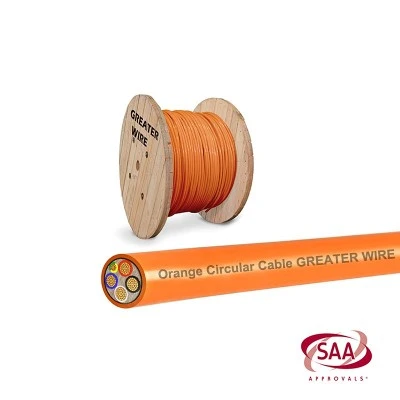
Dongguan Greater Wire & Cable Co., Ltd. specializes in manufacturing Australian SAA certified wires, and its products cover residential, commercial, industrial and other fields. With high-quality products and considerate services, we help customers reduce maintenance costs and achieve efficient and stable electrical system operation.