

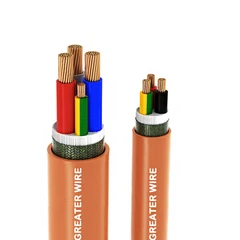
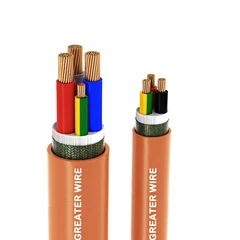


Understanding the SAA Orange Circular Power Cable
Before delving into the application of the SAA orange circular power cable in residential wiring, it is important to first understand what this type of cable is and why it is a preferred choice in electrical installations.
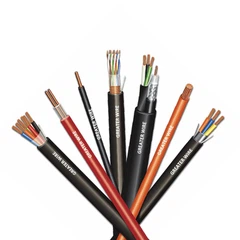
The SAA certification is a mark of quality and safety for electrical products in Australia. SAA power cables, including the orange circular power cable, are designed to meet strict Australian safety standards. These cables are used in a wide range of applications, from industrial to residential installations.
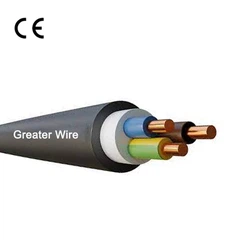
The XLPE (cross-linked polyethylene) insulation used in these cables provides exceptional electrical, mechanical, and thermal properties. XLPE insulation is known for its ability to withstand high temperatures, resist chemicals, and offer superior electrical insulation. The orange circular power cable is typically used for applications where durability and performance under heavy loads are required.
The 150mm² and 120mm² sizes of the SAA orange circular power cable are often chosen for higher-capacity installations, but understanding whether these larger cables are suitable for residential wiring requires considering various factors such as the type of load, the cable's specifications, and the specific requirements of the wiring installation.

Features of the SAA Orange Circular Power Cable
The SAA orange circular power cable offers several key features that make it an attractive option for residential wiring. These include:
1. High Electrical Conductivity
Both the 150mm² and 120mm² orange power cables use copper or aluminum conductors, which offer high electrical conductivity. This ensures efficient power transmission over long distances, reducing energy loss and ensuring a stable supply of electricity.
Copper conductors are often preferred for their superior conductivity, making them ideal for installations where electrical efficiency is a top priority.
Aluminum conductors are used in applications where weight and cost are important factors, though they have a lower conductivity compared to copper.
In residential wiring, the ability of the SAA orange circular power cable to handle high electrical loads with minimal resistance makes it an effective choice for larger installations, such as high-power appliances, air conditioning systems, and electric heating.
2. XLPE Insulation for Thermal and Chemical Resistance
The XLPE insulation used in the SAA orange circular power cable provides exceptional protection against high temperatures, moisture, and chemicals. This makes the cable highly suitable for residential wiring, especially in environments where the wiring might be exposed to extreme conditions.
High-temperature resistance: XLPE insulation can withstand operating temperatures up to 90°C, with short-term peaks of up to 250°C. This ensures the cable performs effectively in residential settings where the temperature may fluctuate due to heating, cooling, and electrical loads.
Chemical and moisture resistance: The insulation is resistant to common household chemicals, oils, and moisture. This makes the cable ideal for use in areas such as kitchens, laundry rooms, basements, and garages, where it might come into contact with water or chemical substances.
The durability and resistance of XLPE insulation contribute to the long lifespan of the SAA orange circular power cable, ensuring that residential electrical systems remain safe and reliable for many years.
3. Mechanical Strength and Durability
The SAA orange circular power cable is designed to be robust and resistant to physical wear and tear. Whether used in a conduit, embedded in walls, or run outdoors, the cable is engineered to withstand mechanical stresses such as impacts, abrasions, and vibration.
Abrasion resistance: The outer sheath of the cable is durable and resistant to cuts and abrasions, making it suitable for installation in areas where physical damage is a concern.
Impact resistance: The orange circular power cable is designed to withstand impacts, which can occur during construction or maintenance work in residential properties.
The mechanical strength of the SAA orange circular power cable ensures it can handle the stresses of residential environments, both indoors and outdoors.
4. UV Resistance for Outdoor Installations
For outdoor residential wiring, it is crucial to use cables that can withstand exposure to UV rays, as sunlight can degrade the insulation over time. The SAA orange circular power cable is designed to be UV resistant, making it suitable for outdoor applications such as garden lighting, external power outlets, and other installations where the cable is exposed to sunlight.
UV protection: The orange color of the cable helps to protect the insulation from UV radiation, preventing the material from becoming brittle and cracking over time.
This UV resistance ensures that the cable can be used safely and reliably in outdoor residential wiring applications.

Suitability of the SAA Orange Circular Power Cable for Residential Wiring
While the SAA orange circular power cable has many advantages, its suitability for residential wiring depends on several factors, including the cable size, the specific electrical requirements of the home, and local regulations. Let's explore the specific considerations that determine whether the 150mm² and 120mm² sizes are appropriate for residential use.
1. Cable Sizing
The 150mm² and 120mm² sizes of the SAA orange circular power cable are relatively large in terms of cross-sectional area, which means they are capable of handling significant electrical loads. However, for typical residential wiring, these sizes may be larger than necessary, depending on the application.
150mm² cable: This size is usually suitable for high-power applications, such as connecting the main power supply to a large home, or for wiring large appliances like electric stoves, air conditioners, or industrial-sized water heaters. It can also be used for long-distance runs where voltage drop needs to be minimized.
120mm² cable: The 120mm² size is also used in high-power applications and is suitable for areas where the demand for electricity is higher than typical residential circuits, such as dedicated circuits for large machinery or industrial appliances within the home.
For most general-purpose residential wiring (e.g., for lighting, small appliances, and outlets), smaller cables like 2.5mm², 4mm², or 6mm² are typically sufficient. However, the SAA orange circular power cable in 150mm² and 120mm² sizes would be appropriate for specific applications that require higher power capacities or for installations in larger homes with significant electrical demands.
2. Voltage Drop and Distance
The SAA orange circular power cable is designed to minimize voltage drop, especially over long distances. This is an important factor in residential wiring, as voltage drop can lead to inefficiency and potential damage to electrical appliances.
Voltage drop: The 150mm² and 120mm² cables are ideal for longer cable runs where voltage drop might be a concern. For example, if the electrical panel is located far from the area being powered, these larger cables can ensure that the voltage at the end of the cable run remains within acceptable limits.
Distance: For residential wiring, shorter runs typically don't require cables of this size. However, in large homes or in situations where power must be delivered over a considerable distance (such as outbuildings, garden lighting, or workshop installations), the larger cables help maintain voltage levels and efficiency.
3. Regulatory Compliance and Safety Standards
For residential wiring, compliance with Australian Wiring Rules (AS/NZS 3000) is mandatory to ensure safety and avoid electrical hazards. The SAA orange circular power cable, including the XLPE 150mm² orange power cable and Australia XLPE 120mm² orange circular cable, meets the necessary safety and performance standards outlined in the AS/NZS 5000.1 and other relevant standards.
Safety: The SAA certification ensures that the cables are manufactured to comply with Australian safety standards, minimizing the risk of electrical faults, overheating, or fire hazards.
Inspection and testing: During installation, the cables should be inspected for damage and tested for continuity to ensure that they meet the required standards.
Adhering to these regulations ensures that residential electrical systems remain safe and reliable.
4. Cost Considerations
While the SAA orange circular power cable offers exceptional performance, it is also more expensive than smaller cables due to its larger size and higher capacity. For most residential applications, the cost of the 150mm² and 120mm² cables may be prohibitive unless there is a specific need for high power.
Cost-effectiveness: For typical home wiring, using a cable size that matches the electrical load is the most cost-effective approach. While larger cables like 150mm² and 120mm² provide excellent performance, they may be unnecessary for standard residential circuits.

In the fierce market competition, Dongguan Greater Wire & Cable Co., Ltd. stands out with its professional production of Australian SAA certified wires. Our wire products fully reflect the concepts of safety, durability and environmental protection in design. The use of high-performance materials and advanced technology enables each Australian SAA certified wire to work stably and for a long time in various complex environments. We not only provide standard products, but also provide customized solutions according to the special needs of customers, helping customers reduce overall project costs and maximize benefits.