


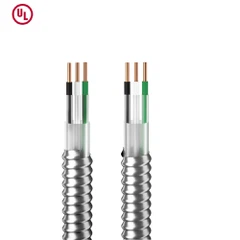
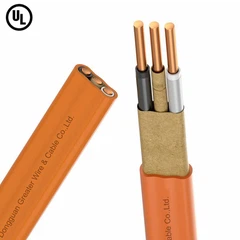
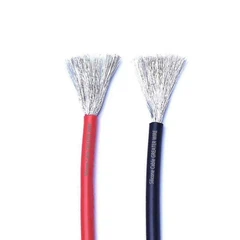
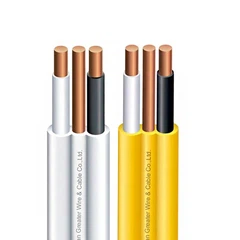
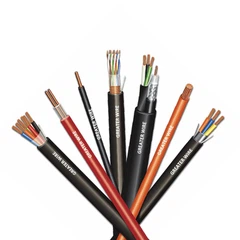
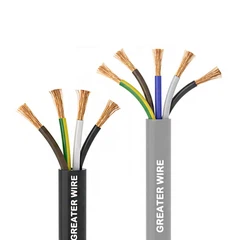
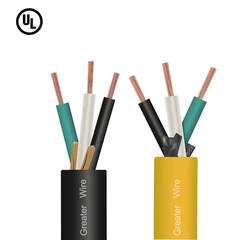
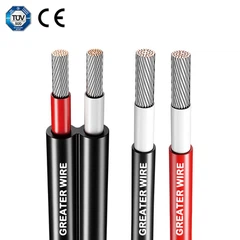

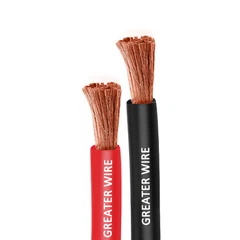
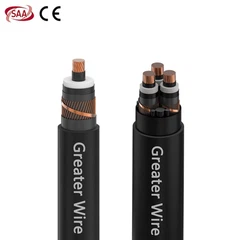
In modern residential, commercial, and industrial electrical systems, the choice of cables directly affects safety, durability, and maintenance costs. SWA (Steel Wire Armoured) cables are widely used in building mains, factory power systems, underground ducts, and overhead lines due to their excellent mechanical strength, environmental resistance, and long lifespan.
Many users, however, wonder whether SWA cables can be run directly from a socket. This question involves cable mechanical properties, electrical safety standards, and practical installation feasibility. This article will provide an in-depth analysis of SWA cable characteristics, applications, common specifications, installation considerations, and how to select the right SWA cable in real-life scenarios. We will also compare SWA cables with commonly used VV-K cables to highlight their respective advantages.
What Is SWA Cable?
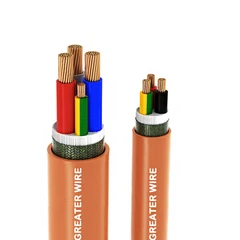
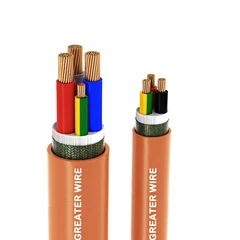
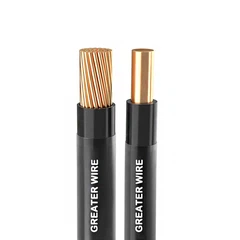
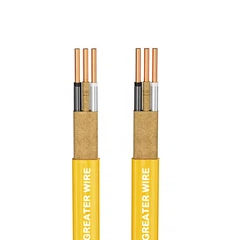
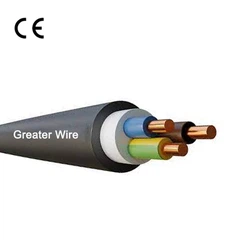
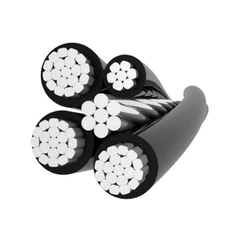
SWA cables are power cables with a steel wire armoured layer, typically composed of:
·Conductor: High-conductivity copper or aluminum ensures efficient power transmission.
·Insulation: Usually PVC or XLPE provides excellent electrical insulation.
·Filler: Keeps the cable structure tight and prevents conductor friction.
·Steel Wire Armour: Provides mechanical protection against stretching, crushing, impact, and rodent damage.
·Sheath: Protects against environmental factors such as moisture, corrosion, and UV exposure.
This structure enables SWA cables to perform reliably in harsh environments, making them suitable for underground ducts, industrial plants, bridges, outdoor lines, and large building projects.

Can SWA Cable Be Run from a Socket?
Technically, SWA cables can supply power through a socket, but there are challenges:
·Socket Box Space: SWA cables have a large diameter, which may not fit standard socket boxes.
·Bending Radius: Steel wire armour is rigid; forced bending can damage the armour or sheath.
·Electrical Standards: Directly connecting large SWA cables to sockets may not comply with IEC and local wiring regulations.
·Termination Complexity: Large SWA cables require proper crimp terminals or junction boxes to ensure reliable grounding.
For residential or small commercial wiring, the recommended approach is to use SWA cables for mains distribution, with flexible cables (like VV-K or RV-K) for socket connections, balancing mechanical strength with installation convenience.
Suitable Applications for SWA Cable
SWA cables are ideal for situations requiring mechanical protection and long-term reliability:
| Application | Description | Technical Advantage |
|---|---|---|
| Underground ducts | Buried cable installations, protected from mechanical damage | Crush-resistant, moisture-resistant, rodent-resistant |
| Industrial plant mains | Support high-power equipment and machinery | High mechanical strength, wear-resistant |
| Outdoor overhead lines | Bridges, exposed building wiring | Wind-resistant, pressure-resistant, aging-resistant |
| Residential mains entry | High-power supply entry points | Stable, reduces line damage risk |
| Ports/mines/heavy industries | High-impact environments | Impact-resistant, corrosion-resistant, tensile-resistant |
These applications show that SWA cables ensure long-term stable operation, reducing maintenance costs and minimizing the risk of unexpected outages.
Technical Comparison: SWA vs. VV-K Cable
| Feature | SWA Cable | VV-K Cable | Application | Technical Advantage |
|---|---|---|---|---|
| Armouring | Steel wire armoured | None | Industrial & underground | SWA prevents mechanical damage |
| Mechanical Strength | High | Low | High-strength environments | Crush-resistant, tensile-resistant, impact-resistant |
| Flexibility | Medium-low | High | Residential/flexible wiring | VV-K is better for socket connections |
| Environmental Resistance | Excellent | Moderate | Outdoor & damp environments | SWA is moisture & rodent resistant |
| Conductor Sizes | 16mm²–630mm² | 1.5mm²–16mm² | Low to high load | SWA suitable for high-power lines |
| Cost | Higher | Lower | Budget-limited projects | VV-K is economical |
Analysis: SWA cables are suitable for industrial, high-load, and harsh environments, while VV-K cables are ideal for residential socket connections. Using SWA for mains and VV-K for end connections balances mechanical strength with installation flexibility.
Common Specifications of SWA Cable
SWA cables offer a wide range of specifications for different load requirements:
| Cross-Section | Conductor Type | Rated Voltage | Common Length | Usage Recommendation |
|---|---|---|---|---|
| 16mm²–35mm² | Copper/Aluminum | 0.6/1kV | 100m, 200m | Residential or small commercial mains |
| 50mm²–120mm² | Copper/Aluminum | 0.6/1kV | 100m, 250m | Industrial plants and medium projects |
| 150mm²–630mm² | Copper/Aluminum | 0.6/1kV | Custom lengths | High-power transmission and large industrial projects |
Selecting the right cross-section depends on line current, length, and installation environment.

Installation Considerations
Pre-Installation Checks
·Verify line load and cable cross-section match
·Check socket box dimensions and cable bending radius
·Ensure sheath is intact and undamaged
Bending and Laying
·Follow manufacturer's minimum bending radius (usually ≥15× cable diameter)
·Avoid sharp bends and forced curves
·Maintain proper support spacing in ducts or trays
Termination
·Use suitable terminals or junction boxes for reliable grounding
·Avoid inserting rigid SWA cables directly into small socket boxes
·End connections can use VV-K or RV-K flexible cables
How to Choose the Right SWA Cable in Real Life
Choosing SWA cables involves considering:
·Load Requirements: Select the appropriate cross-section based on power, current, and line length.
·Installation Environment: Indoor, outdoor, tray, or underground; choose sheath material and armour type accordingly.
·Bending and Installation Conditions: For residential or office lines, combine with flexible cables for end connections.
·Safety Standards: Follow IEC and local codes for grounding and overload protection.
·Economics and Lifespan: Larger SWA cables are costlier upfront but reduce long-term maintenance costs.
Case Examples:
·Residential mains: SWA 16–25mm² as main cable; VV-K 2.5mm² for socket connections.
·Factory supply: SWA 95–150mm² mains, then VV-K or RV-K for flexible branch lines.
·Outdoor tray installations: SWA 185–240mm², resistant to wind and corrosion.

SWA Cable Product Advantages
Product Variety
We specialize in IEC-standard cables, offering SWA, XLPE, PVC, and other types, meeting residential, commercial, and industrial needs.
Compliance with Americas Market Standards
All products meet IEC, UL, and Americas standards for global safety and reliability.
Full Range of Specifications
From 16mm² upwards, covering all conventional sizes for various load requirements.
Fast Delivery
We provide quick delivery, supporting both large and small orders to ensure project timelines.
Technical Support
Professional technical support ensures smooth pre-sale and after-sale service for design, installation, and maintenance.
International Cooperation Experience
Years of manufacturing and exporting experience, with partners worldwide, ensures stable and reliable supply.
IEC Certification
All cables are IEC-certified, guaranteeing product performance and safety.
Customization Options
Various colors and custom options, including materials, sizes, lengths, performance, labeling, and packaging, to meet specific project needs.
Company Information
Dongguan Greater Wire & Cable Co., Ltd.
·Tel/WhatsApp/WeChat: +86 135 1078 4550 / +86 136 6257 9592
·Email: manager01@greaterwire.com
We provide high-quality, reliable cable solutions worldwide, strictly controlling every meter from raw material to finished product. Custom options are available to meet diverse project requirements.