


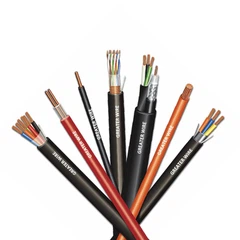
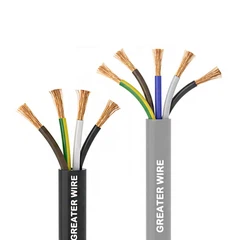
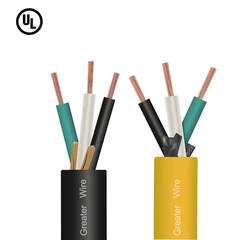
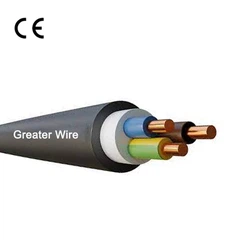
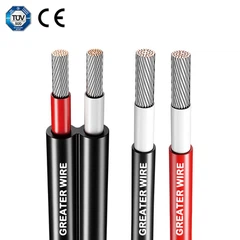

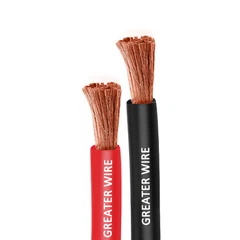
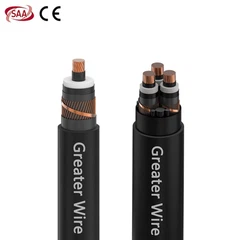
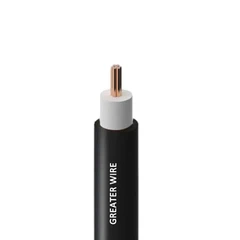
Choosing the right cable is crucial in modern residential electrical design. Armoured cables (SWA Cable) are widely used in industrial, commercial, and underground projects due to their mechanical protection, rodent resistance, and moisture-proof properties. However, they are rarely used in household wiring. Residential wiring prioritizes flexibility, ease of installation, and cost-effectiveness.
This article analyzes why armoured cables are unsuitable for residential wiring from technical, economic, installation, regulatory, and practical perspectives. It also compares them with common household cables such as RV-K cables, providing guidance for electrical engineers and homeowners.
What is an Armoured Cable
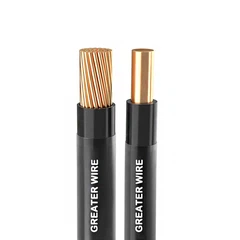
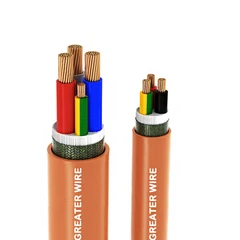
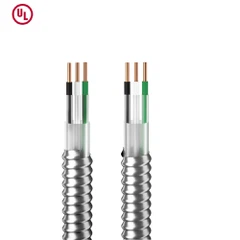
An armoured cable (SWA Cable) is a type of power cable with a steel wire or aluminium tape protective layer around the conductor. Its structure typically includes:
1.Conductor
·Material: Copper or aluminium, multi-stranded or solid.
·Characteristics: High conductivity and tensile strength, suitable for long-distance power transmission.
2.Insulation Layer
·Material: PVC or XLPE.
·Function: Ensures electrical insulation and prevents short circuits.
·Properties: Heat-resistant, aging-resistant, and stable for long-term operation.
3.Armour Layer
·Material: Steel wire or steel tape.
·Function: Provides mechanical protection against crushing, rodent damage, and excavation.
4.Sheath
·Material: PVC or polyethylene (PE).
·Function: Protects the armour layer from corrosion and moisture, extending cable life.
Typical Applications: Underground ducts, industrial plants, mines, outdoor installations, and commercial buildings in high mechanical risk areas.

Differences Between Armoured and Conventional Cables
| Feature | Armoured Cable | Conventional Household Cable (RV-K) |
|---|---|---|
| Mechanical Strength | High, crush and tensile resistant | Moderate, flexible but easily damaged |
| Moisture Resistance | High, suitable for underground | Moderate, indoor use only |
| Flexibility | Poor, large bending radius | High, easy to route |
| Cost | High | Low, cost-effective |
| Installation Difficulty | High, requires specialized tools | Low, easy to install |
| Household Suitability | Not recommended | High, meets residential load and safety standards |
Technical Analysis:
·While the steel armour provides mechanical protection, it increases weight and stiffness, making installation in residential settings difficult.
·Household cables like RV-K are flexible, easy to install in conduits and junction boxes, and meet safety standards for residential electricity.
Common Armoured Cable Specifications
Armoured cables come in a variety of conductor materials, cross-sectional areas, and insulation types. Common specifications include:
·Single-phase cables: 1×16mm², 1×25mm², 1×35mm², 1×50mm²
·Three-phase cables: 3×16mm², 3×25mm², 3×35mm², 3×50mm²
·Sheath types: PVC SWA, XLPE SWA, STA, U-1000 R2V, etc.
·Customization: Color, length, material, and performance can be tailored to client requirements.
Installation Considerations for Armoured Cables
·Bending Radius: Follow manufacturer recommendations, typically 12 times the cable diameter, to avoid armour damage.
·Armour Stripping: Use specialized tools to cut the armour without damaging the conductor.
·Termination: Use proper armour terminations to maintain mechanical protection and electrical reliability.
·Fixing and Laying: Avoid stretching or twisting, particularly in ceilings or conduits.
·Environmental Protection: Outdoor or underground installations require water and corrosion resistance; high-temperature areas require heat-resistant insulation.
Technical Tip: Improper handling of armour terminations can increase local resistance, leading to heating hazards over time.

Technical Comparison of Armoured vs. Household Cables
Armoured Cable
·High mechanical strength: resistant to impact and rodents.
·Moisture and water resistance: suitable for underground and outdoor use.
·Resistant to harsh environments: chemical corrosion and aging-resistant.
·Drawbacks: poor flexibility, complex installation, high cost.
Household Cable (RV-K)
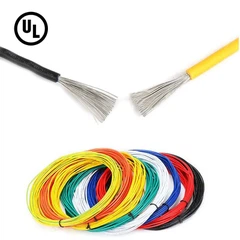
·Excellent flexibility: multi-stranded copper conductor easily bent.
·Easy installation: simple connections save time.
·Cost-effective: affordable for large-scale residential use.
·Safety compliant: heat, insulation, and fire resistance meet residential standards.
| Cable Type | Mechanical Strength | Moisture Resistance | Flexibility | Cost | Household Suitability |
|---|---|---|---|---|---|
| Armoured | High | High | Low | High | Not suitable |
| RV-K | Medium | Medium | High | Low | High |
Installation and Labor Complexity
·Armoured Cables: Armour stripping, cutting, bending, and termination require specialized tools.
·Household Cables: RV-K can be routed through conduits and fixed easily, reducing installation time by 30–40%.
Economic Considerations
·Armoured Cables: Higher material and labor costs, increasing total project cost by 25–40%.
·RV-K Cables: Affordable, easier to install, cost-effective for residential projects.
Safety Standards and Suitability
·Residential wiring must comply with IEC or local electrical codes.
·While SWA cables offer high protection, their advantages in a residential environment are limited and increase installation difficulty and cost.
·RV-K cables provide sufficient insulation, heat resistance, and fire safety for household use.
Typical Application Scenarios
| Scenario | Armoured Cable Suitability | RV-K Cable Suitability |
|---|---|---|
| Underground power ducts | High | Moderate |
| Industrial plants | High | Medium |
| Residential homes | Low | High |
| Commercial ceiling wiring | Medium | High |
| Outdoor installations | High | Low |
Comprehensive Cable Selection Guidelines
·Use flexible household cables like RV-K or NYY for residential wiring.
·Use armoured cables like PVC SWA or XLPE SWA for industrial or underground applications.
·Select cable type based on environment, installation conditions, and minimum bending radius.
·Prioritize safety and cost-effectiveness, balancing standards compliance with budget.

Product Advantages
Comprehensive Product Range
We specialize in IEC-certified cables, covering residential, commercial, and industrial applications.
Compliance with American Market Standards
All products meet North and South American electrical safety regulations.
Complete Specifications
Conventional sizes start from 16mm², meeting residential and commercial wiring needs.
Fast Delivery
Supports both small and large orders, ensuring project schedules are maintained.
Professional Technical Support
Our team provides pre-sales and post-sales guidance on cable selection and installation.
International Cooperation Experience
Years of manufacturing and export experience with global partners ensure reliable service.
IEC Certification
All products are IEC-certified, guaranteeing quality, safety, and stability.
Customization Options
Available in full color range; custom materials, specifications, lengths, performance, labeling, and packaging are provided.
Contact Us
For inquiries or purchases, please contact:
Dongguan Greater Wire & Cable Co., Ltd.
·Tel/WhatsApp/Wechat: +86 135 1078 4550 / +86 136 6257 9592
·Email: manager01@greaterwire.com
We provide high-quality wires and cables with professional technical support to ensure your projects succeed.