


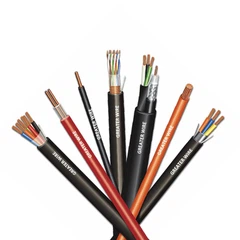
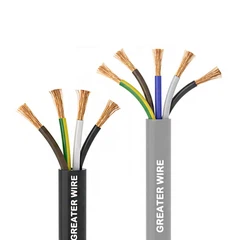
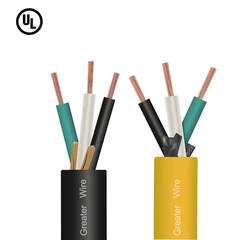
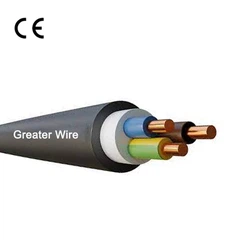
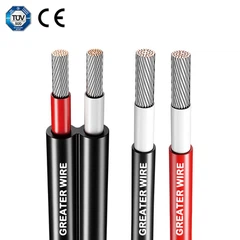

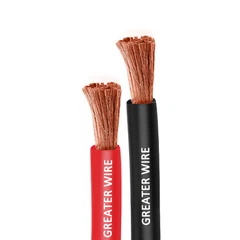
When working with modern electronics, automotive wiring, or industrial equipment, a common question arises: Can you solder silicone wire? Since silicone wire is widely known for its flexibility, heat resistance, and durability, many users wonder whether its silicone insulation might complicate the soldering process. This article provides a detailed guide to help you understand the material properties of silicone cable, the correct soldering techniques, and how to avoid common mistakes-so you can achieve strong, reliable connections every time.
Why Discuss Soldering Silicone Wire?
Soldering is one of the most widely used methods for creating reliable electrical connections. However, many people mistakenly assume that silicone electrical wire is difficult or impossible to solder due to its soft, flexible insulation. In reality, silicone wire is designed with tinned copper conductors, which are actually easier to solder than bare copper. This makes silicone cable highly compatible with modern soldering practices.
Material and Structure of Silicone Wire
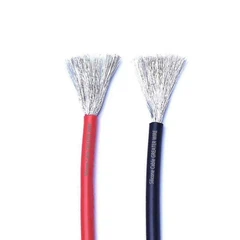
A typical silicone wire consists of two main components:
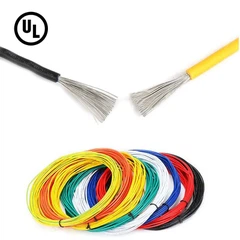
- Conductor: Finely stranded tinned copper, offering excellent conductivity, reduced oxidation, and improved solderability.
- Insulation: Flexible silicone rubber, providing superior temperature resistance and flexibility compared to PVC or rubber alternatives.
This structure ensures that flexible silicone wire not only performs well in extreme conditions but also remains easy to process and solder during installation.
High-Temperature Advantage of Silicone Insulation
One of the biggest concerns in soldering is the heat applied to the insulation. Unlike PVC, which can melt or shrink when exposed to high soldering temperatures, silicone insulation can withstand up to 200°C or higher. This means the insulation stays intact and does not degrade during soldering, ensuring long-term safety and performance.
Benefits of Soldering Silicone Wire
- Strong, Reliable Joints – Tinned copper strands form durable connections with solder.
- Heat Resistance – Silicone insulation does not melt or crack under soldering temperatures.
- Oxidation Protection – Tinned copper reduces oxidation during heating.
- Flexibility Retained – Even after soldering, the wire remains bendable, making it suitable for tight installation spaces.
Key Tips for Soldering Silicone Wire
- Strip Carefully – Use a precision wire stripper to avoid nicking the conductor strands.
- Pre-tin the Wire – Apply solder to the stripped strands before joining.
- Temperature Control – Keep the soldering iron between 350°C–400°C for optimal bonding.
- Use Heat Shrink – Protect the joint from mechanical stress and moisture.

Common Soldering Problems & Solutions
- Problem: Strands fray after stripping.
Solution: Twist the conductor tightly before soldering.
- Problem: Insulation burns or discolors.
Solution: Lower the soldering iron temperature and minimize heat exposure time.
- Problem: Weak or "cold" solder joints.
Solution: Ensure proper pre-tinning and maintain steady heat until solder fully wets the strands.
Industry Standards and Certification
High-quality silicone cables used in electronics, automotive, and medical industries typically comply with UL, VDE, and IEC standards. These certifications not only confirm electrical safety but also ensure that soldered joints maintain long-term performance in demanding environments.
Typical Applications of Soldered Silicone Wire
- Electronics – Soldered flexible silicone wires are used in PCBs, sensors, and testing equipment.
- Automotive – Under-the-hood wiring harnesses benefit from silicone cable's heat resistance.
- Aerospace – Lightweight, solderable silicone electrical wire ensures reliability under extreme conditions.
- Medical Devices – Soldered silicone wire offers safe, flexible wiring solutions for sensitive equipment.
- Renewable Energy – Solar and wind systems use silicone cable for stable soldered joints in outdoor conditions.
Future Trends: Silicone Wire in Next-Gen Applications
As industries push toward higher performance, smaller devices, and sustainable solutions, silicone electrical wire will continue to gain popularity. With growing demand in EVs, renewable energy, robotics, and medical technologies, soldered silicone cables are set to play an even more critical role in the future of safe, flexible, and durable wiring.
Our Advantages – Why Choose Greater Wire & Cable?
At Dongguan Greater Wire & Cable Co., Ltd., we deliver high-performance silicone wire solutions trusted by clients worldwide. With over 10+ years of export experience, our products have been shipped to more than 80 countries, meeting diverse regional standards. Our factory is certified under ISO 9001, ensuring strict quality management.
We also provide:
- Professional Technical Support – Expert consultation on product selection and soldering best practices.
- Fast Global Response – 24/7 online service, supporting urgent orders.
- Flexible Shipping Options – Courier, air, sea, and land transport available.
- Customization – Materials, sizes, colors, printing, and packaging tailored to your needs.
Whether you need silicone cables, silicone electrical wire, or flexible silicone wire, we offer reliable quality, fast delivery, and professional support to keep your projects running safely and efficiently.
📞 Contact Us Today:
Dongguan Greater Wire & Cable Co., Ltd.
Tel/WhatsApp/Wechat: +86 135 1078 4550 / +86 136 6257 9592
Email: manager01@greaterwire.com