

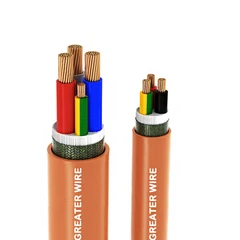
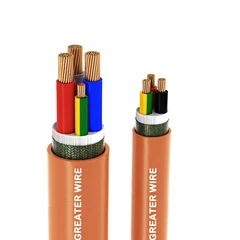

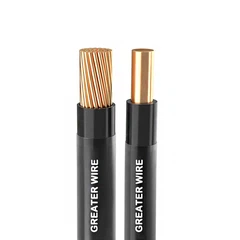
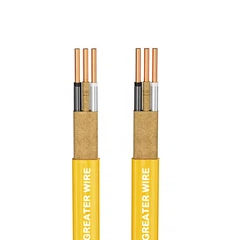

In recent years, the global transition to renewable energy has accelerated significantly. Solar photovoltaic (PV) power generation has become a cornerstone of sustainable energy development. With the continuous growth of PV installations and the expansion of utility-scale solar farms, the demand for reliable and durable cables has reached new heights.
Cables serve as the "veins" of a solar power system, transmitting energy from panels to inverters and beyond. Unlike standard building wires, PV cables must operate under harsh outdoor conditions-exposure to UV rays, extreme temperatures, humidity, and mechanical stress. Choosing the right cable type is crucial not only for safety but also for maximizing system lifespan and efficiency.
Among the most widely used cables in North America and international PV projects are UL 4703 PV Cable, RHW-2 Cable, and XHHW-2 Cable. While they share certain similarities, they differ significantly in standards, structure, performance, and application scenarios. This article provides a comprehensive comparison of these three cable types, explores their technical and practical differences, and offers insights into optimal cable selection for PV projects.
UL 4703 PV Cable Overview
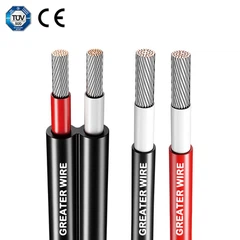
UL 4703 PV Cable is specifically designed for photovoltaic applications and has become the benchmark cable for solar DC wiring in the North American market.
Standards and Certification
UL 4703 is a standard developed by Underwriters Laboratories (UL) for PV cables. Compliance ensures superior weather resistance, electrical safety, and long-term reliability.
Structural Features
- Conductor: Stranded copper conductors for high flexibility and conductivity.
- Insulation: Cross-linked polyethylene (XLPE) insulation with excellent thermal stability.
- Jacket: UV-resistant, ozone-resistant, and weather-resistant outer sheath, suitable for outdoor and rooftop installations.
Electrical Properties
- Temperature rating: -40℃ to +90℃ continuous, up to +120℃ under short-term overload.
- Voltage rating: 600V, 1000V, or 2000V depending on design.
- Flame resistance: Meets VW-1 flame test.
Applications
- PV module interconnections.
- DC wiring between modules and combiner boxes.
- Rooftop solar systems.
- Utility-scale solar farms.
UL 4703 PV Cable is considered the most reliable choice for direct current (DC) circuits in solar power systems due to its weather resistance and long service life.

RHW-2 Cable Overview
RHW-2 Cable is a versatile electrical wire that, while not exclusively designed for PV systems, offers performance characteristics suitable for certain solar applications, especially underground and wet environments.
Standards and Certification
RHW-2 cables comply with UL 44, rated for 600V (with some enhanced designs reaching up to 2000V).
Structural Features
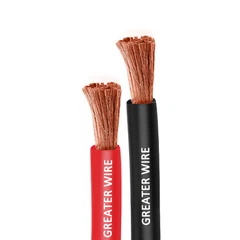
- Conductor: Solid or stranded copper conductors.
- Insulation: Cross-linked polyethylene (XLPE), providing moisture and heat resistance.
Electrical Properties
- Temperature rating: 90℃ in both wet and dry conditions.
- Flame resistance: Passes FT4 test.
- Voltage rating: Typically 600V.
Applications
- Underground power distribution.
- DC side of PV systems requiring direct burial.
- Energy storage systems.
- Damp and wet locations in commercial and industrial buildings.
The strong moisture resistance and direct burial capability of RHW-2 make it an excellent option for long-term underground solar wiring.

XHHW-2 Cable Overview
XHHW-2 Cable strikes a balance between flexibility, weather resistance, and electrical reliability. It is widely used in both industrial power distribution and photovoltaic applications.
Standards and Certification
Complies with UL 44, rated for 600V or 1000V applications.
Structural Features
- Conductor: Stranded copper or aluminum for ease of installation.
- Insulation: XLPE insulation with superior mechanical strength and UV resistance.
Electrical Properties
- Temperature rating: 90℃ in wet and dry conditions.
- Voltage rating: 600V/1000V.
- Flexible enough for rooftop and conduit installations.
Applications
- AC side wiring in PV systems.
- Commercial building distribution.
- Industrial feeder and branch circuits.
- Rooftop wiring exposed to sunlight.
The cable's flexibility and UV resistance make XHHW-2 a preferred option for AC circuits in solar energy systems.

Technical Performance Comparison
Temperature and Weather Resistance
- UL 4703: Highest weather and UV resistance, optimized for solar DC.
- RHW-2: Best for underground and wet environments.
- XHHW-2: Combines UV resistance and flexibility, ideal for AC circuits.
Voltage and Electrical Strength
- UL 4703: Available up to 2000V.
- RHW-2: Standard 600V, with upgraded designs for higher ratings.
- XHHW-2: 600V/1000V options, suitable for industrial-grade applications.
Installation Environments
- UL 4703: Outdoor PV systems, especially the DC side.
- RHW-2: Underground and damp conditions.
- XHHW-2: Rooftop and indoor AC wiring.
Comparison with THWN-2 Cable
THWN-2 Cable is another common building wire used extensively in residential and commercial projects. However, its application in PV systems is more limited.
- THWN-2: Designed for building wiring with heat and moisture resistance but less UV durability compared to UL 4703.
- UL 4703: Specifically engineered for long-term outdoor solar DC circuits.
- Conclusion: THWN-2 is suitable for indoor circuits, while UL 4703 and RHW-2 remain superior for solar-specific wiring.
Extended Application Scenarios
1.Utility-Scale Solar Farms
- UL 4703 is the primary choice for large-scale outdoor DC wiring.
2.Rooftop Solar Installations
- Both UL 4703 and XHHW-2 can be used effectively, with XHHW-2 offering easier installation.
3.Energy Storage Facilities
- RHW-2 is preferred for underground and damp circuit connections.
4.Commercial Complexes
- XHHW-2 supports dual use in AC distribution and PV wiring.
Key Factors in Selecting Professional Cables
- Temperature ratings and lifespan.
- UV resistance and long-term weather durability.
- Suitability for direct burial or conduit installation.
- Flexibility and ease of handling.
- Compliance with regional standards (UL, NEC, IEC, etc.).
UL 4703, RHW-2, and XHHW-2 Cable Comparative Table
| Cable Type | Key Differences | Core Advantages | Typical Applications |
|---|---|---|---|
| UL 4703 PV Cable | Specially designed for PV DC, UL 4703 certified, UV/weather resistant | High temperature endurance (-40℃~+90℃), UV resistance, long outdoor lifespan | Module-to-combiner connections, utility-scale solar farms, rooftop PV |
| RHW-2 Cable | UL 44 compliant, XLPE insulated, direct burial capable | Moisture resistant, underground installation, 90℃ rating | PV underground DC wiring, energy storage circuits, cable trenches |
| XHHW-2 Cable | UL 44 compliant, more flexible, easy installation | UV resistant, flexible, ideal for AC circuits | PV inverter AC side, commercial building supply, industrial feeders |
We Provide Reliable Cable Solutions
Comprehensive Product Range
We specialize in manufacturing UL-certified wires and cables, covering a full range such as THHN, THW, MC Cable, AC Cable, and more.
Compliance with the Americas Market
All cables are UL-certified, fully meeting North and South American standards.
Complete Specifications
Our product portfolio covers 600V, 1000V, and 2000V ratings to suit diverse applications.
Strong Delivery Capacity
We guarantee fast shipping and support both small and large-volume orders.
Service Advantages
Professional technical support, including pre-sales consultation and after-sales guidance, ensures worry-free usage.
Global Partnerships
With years of manufacturing and export experience, our partners span the Americas, Europe, Australia, and Southeast Asia.
UL Certification Assurance
All products undergo strict UL testing and certification for performance stability.
Customization Options
We provide tailored solutions covering materials, specifications, lengths, colors, performance features, markings, and packaging.

Company Information
Dongguan Greater Wire & Cable Co., Ltd.
- Tel/WhatsApp/Wechat: +86 135 1078 4550 / +86 136 6257 9592
- Email: manager01@greaterwire.com