


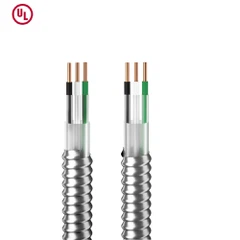
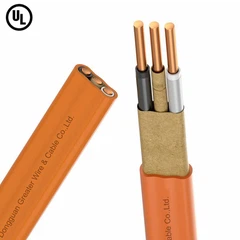
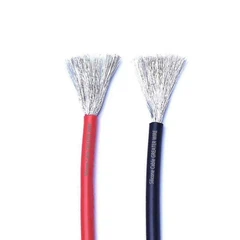
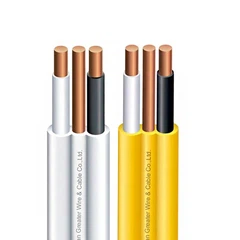
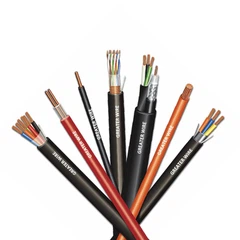
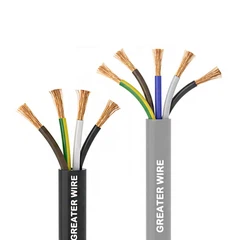
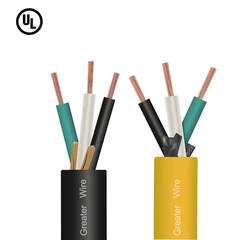
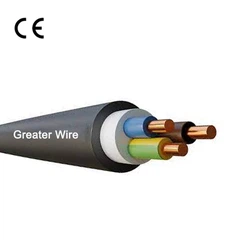
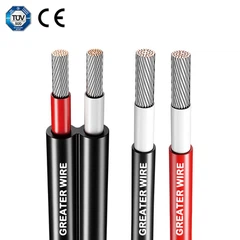

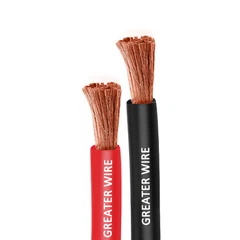
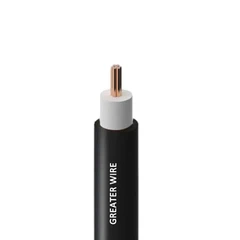
The installation of electrical wiring in high-rise buildings presents unique challenges due to the complex layout, safety regulations, and environmental conditions. Among the various types of cables used in these buildings, MC cable (Metal Clad Cable) has become a popular choice for many electrical systems due to its durability, flexibility, and safety features. However, the suitability of MC cable for high-rise buildings depends on a variety of factors such as building codes, installation requirements, and the specific needs of the electrical system.

Advantages of Using MC Cable in High-Rise Buildings
Using MC cable in high-rise buildings has several advantages, especially when compared to other types of cables. Here are some of the key benefits:
Durability and Protection
One of the primary reasons MC cable is favored for high-rise buildings is its durability. The metal sheath provides superior protection against physical damage, which is crucial in high-rise environments where cables are often subject to wear and tear. The steel or aluminum sheath prevents the cable from being easily damaged by impact, cutting, or crushing-common hazards during construction or when cables are installed in areas with heavy equipment or traffic.
Additionally, the sheath offers moisture resistance, preventing damage from water ingress. This is particularly important in high-rise buildings, which can be exposed to various weather conditions, leaks, or humidity over time. MC cable also offers resistance to corrosion, a key consideration in tall buildings where cables may be exposed to corrosive elements or placed in damp, poorly ventilated areas like basements and service shafts.
Safety
MC cables are designed with safety in mind. The metal sheath acts as a grounding conductor, helping to prevent electrical hazards such as shocks or fires caused by short circuits or faulty wiring. This makes MC cable an excellent choice for high-rise buildings, where safety is a paramount concern.
In the event of a short circuit, the metal sheath allows current to flow to the ground, preventing the buildup of dangerous heat that could otherwise result in fires. Additionally, MC cables meet stringent safety standards, such as UL 1569 in the United States, which certifies that they are safe for use in various environments, including high-rise buildings.
Fire Resistance
Another significant advantage of MC cable is its fire resistance. The outer metal sheath provides an extra layer of protection in case of a fire, helping to contain the spread of flames and reduce the risk of a fire propagating through the building's electrical system. This is particularly important in high-rise buildings, where fires can quickly spread to multiple floors, potentially jeopardizing the lives of residents and workers.
The fire-resistance capabilities of MC cable make it an ideal choice for installations in areas such as electrical rooms, elevator shafts, and riser ducts, which are critical in high-rise buildings.
Flexibility and Easy Installation
Despite its robust construction, MC cable is relatively flexible, making it easier to install in high-rise buildings where routing through tight spaces or complex layouts may be necessary. The flexibility of MC cable also reduces the need for additional conduit or protective tubing, which can save time and cost during installation.
Since MC cables can be installed without the need for external conduit in many cases, they are an efficient option for complex installations in high-rise buildings where space is limited. The ability to run the cable through vertical risers and horizontal runs without extra conduit is a significant advantage when working in high-rise environments.
Building Codes and Regulations for High-Rise Buildings
When considering MC cable for use in high-rise buildings, it is essential to adhere to local building codes and electrical regulations. These codes and regulations specify the safety standards that must be met to ensure safe and reliable installations.
National Electrical Code (NEC) in the United States
In the United States, the National Electrical Code (NEC) governs the use of electrical wiring and cables, including MC cables. According to the NEC, MC cables are suitable for use in a variety of applications, including high-rise buildings, as long as they meet certain requirements. These requirements may include:
Fire resistance: The NEC requires that cables used in high-rise buildings be rated for fire resistance. MC cables are often rated for Class 1 or Class 2 fire resistance, making them appropriate for use in high-rise environments.
Grounding and bonding: MC cables must be properly grounded and bonded to ensure the safety of the electrical system. This is particularly important in high-rise buildings, where the cable may be exposed to different environments and electrical hazards.
Conduit or protective sheath: While MC cables do not always require additional conduit, the NEC specifies that they must be used in certain installations with additional protection, depending on the application.
Local Regulations
It is also important to check with local authorities or building codes, as regulations can vary depending on the location. Some regions may have stricter requirements for electrical installations in high-rise buildings, and it is essential to ensure compliance with these regulations to avoid safety risks and legal issues.

Limitations of MC Cable in High-Rise Buildings
While MC cable offers many benefits, there are some limitations when using it in high-rise buildings. These limitations include:
Weight and Size
Compared to other types of cables, MC cables can be relatively heavy due to the metal sheath. This may be a concern when running long vertical or horizontal cable runs in a high-rise building, as the weight of the cable could add strain to the support structures. Additionally, the larger size of MC cables can make them more difficult to maneuver through tight spaces or conduit, which can be a challenge in buildings with limited space for cable management.
Cost
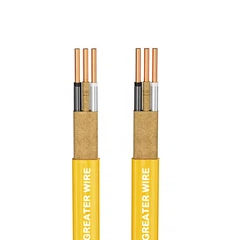
MC cables are generally more expensive than other types of wiring, such as Romex or non-metallic sheathed cables. This can make them a less cost-effective choice for certain applications, especially when the additional protection offered by the metal sheath may not be necessary. In some high-rise buildings, the higher cost of MC cables may outweigh the benefits, especially if the building is not exposed to the hazards that MC cables are designed to protect against.
Limited Use in Wet Areas
While MC cables provide excellent protection against moisture and corrosion, they are not always the best choice for environments that are consistently wet, such as outdoor areas or areas exposed to direct water contact. In these cases, more specialized cables, such as armored cables or cables rated for outdoor use, may be more appropriate.

MC cable is an excellent option for use in high-rise buildings due to its durability, safety features, fire resistance, and flexibility. It is well-suited for electrical installations in areas that require added protection from physical damage, moisture, and fire. MC cables can be used in a variety of applications, from residential wiring to complex commercial and industrial installations in tall buildings.
However, before selecting MC cable for a high-rise building project, it is essential to consider local building codes and regulations, the specific electrical needs of the building, and the potential limitations of using MC cable. While MC cable provides numerous advantages, it is crucial to assess whether its cost, weight, and size align with the requirements of the project.
Ultimately, MC cable can be a reliable and safe choice for high-rise buildings when used in accordance with relevant codes and installation best practices.
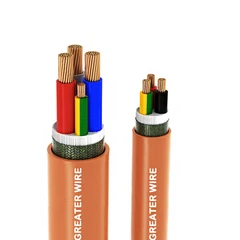
The MC Cable is engineered to meet the most demanding applications. Its features include:
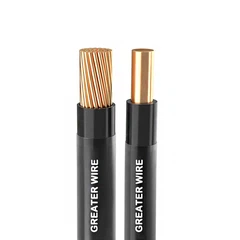
Stranded Copper for Flexibility: Allows for easy installation in tight spaces, offering greater flexibility than solid wire.
Moisture-Resistant: Suitable for use in wet or underground locations, ensuring durability and safety.
Heat Resistant: Withstands continuous temperatures up to 90°C, ensuring reliable performance in high-temperature areas.
UL & cUL Certifications: Fully meets the safety requirements for electrical installations.
For inquiries, please contact us at:
📞 Phone: +86 136 6257 9592
📧 Email: manager01@greaterwire.com
🌐 Website: www.greaterwire.com