

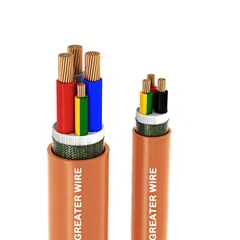
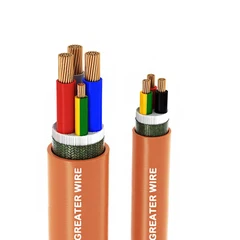

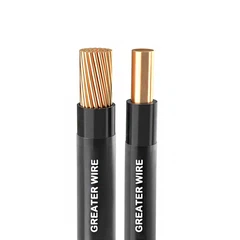
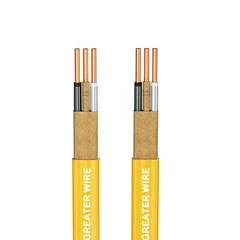
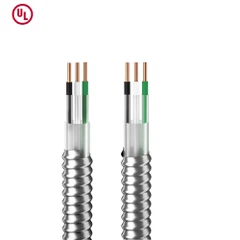
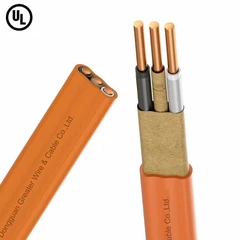
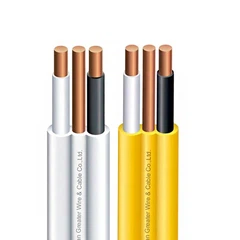
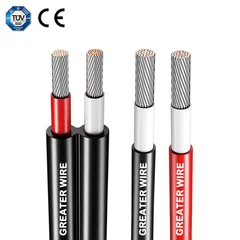

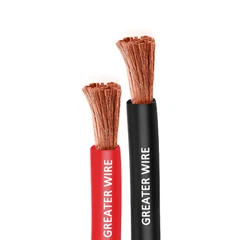
In the realm of electrical wiring and power distribution, MC cable (Metal Clad Cable) is widely used across residential, commercial, and industrial applications for its durability, flexibility, and safety. The cable features one or more conductors that are protected by a metal sheath, typically made of aluminum or steel. This sheath offers several advantages, including resistance to physical damage, moisture, and electromagnetic interference. However, a critical concern for cables exposed to outdoor environments or harsh conditions is their resistance to ozone aging.
Ozone aging refers to the degradation of materials caused by exposure to ozone (O₃), a reactive gas that can lead to the breakdown of rubber, plastics, and other insulating materials. In regions where ozone concentrations are high, such as areas with frequent thunderstorms or in industrial environments, the ability of a cable to resist ozone-induced degradation becomes an important factor in its overall performance and longevity.

What is Ozone Aging?
Ozone aging refers to the process where materials, particularly those used in electrical cables, break down or degrade when exposed to ozone gas. Ozone, which is a molecule composed of three oxygen atoms (O₃), is highly reactive and can cause the chemical bonds in certain materials to break, leading to a variety of undesirable effects, including:
Cracking and brittleness: Ozone can cause rubber and certain types of plastic to crack and become brittle.
Loss of electrical insulation: As the insulation material degrades, its ability to protect the conductors diminishes, potentially leading to electrical shorts or failures.
Physical wear: Ozone exposure can cause a change in the physical properties of materials, leading to surface damage, reduced flexibility, or deformation.
For electrical cables like MC cable, this aging process is particularly concerning if the cable is exposed to outdoor conditions where ozone levels may be higher, such as urban areas with high traffic, industrial zones, or areas with frequent thunderstorms.
Materials Used in MC Cable
To understand how MC cables respond to ozone aging, it is important to look at the materials used in their construction. MC cables consist of several key components that may vary based on the manufacturer and the intended application:
Conductors
The conductors in MC cables are typically made from copper or aluminum. These materials are not affected by ozone aging, as metals like copper and aluminum do not degrade significantly when exposed to ozone. The primary concern with ozone exposure in MC cables is with the insulation and the outer sheath that protect the conductors.
Insulation
The insulation surrounding the conductors in MC cables is typically made from PVC (Polyvinyl Chloride), XLPE (Cross-linked Polyethylene), or other plastic compounds. PVC and XLPE are commonly used due to their electrical insulating properties and durability. However, the resistance of these materials to ozone varies.
PVC insulation: PVC is relatively resistant to ozone aging, but prolonged exposure to high concentrations of ozone can cause it to degrade. PVC materials are known to become brittle and crack when exposed to ozone for extended periods. The presence of plasticizers in PVC can further accelerate this aging process.
XLPE insulation: XLPE is generally more resistant to ozone degradation than PVC. It is a thermoset polymer that forms a cross-linked structure, which provides better resistance to aging caused by ozone. XLPE is commonly used for applications where ozone resistance and longer cable life are essential.
Metal Sheath
The metal sheath in MC cable serves as both a protective covering and a grounding conductor. The most commonly used metals for this sheath are aluminum and steel. These metals do not degrade when exposed to ozone and are highly resistant to the chemical effects of ozone aging. This makes the metal sheath in MC cable an excellent barrier against external damage caused by ozone, as it acts as a shield for the more vulnerable insulation material.
Ozone Aging and its Effects on MC Cable Insulation
As discussed, ozone has the potential to degrade the insulating materials in MC cables, especially if the cables are exposed to high concentrations of ozone for extended periods. The degradation of the insulation can result in a loss of electrical performance, reduced safety, and a shorter operational lifespan for the cable. Here's a breakdown of how ozone can affect the insulation materials typically used in MC cables:
PVC Insulation Degradation
PVC, a commonly used material for cable insulation, can experience significant degradation when exposed to ozone. The plasticizers within PVC that give it flexibility are particularly susceptible to ozone. Ozone can react with these plasticizers, leading to a loss of flexibility, increased brittleness, and eventual cracking. Once PVC insulation becomes brittle, it may no longer provide adequate electrical insulation, leading to a potential failure in the cable.
XLPE Insulation Performance
XLPE (Cross-Linked Polyethylene) is more resistant to ozone aging than PVC due to its chemical structure. The cross-linking process in XLPE creates a network of bonds that make the material more stable and less susceptible to degradation. XLPE has better ozone resistance compared to PVC, making it an ideal choice for cables exposed to ozone-prone environments. It is less likely to crack or degrade when exposed to ozone, thus offering better protection and a longer service life.
However, even XLPE is not completely immune to ozone aging, particularly when exposed to extreme conditions over prolonged periods. In such cases, XLPE may still experience some degradation, albeit at a much slower rate compared to PVC.
Ozone Aging in Outdoor and Industrial Environments
In high-ozone environments, such as urban areas, industrial zones, and areas with frequent thunderstorms, the potential for ozone exposure is higher. High-rise buildings, factories, power stations, and any other infrastructure with high electrical demands may have cables that are exposed to the harmful effects of ozone over time.
For MC cables installed outdoors or in environments with high ozone concentrations, XLPE-insulated cables are typically the best choice. These cables are more resistant to ozone aging and will perform better under these harsh conditions. In contrast, PVC-insulated MC cables may need additional protective measures or periodic replacement if exposed to ozone for extended periods.
Urban Environments
In cities with high levels of traffic and industrial activity, ozone concentrations can be elevated, especially near factories, power plants, and highways. In these settings, MC cables with XLPE insulation would be more suitable, as they offer better long-term protection against ozone-induced degradation.
Outdoor Installations
Cables used in outdoor installations, such as street lighting or power distribution lines, may be exposed to ozone as well as weather elements. Again, XLPE-insulated MC cables would provide better resistance to ozone aging, allowing them to maintain their performance and longevity despite exposure to environmental factors.

Best Practices for Ensuring Longevity of MC Cable in Ozone-Prone Environments
To ensure the longevity and reliability of MC cables in environments prone to ozone aging, here are a few best practices to consider:
Use of High-Quality Insulation
When selecting MC cables for ozone-prone environments, opt for cables with XLPE insulation, which is more resistant to ozone degradation compared to PVC. This ensures that the insulation will maintain its electrical properties and prevent breakdown over time.
Regular Inspection and Maintenance
Routine inspections of MC cables can help detect early signs of ozone aging, such as cracks, brittleness, or discoloration in the insulation. Regular maintenance can help identify any potential issues before they lead to a failure, reducing the risk of electrical hazards.
Use of Additional Protective Layers
In areas with particularly high ozone exposure, additional protective coatings or jackets can be applied to MC cables. These coatings act as an extra barrier against ozone, extending the lifespan of the cable and preventing direct contact between ozone and the insulation.

MC cable is generally resistant to ozone aging, especially when the metal sheath provides an effective barrier against external elements. However, the materials used for insulation-specifically PVC and XLPE-have varying levels of resistance to ozone degradation. PVC insulation is more prone to ozone aging and may degrade faster in ozone-prone environments, while XLPE insulation offers significantly better resistance to ozone-induced aging.
For installations in areas with high ozone concentrations, XLPE-insulated MC cables are the best choice due to their superior performance and longevity. Regular maintenance, inspections, and the use of additional protective coatings can further extend the lifespan of MC cables and ensure that they remain safe and reliable for many years to come. By understanding the effects of ozone aging and taking appropriate measures, electrical engineers can ensure the durability and safety of MC cable installations in ozone-prone environments.
Dongguan Greater Wire & Cable Co., Ltd. presents the MC Cable, designed for superior performance in various power distribution systems. Product highlights include:
Stranded Copper Conductors: Maximizes electrical conductivity while providing excellent flexibility for easier installation.
Moisture-Resistant Jacket: Ensures reliability even in harsh weather conditions or wet locations.
Resistant to High Temperatures: Safe for continuous operation in temperatures up to 90°C, providing longevity in demanding environments.
UL & cUL Certified: Meets stringent safety and performance standards, ensuring reliable and secure installations.
For detailed inquiries, please reach us at:
📞 Phone: +86 136 6257 9592
📧 Email: manager01@greaterwire.com
🌐 Website: www.greaterwire.com