

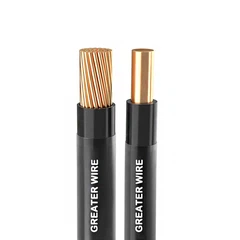

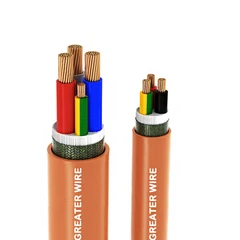
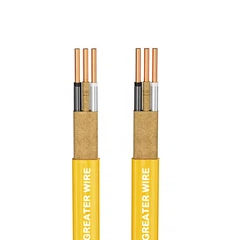
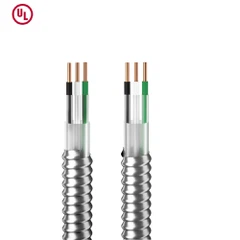
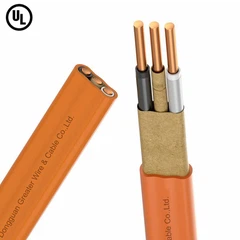
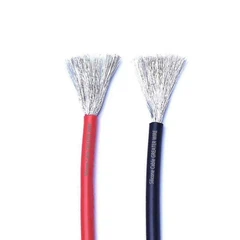
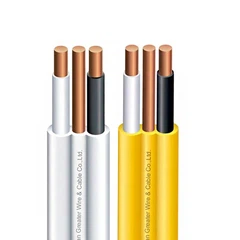
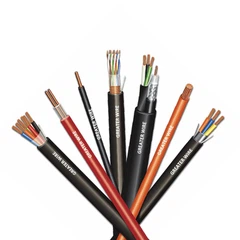
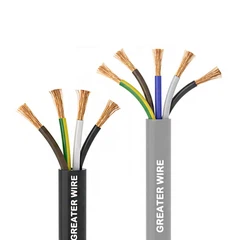
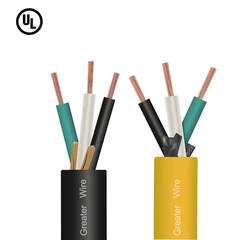
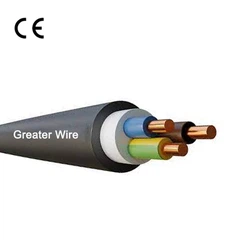
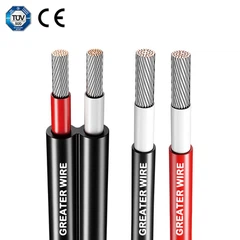

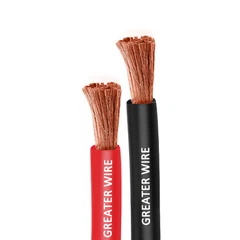
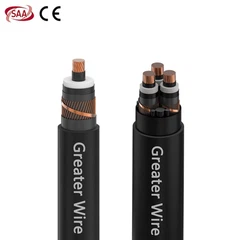
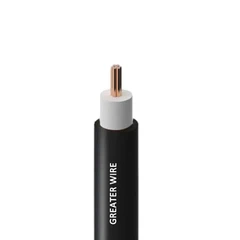

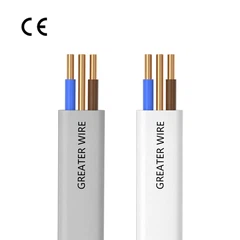
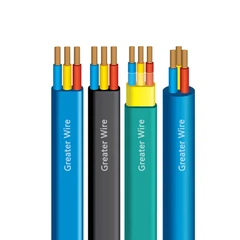
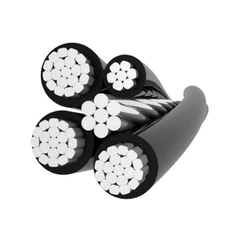
In electrical engineering, MC cables (Metal Clad Cables) are widely used for power distribution in residential, commercial, and industrial settings. These cables are highly reliable due to their durable construction, which includes a metallic sheath that provides additional protection against physical damage, corrosion, and electromagnetic interference. Among the different configurations of MC cables, 10/2, 10/3, and 10/4 are some of the most commonly used sizes. Understanding the differences between these three configurations is essential to select the right cable for your project.

Comparing 10/2, 10/3, and 10/4 MC Cables
10/2 MC Cable
10/2 MC cable consists of two conductors (one hot and one neutral) and a ground wire. The conductor size is 10 AWG (American Wire Gauge), which is typically used for circuits that require a low to moderate amount of electrical power. This type of MC cable is ideal for residential applications, where the power demand is lower.
Common Applications:
Residential electrical systems
Lighting circuits
Small power devices
Advantages and Disadvantages:
Advantages: Cost-effective and easy to install, making it suitable for low-power applications.
Disadvantages: Limited to lower power loads. Not suitable for high-power devices or complex installations.
10/3 MC Cable
10/3 MC cable has three conductors: two hot wires (each carrying a different phase) and one neutral wire, along with a ground wire. This configuration is useful for systems that require two hot conductors and one neutral conductor, which are often used in 220V applications. The 10 AWG size ensures that the cable can handle moderate power requirements.
Common Applications:
Electric stoves
Air conditioning units
Industrial machinery
Advantages and Disadvantages:
Advantages: Supports medium power applications, provides more versatility compared to 10/2 cable.
Disadvantages: More expensive than 10/2, and may be unnecessary for low-power applications.
10/4 MC Cable
10/4 MC cable features four conductors: three hot wires and one neutral wire, along with a ground wire. This cable is typically used for circuits requiring multiple phases, such as large industrial systems. It can handle high power loads, making it ideal for more complex electrical installations.
Common Applications:
Industrial power distribution
Large electrical equipment
High-power electrical systems
Advantages and Disadvantages:
Advantages: Capable of handling high-power loads, suitable for large-scale electrical installations that require multiple phases.
Disadvantages: More expensive, more complex to install, and not suitable for small or low-power applications.
Factors Influencing Cable Specification Selection
When selecting the right MC cable size, it's important to consider several factors, including the power load, installation environment, and safety requirements. The following are key considerations when deciding between 10/2, 10/3, and 10/4 cables:
Power Load Requirements
The first consideration when selecting an MC cable is the electrical load that the cable will support. 10/2 cable is ideal for low-power circuits, such as lighting or small appliances. 10/3 is better suited for higher-power systems, while 10/4 is necessary for high-load applications that require three-phase power.
Installation Environment
The environment in which the MC cable will be installed also plays a role in cable selection. If the cable will be exposed to extreme temperatures, moisture, or physical damage, it is essential to choose a cable with adequate protection. The metallic sheath of MC cables provides protection against moisture and physical wear, making them suitable for both indoor and outdoor use.
Safety Standards
Safety is a top priority when installing electrical systems. MC cables must meet specific standards, such as UL certification, to ensure they are safe for use in various electrical systems. When choosing between 10/2, 10/3, and 10/4, it's essential to select cables that meet industry standards for fire resistance, electrical conductivity, and insulation performance.
Advantages and Disadvantages of 10/2, 10/3, and 10/4 MC Cables
10/2 MC Cable
Advantages:
Cost-effective for low-power applications.
Easier and faster to install in residential settings.
Ideal for circuits with basic electrical needs.
Disadvantages:
Cannot handle high-power loads or multiple-phase systems.
May not be suitable for commercial or industrial use.
10/3 MC Cable
Advantages:
Versatile and suitable for medium-power applications.
Supports a wider range of electrical equipment compared to 10/2 cable.
Offers a balance between cost and power handling capacity.
Disadvantages:
More expensive than 10/2 cable.
May be overkill for low-power applications.
10/4 MC Cable
Advantages:
Suitable for high-power and multi-phase applications.
Ideal for industrial and commercial installations that require a high degree of flexibility and power.
Offers more versatility and can handle more complex electrical systems.
Disadvantages:
High cost.
More difficult to install due to the additional conductors.
Overly complex for simple electrical needs.

Installation and Usage Tips for MC Cables
When installing MC cables, it is essential to follow proper installation techniques to ensure the system operates efficiently and safely. Here are some tips for installing 10/2, 10/3, and 10/4 MC cables:
Ensure the cable is not subjected to excessive tension, compression, or physical damage during installation.
Choose the right conduit or cable tray for the installation, especially in environments that expose the cable to external damage.
Make sure that the ground wire is securely connected to prevent electrical faults and ensure safety.
Follow local codes and regulations to ensure that the installation meets all safety standards.
Market Trends and Innovations in MC Cables
With growing demand for efficient and durable electrical systems, MC cables are increasingly being used in various industries, particularly in power distribution and heavy machinery. Innovations in MC cable technology include the use of advanced materials for improved heat resistance, reduced electrical loss, and better corrosion resistance.
Manufacturers are also focusing on making MC cables more environmentally friendly, using sustainable materials and reducing the carbon footprint of cable production. As industries continue to evolve, the demand for more flexible, high-performance cables will likely increase, driving innovations in both materials and manufacturing techniques.

Selecting the right MC cable-whether 10/2, 10/3, or 10/4-depends largely on the specific requirements of your electrical installation. 10/2 is suitable for low-power applications, 10/3 provides a good balance for medium power demands, and 10/4 is designed for high-power, multi-phase systems. Understanding the key differences between these cable types will help ensure you choose the best option for your project, ensuring safety, efficiency, and reliability in your electrical systems.
The 10/2, 10/3, or 10/4 Copper MC Cable offers unmatched safety and performance for your electrical installations. Key features include:
Stranded Copper Conductors: Flexible design makes installation easier, especially in cramped spaces.
Moisture and Temperature Resistant: Suitable for installations in wet locations and high-temperature environments.
UL & cUL Certifications: Ensures compliance with international safety standards.
Versatile Applications: Ideal for power distribution, motor connections, and lighting systems.
For product details or pricing inquiries, please contact us:
📞 Phone: +86 136 6257 9592
📧 Email: manager01@greaterwire.com
🌐 Website: www.greaterwire.com