























1. Overview of RW90 Cable
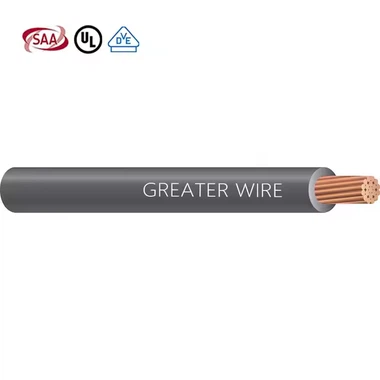
The RW90 cable is a high-performance cable designed for industrial and outdoor environments. It is typically used in areas that require high heat resistance, corrosion resistance, and abrasion resistance. The "RW" designation represents key characteristics such as resistance to moisture, heat, and aging, while the number "90" indicates that it can operate in environments with temperatures up to 90°C.
Common specifications of RW90 cables include:
Voltage Rating: Typically 600V or 1kV, suitable for general industrial use and distribution systems.
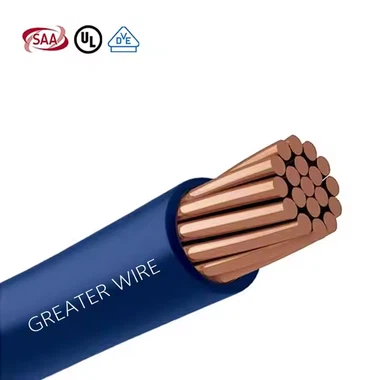
Conductor Material: Usually made of copper, offering excellent conductivity and durability.
Insulation: Uses high-quality insulation materials that provide excellent heat resistance, corrosion resistance, and water resistance.
RW90 cables are widely used in power systems, industrial automation, building electrical wiring, outdoor lighting, and other fields. They are often chosen for applications where high performance and reliability are required. As electrical systems become more widespread, RW90 cables have gained recognition for their advantages.
2. Factors to Consider When Deciding if RW90 Cable Needs Conduit
2.1 Environmental Factors
RW90 cables are known for their excellent adaptability in different environments. In outdoor or high-moisture, corrosive environments, RW90 cables often do not require conduit due to their excellent waterproof and corrosion-resistant properties. This makes them ideal for use in various applications such as building exterior electrical wiring and industrial equipment connections.
Case 1: Electrical Wiring in Building Exteriors
In certain building projects, RW90 cables are commonly used for electrical wiring on the exterior of buildings. Due to their waterproof and corrosion-resistant features, these cables can function normally even when exposed to weather conditions such as rain and sun. Therefore, in these applications, additional conduit is often unnecessary, reducing both installation and maintenance costs.
2.2 Cable Protection Requirements
The outer sheath of RW90 cables is highly resistant to abrasion and physical damage. Its design effectively prevents minor mechanical impacts and pulls, meaning that in non-exposed environments, RW90 cables may not require conduit.
Case 2: Electrical Wiring in Industrial Workshops
In some industrial workshops, RW90 cables are widely used for power distribution systems. While the workshop may be a high-temperature, high-humidity, and dusty environment, the outer sheath of the RW90 cable is sufficient to protect it from these harsh conditions. Since the cable itself has high tensile strength and durability, additional conduit protection is often not required in such environments, making installation simpler.
2.3 Installation Requirements and Standards
Depending on the country or region, electrical installation regulations may require conduit for RW90 cables in specific areas (such as high-risk zones, or areas near flammable or explosive materials). For example, some regions in the U.S. mandate that cables must be protected by conduit in fire-prone or mechanically hazardous environments.
2.4 Cost-Effectiveness Analysis
Although RW90 cables offer excellent protection, in certain cases, conduit protection may still be recommended to enhance safety and durability, especially when cables are exposed to extreme environments. While adding conduit increases installation costs, it may be worthwhile in locations where additional protection is necessary. However, in less demanding environments, the extra cost of conduit may not be justified.
3. Advantages of RW90 Cable
3.1 High Temperature and Fire Resistance
RW90 cables can withstand operating temperatures up to 90°C, making them ideal for many industrial applications. Their heat resistance ensures stable operation in high-temperature environments.
Case 3: Electrical Wiring in Power Plants
In certain power plant high-temperature areas, RW90 cables are widely used in control systems and power distribution systems. Because the cables can withstand high temperatures and have excellent fire resistance, they prevent electrical failures due to overheating. In these environments, RW90 cables not only function reliably but also reduce installation complexity.
3.2 Corrosion Resistance and Waterproof Properties
The outer sheath of RW90 cables is highly resistant to corrosion, making them ideal for chemical environments or wet conditions. In such environments, RW90 cables can be installed without the need for conduit protection.
3.3 Mechanical Strength and Pressure Resistance
RW90 cables are designed with high mechanical strength and pressure resistance. Even when exposed to moderate external forces, their internal core remains undamaged. This allows RW90 cables to be used in some environments where they might experience minor mechanical impacts without needing conduit.
4. Situations Where RW90 Cable Does Not Require Conduit
4.1 Non-Exposed Outdoor Areas
In certain non-exposed outdoor areas, such as along building walls or inside equipment, RW90 cables can typically be installed without conduit, thanks to their waterproof and moisture-resistant features.
4.2 Indoor Electrical Connections
For indoor electrical wiring, RW90 cables are often used for connecting electrical equipment due to their heat resistance and ability to resist electrical aging. In non-harsh environments, the cables can be installed without conduit.
5. Frequently Asked Questions
1. Can RW90 Cable Be Used Underground?
While RW90 cables offer excellent waterproof properties, for underground installations where they might encounter chemicals, acidic or alkaline soil, it is still recommended to use conduit for additional protection to ensure cable longevity.
2. What Is the Difference Between RW90 Cable and Standard Cables, and Why Does RW90 Not Need Conduit?
RW90 cables feature a stronger outer sheath material that provides superior abrasion resistance, corrosion resistance, and waterproof capabilities. Compared to standard cables, RW90 cables are built to be more durable, which means they can often function without the need for conduit.
3. Is RW90 Cable Safe to Use in High-Temperature Environments?
RW90 cables can operate in temperatures up to 90°C, making them safe for use in high-temperature environments such as power plants and industrial machinery. Their heat resistance ensures that they perform safely and efficiently in these conditions.
Dongguan Greater Wire & Cable Co., Ltd. provides cost-effective solutions. We recommend the most suitable specifications and models for you under the premise of ensuring UL/CSA certification and performance. We support OEM/ODM cooperation and provide exclusive discounts for bulk customers. Send us your project requirements now and let us help you calculate the most cost-effective option!