

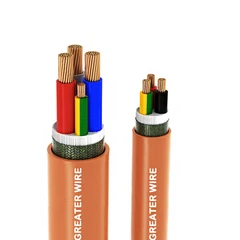
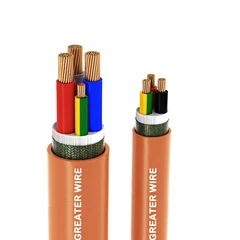

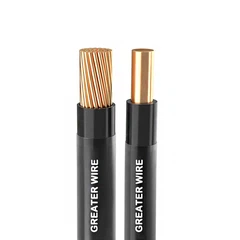
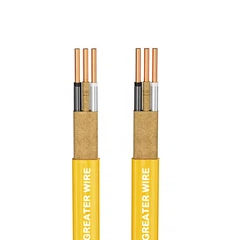
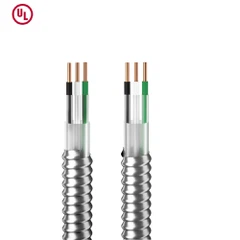
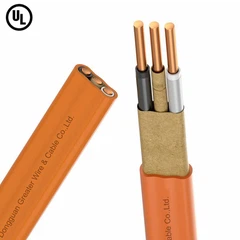
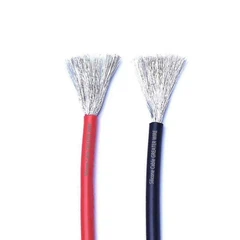
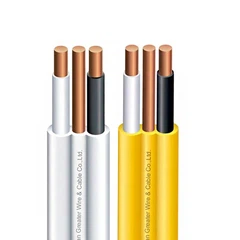
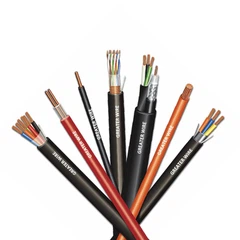
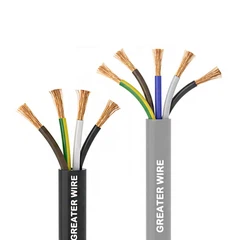
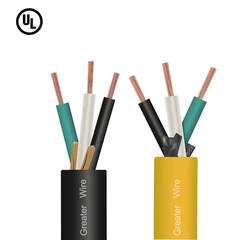
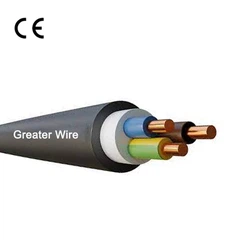
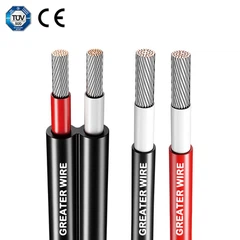

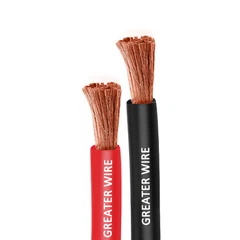
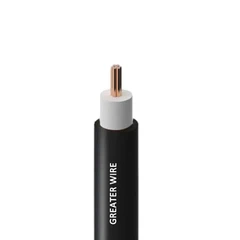
When it comes to vehicle ignition systems, spark plug wires play a critical role in delivering high-voltage current from the ignition coil to the spark plugs. The durability of these wires directly impacts engine performance, fuel efficiency, and reliability. With the growing popularity of silicone wire technology, many ask: How long do silicone plug wires last, and are they worth the investment? This article explores the lifespan of silicone plug wires, factors that affect their longevity, and best practices to maximize their performance.
Why Is the Lifespan of Spark Plug Wires Important?
The ignition system of a vehicle relies on consistent, high-voltage delivery. If plug wires degrade, the result can be misfiring, poor fuel economy, reduced engine power, and even long-term engine damage. That's why understanding how long silicone electrical wire lasts is essential for preventive maintenance. Choosing the right wire not only improves performance but also saves on repair costs.
What Are Silicone Plug Wires?
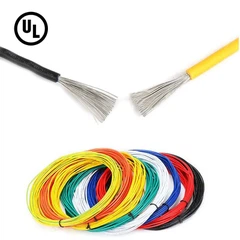
Silicone plug wires are ignition cables insulated with high-performance silicone rubber. Inside, they typically use tinned copper or copper alloy conductors to ensure excellent conductivity.
Key features of silicone plug wires (a type of flexible silicone wire):
- High dielectric strength to withstand ignition voltages
- Wide temperature resistance (-60°C to +200°C)
- Superior flexibility compared to PVC or rubber
- Resistance to oil, moisture, and chemical exposure
- Long-term durability under engine bay conditions
Unlike conventional PVC-insulated spark plug wires, silicone cables offer enhanced protection in high-heat environments, making them a preferred choice in modern automotive and industrial applications.
Average Lifespan of Silicone Plug Wires
On average, silicone plug wires last between 50,000 to 100,000 kilometers (30,000–60,000 miles) or around 5 to 8 years, depending on usage conditions. This is significantly longer than standard PVC or rubber wires, which often degrade after 3–4 years.
For high-performance engines or extreme environments, silicone wires still outperform alternatives, maintaining stability even when exposed to heat, vibration, and contaminants.

Key Factors Affecting the Lifespan of Silicone Plug Wires
Several factors determine how long silicone cable used in plug wires will last:
- Operating Temperature – High engine bay temperatures can accelerate insulation breakdown, but silicone withstands heat better than PVC.
- Mechanical Stress – Frequent bending, vibration, or improper installation can cause premature wear.
- Moisture and Oil Exposure – While silicone has good resistance, prolonged immersion can still shorten service life.
- Electrical Load – Higher ignition voltages put more stress on insulation.
- Maintenance Habits – Regular inspection and proper routing extend lifespan.
Lifespan Comparison: Silicone vs. Other Materials
| Material Type | Average Lifespan | Temperature Resistance | Flexibility | Oil & Moisture Resistance |
|---|---|---|---|---|
| Silicone Wire | 5–8 years / 50k–100k km | -60°C to +200°C | Excellent | Excellent |
| PVC Wire | 2–4 years / 30k–50k km | -20°C to +105°C | Moderate | Poor |
| Rubber Wire | 3–5 years / 40k–70k km | -40°C to +90°C | Good | Moderate |
How to Tell When Silicone Plug Wires Need Replacement
Signs that it's time to replace your silicone cable spark plug wires include:
- Cracks or brittleness in the insulation
- Engine misfires or rough idling
- Reduced acceleration or fuel efficiency
- Visible arcing or burn marks
- Corrosion at the terminal ends
How to Extend the Lifespan of Silicone Plug Wires
- Proper Installation – Avoid sharp bends and secure wires away from hot exhaust parts.
- Regular Cleaning – Remove oil, dust, and road debris to prevent surface degradation.
- Use Protective Sleeves – In extremely hot zones, additional insulation sleeves can improve longevity.
- Scheduled Maintenance – Replace spark plugs in time to reduce load stress on ignition wires.
Lifespan Performance in Different Applications
- Standard Passenger Cars – Typically last 5–7 years with normal driving conditions.
- High-Performance Engines – Last 3–5 years, due to higher ignition voltages and temperatures.
- Industrial Generators – Can last 8+ years when properly maintained.
- Marine Applications – Last slightly shorter (4–6 years) due to high humidity and salt exposure.
Our Advantages – Global Expertise You Can Trust
At Dongguan Greater Wire & Cable Co., Ltd., we specialize in high-performance silicone wire, silicone cable, silicone electrical wire, and flexible silicone wire with proven reliability and certification.
- 50+ Certifications – UL, TUV, SAA, BPS, CE, CB, and more, tailored to global markets.
- 30+ Years of Manufacturing Experience – Trusted expertise across multiple industries.
- Advanced Production Equipment – International extrusion, drawing, cabling, and sheathing lines.
- Complete Product Range – Covering all types of silicone wires and cables.
- Professional Technical Team – Offering tailored engineering support and consultation.
- Worry-Free After-Sales – Dedicated support to ensure long-term reliability.
Whether for automotive, industrial, or renewable energy projects, we deliver safe, durable, and cost-effective silicone cable solutions.
📞 Contact Us Today
Dongguan Greater Wire & Cable Co., Ltd.
Tel/WhatsApp/Wechat: +86 135 1078 4550 / +86 136 6257 9592
Email: manager01@greaterwire.com