























When choosing electrical wiring, one of the most important considerations is its current carrying capacity. Selecting the wrong wire size or insulation material can result in overheating, voltage drops, or even electrical hazards. For high-performance applications, 10 gauge silicone wire has become increasingly popular due to its ability to combine flexibility, durability, and excellent electrical performance. In this article, we'll break down the technical details of silicone wire, specifically 10 AWG silicone cable, and provide a clear guide for consumers to make the right purchase decision.
Why Does Current Carrying Capacity Matter?
Current carrying capacity determines how much electrical current a wire can safely handle without overheating or degrading over time. Using a wire with insufficient ampacity may lead to insulation breakdown, fire hazards, or inefficient operation. For this reason, engineers, electricians, and hobbyists must carefully match wire gauge, insulation material, and application needs.
What Is 10 AWG Silicone Wire?
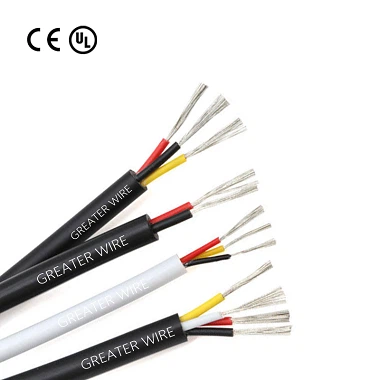
10 AWG silicone electrical wire is a type of flexible silicone cable that uses tinned copper conductors with high strand counts for superior conductivity and bendability. Its insulation is made from silicone rubber, known for its high-temperature resistance, flexibility, and safety properties. Compared to PVC or rubber wires, flexible silicone wire is more reliable under demanding electrical and environmental conditions.
Rated Current Range of 10 AWG Silicone Wire
In general, 10 AWG silicone wire can handle between 30–60 amps, depending on operating temperature, installation method, and insulation rating. Under normal conditions (ambient temperature ~30°C, free air circulation), 10 gauge silicone cable typically supports around 30–40 amps continuous current. In high-temperature environments, the ampacity can extend higher, but derating factors must be applied for safety.
The Effect of Temperature on Ampacity
One of the biggest advantages of silicone insulation is its excellent thermal stability. While PVC insulation begins to soften or degrade around 70–90°C, silicone cable can withstand continuous temperatures of -60°C to +200°C. This means that 10 AWG silicone electrical wire can carry more current in high-temperature applications compared to conventional wires, as the insulation remains intact and flexible.
Conductor Material and Current Capacity
The conductor material significantly affects performance. Tinned copper, commonly used in silicone wire, offers excellent conductivity while resisting corrosion in humid or chemically aggressive environments. Compared to aluminum or low-grade copper, tinned copper provides more stable current flow, ensuring longer service life and safer operation.
Conductor Material and Current Capacity
The conductor material significantly affects performance. Tinned copper, commonly used in silicone wire, offers excellent conductivity while resisting corrosion in humid or chemically aggressive environments. Compared to aluminum or low-grade copper, tinned copper provides more stable current flow, ensuring longer service life and safer operation.
Comparing 10 AWG With Other Wire Gauges
Wire gauge selection is about balancing flexibility, current capacity, and application needs. For example:
| Wire Gauge | Typical Ampacity (Silicone Wire) | Common Applications |
|---|---|---|
| 12 AWG | 20–30A | Household appliances, LED lighting |
| 10 AWG | 30–60A | Solar power, automotive wiring, robotics |
| 8 AWG | 50–80A | Industrial equipment, high-power inverters |
| 6 AWG | 70–120A | Battery banks, large motors |
This shows that 10 AWG silicone wire strikes an excellent balance between flexibility and electrical capacity, making it suitable for both residential and industrial uses.
Application Scenarios for 10 AWG Silicone Wire
Practical uses of 10 AWG silicone cable include:
- Solar power systems: connecting panels to inverters where UV and heat resistance are critical.
- Automotive and marine wiring: enduring vibration, humidity, and high engine temperatures.
- Battery connections: in robotics, drones, or electric vehicles requiring stable high-current flow.
- Industrial machinery: for heating elements, motors, or high-power circuits that demand durable insulation.
Why Choose Greater Wire & Cable?
With over 10 years of export experience, Dongguan Greater Wire & Cable Co., Ltd. has successfully delivered silicone wire, silicone cable, silicone electrical wire, and flexible silicone wire products to more than 80 countries and regions, fully understanding and complying with international standards. We support small batch and sample orders, offering flexibility for both large and small-scale projects. Our logistics solutions are designed to meet urgent demands, with options including split shipments, expedited orders, and warehouse distribution. With a professional technical support team available 24/7, we provide fast responses and expert guidance for every project. Greater Wire & Cable ensures that every customer benefits from reliable performance, fast delivery, and complete technical support, making us a trusted partner in the global cable industry.
📞 Contact Us Today
Dongguan Greater Wire & Cable Co., Ltd.
Tel/WhatsApp/Wechat: +86 135 1078 4550 / +86 136 6257 9592
Email: manager01@greaterwire.com