







With the growing interest in renewable energy sources, solar power systems have become an increasingly popular choice for homeowners and businesses alike. Whether you are looking to reduce your electricity bills, minimize your carbon footprint, or gain energy independence, installing a solar power system can be a significant step forward. One of the most common questions people ask when considering a solar installation is, "How many solar panels do I need for a 10 kW system?"
To determine the number of solar panels required for a 10 kW solar system, several factors must be considered, including panel efficiency, sunlight hours in your area, and system losses. Additionally, while solar panels are the most visible and talked-about component of a solar system, solar cables and solar wires also play a critical role in ensuring efficient power delivery and system longevity. In this article, we will explore how many solar panels are needed for a 10 kW system, what affects solar panel performance, and the importance of cables and wires in a solar installation.

Understanding the Basics: What is a 10 kW Solar System?
A 10 kW solar system refers to the total electrical power that the system can generate under ideal conditions. The "kW" stands for kilowatt, which is a unit of power. A 10 kW system can produce 10 kilowatts of electricity per hour under optimal sunlight conditions, meaning that during peak sunlight hours, it would generate about 10,000 watts of electricity.
The energy generated by solar panels depends on several factors:
The capacity of the solar panels (measured in watts per panel)
The sunlight hours available in the location
The efficiency of the panels
The system losses, which include energy losses during transmission and conversion
For a 10 kW system, it's important to determine the number of solar panels required to achieve this output, taking into account the factors mentioned above.

Factors Affecting How Many Panels Are Needed for 10 kW
There are several factors that influence how many solar panels you need for a 10 kW solar system:
1. Panel Wattage
Solar panels come in various wattage ratings, which refer to the amount of power a panel can produce under optimal conditions. Most residential solar panels have wattages ranging from 250 watts to 400 watts per panel.
For example:
If you are using 300-watt solar panels, each panel will produce 300 watts of power under peak sunlight.
If you are using 350-watt panels, each panel will produce 350 watts.
The higher the wattage of each panel, the fewer panels you'll need to achieve the same system output.
To calculate the number of panels required for a 10 kW system, you can use this formula:
Number of Panels=System Size (in watts)/Panel Wattage (in watts)
For a 10 kW system using 300-watt panels:
Number of Panels=10,000 watts/300 watts per panel=33.33 panels
Thus, you would need about 34 panels to achieve 10 kW of power.
For 350-watt panels:
Number of Panels=10,000 watts/350 watts per panel=28.57 panels
So, you would need approximately 29 panels.
2. Solar Panel Efficiency
Efficiency is the percentage of sunlight that a solar panel can convert into usable electricity. Higher efficiency means more electricity per square meter of space, and thus fewer panels are needed for a given system size.
Monocrystalline panels are generally the most efficient, with an efficiency rating between 18% and 22%.
Polycrystalline panels are slightly less efficient, usually around 15% to 18%.
Thin-film panels are the least efficient, with efficiencies between 10% and 13%.
Higher efficiency panels, while more expensive, can reduce the total number of panels required for a 10 kW system.
3. Location and Sunlight Hours
Your location plays a significant role in determining how much energy a solar panel can produce. The amount of sunlight your area receives each day, also called solar irradiance, varies significantly depending on your geographic location.
Regions with more sunlight (e.g., Arizona, California, parts of Australia) can generate more electricity from their solar panels, which means that fewer panels may be required to meet your energy needs.
Cloudier regions or areas with less direct sunlight (e.g., Northern Europe or the Pacific Northwest) may require more panels, as the solar output per panel will be lower.
You can determine your area's average daily sunlight hours using tools like the PVWatts Calculator or consult local solar energy companies for estimates based on local conditions.
4. System Losses
It is important to account for system losses that occur during the conversion of direct current (DC) from the panels to alternating current (AC) used in your home or business. On average, solar systems experience about 10% loss due to inefficiencies in the inverter, wiring, and other components. This means that in practice, you may need slightly more panels than the theoretical calculation.

Calculating the Number of Panels for a 10 kW Solar System
Now that we understand the key factors, let's calculate how many panels you need for a 10 kW solar system under different conditions.
1. Using 300-Watt Panels
For 300-watt panels and assuming optimal conditions (ideal sunlight and low system losses), you would need:
Number of Panels=10,000 watts/300 watts per panel=33.33 panels
Thus, 34 panels would be required to achieve a 10 kW solar system.
2. Using 350-Watt Panels
For 350-watt panels, assuming optimal conditions:
Number of Panels=10,000 watts/350 watts per panel=28.57 panels
So, you would need around 29 panels.
3. Accounting for System Losses
If we account for 10% system loss, the total number of panels required increases slightly:
Adjusted System Size=10,000 watts×1.10=11,000 watts
For 300-watt panels:
11,000 watts/300 watts per panel=36.67 panels⇒37 panels
For 350-watt panels:
11,000 watts/350 watts per panel=31.43 panels⇒32 panels

The Role of Solar Cables and Solar Wires in a 10 kW System
Once you have determined how many panels you need for your 10 kW system, it's crucial to understand the role of solar cables and solar wires in ensuring the system operates efficiently.
1. Solar Cables
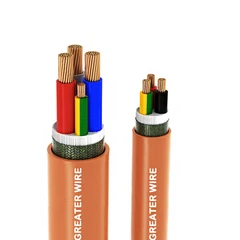
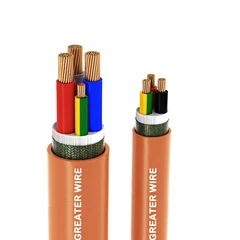
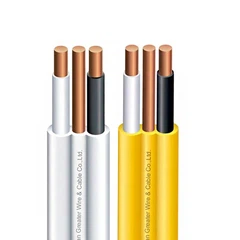
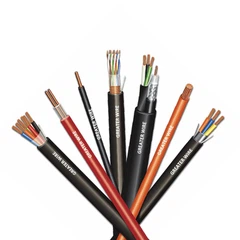
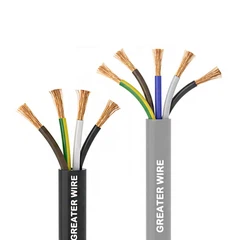
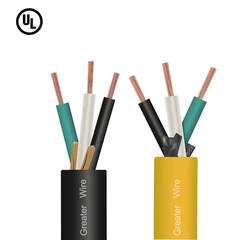
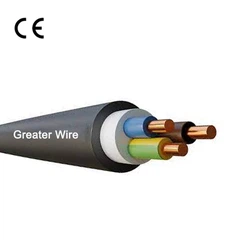
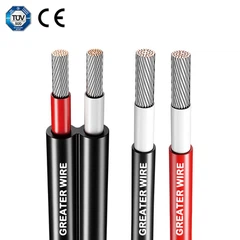
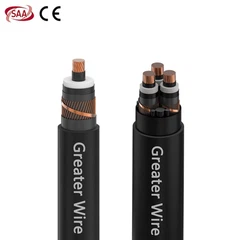
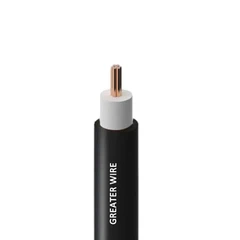
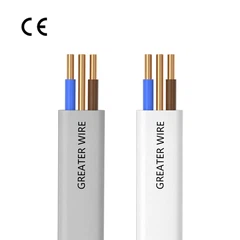
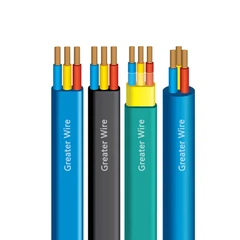
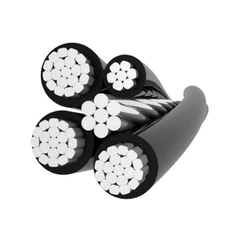
Solar cables are specifically designed to connect solar panels to the inverter and the electrical grid or battery storage. These cables must be durable, weather-resistant, and capable of handling the high voltage and current that solar systems generate.
TUV-rated cables: These are high-quality cables that are certified for use in solar installations and are designed to resist UV degradation, extreme temperatures, and other environmental factors. These cables are typically used for DC connections between solar panels and the inverter.
MC4 Solar Cables: The MC4 connector is the most common connector for solar systems. These cables are used to connect solar panels in series or parallel configurations to maximize power generation.
2. Solar Wire Gauge
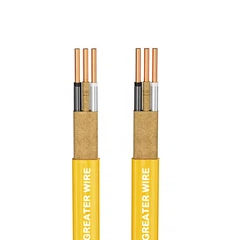
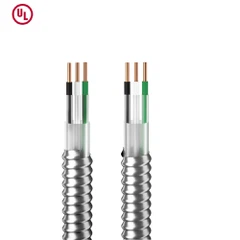
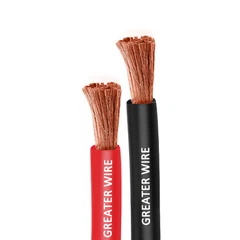
The gauge of the wire used for your solar installation is another important consideration. The wire size affects the amount of current it can safely carry and minimizes losses due to resistance. For a 10 kW solar system, the wire gauge used typically ranges from 10 AWG to 6 AWG, depending on the distance between the panels and the inverter, and the expected current.
10 AWG: This wire gauge is commonly used for short distances between the panels and the inverter, and it's typically suitable for systems with a voltage of around 600V or lower.
6 AWG: For longer distances, or for systems that operate at higher voltages, a thicker wire such as 6 AWG is needed to prevent voltage drop and reduce energy losses.
3. Wiring for the Inverter
Inverters need to be connected to the solar array using appropriate wiring. The gauge of the wire needed depends on the current the inverter is designed to handle. A 10 kW inverter may require 8 AWG to 6 AWG cables depending on the inverter's specifications.