








In recent years, solar power has become an increasingly popular energy solution for homes and businesses. As people seek to reduce their electricity bills and carbon footprints, the demand for solar photovoltaic (PV) systems has grown significantly. One of the most common questions potential solar customers ask is: How much is a 7 kW solar system? The answer to this question depends on several factors, including the type of panels, installation costs, geographic location, and the system's components like solar cables and solar wires.
In this article, we will explore the costs associated with a 7 kW solar system, the components involved (including the important role of solar cables and wires), and the factors that can influence the final price.

What is a 7 kW Solar System?
A 7 kW solar system refers to the total electrical power generation capacity of the solar panels installed. The "kW" stands for kilowatt, which is a unit of power equivalent to 1,000 watts. A 7 kW solar system can generate 7 kilowatts of electricity under optimal sunlight conditions, though the actual amount of electricity produced can vary based on several factors such as panel efficiency, geographic location, and daily sunlight hours.
A 7 kW solar system is typically suited for larger homes, small businesses, or farms with higher energy consumption. It is capable of generating between 28 kWh and 35 kWh per day, depending on the geographic location and the time of year. This is enough to cover the energy needs of an average home with multiple occupants, especially if the home uses electricity for heating, cooling, and high-power appliances.

Factors Influencing the Cost of a 7 kW Solar System
The cost of a 7 kW solar system can vary significantly based on several key factors:
1. Type of Solar Panels
The type of solar panels you choose plays a significant role in the overall cost of the system. There are three main types of solar panels, each with different price points and efficiencies:
Monocrystalline Solar Panels: These panels are made from a single continuous crystal structure, which makes them highly efficient (18% to 22%) and more expensive. They are generally priced higher than other types of solar panels but provide more power per square foot, which can be valuable for homes with limited roof space.
Polycrystalline Solar Panels: These panels are made from silicon crystals that are melted together, resulting in slightly lower efficiency (15% to 18%) compared to monocrystalline panels. Polycrystalline panels are typically more affordable, making them a good option for homeowners with larger roof spaces who are looking for a cost-effective solution.
Thin-Film Solar Panels: These are the least expensive panels in terms of upfront cost but are also the least efficient (10% to 13%). Thin-film panels require more roof space to generate the same amount of energy as monocrystalline or polycrystalline panels, which can increase the overall system size and installation cost.
2. Location and Sunlight Hours
The amount of sunlight your area receives directly affects the efficiency and performance of your solar system. Regions that receive abundant sunlight, such as those closer to the equator, will generate more electricity than regions with less sunlight. In sunny locations, a 7 kW system may generate more electricity and require fewer panels, while in cloudier areas, more panels or a larger system may be necessary to meet the same energy needs.
3. Installation Costs
Installation costs can vary depending on the complexity of the system, roof type, and labor rates in your area. A standard 7 kW system typically requires between 20 to 30 solar panels, plus additional components like inverters, wiring, and mounts. Installation costs generally range from $0.50 to $1.00 per watt, which means you could pay anywhere from $3,500 to $7,000 for labor and setup in addition to the cost of the panels themselves.
4. Solar Inverter Costs
An inverter is an essential part of the solar system that converts the direct current (DC) electricity generated by the panels into alternating current (AC) electricity, which is used by your household appliances. The cost of an inverter can vary based on the type and brand, but for a 7 kW system, a high-quality inverter typically costs between $1,000 and $2,000.
There are two main types of inverters:
String Inverters: These are the most common and cost-effective option. They connect all the panels in a series, converting the DC power into AC. They are ideal for systems with uniform shading and roof angles.
Microinverters: These are installed on each individual solar panel, allowing for better performance in situations where panels might be shaded at different times of the day. Microinverters tend to be more expensive but are ideal for homes with partially shaded roofs.
5. Solar Cables and Wires
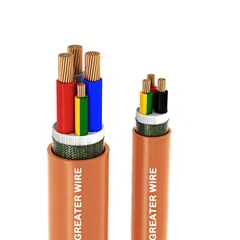
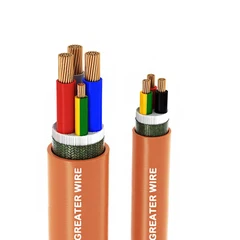
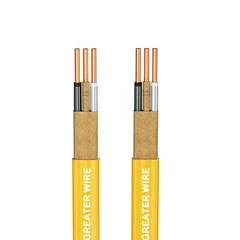
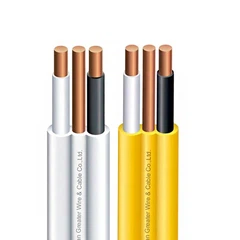
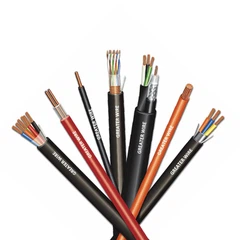
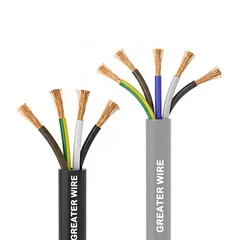
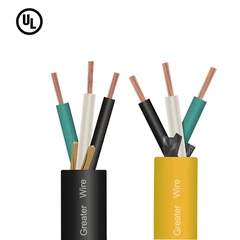
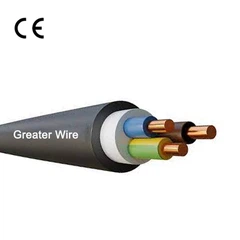
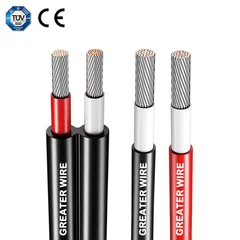
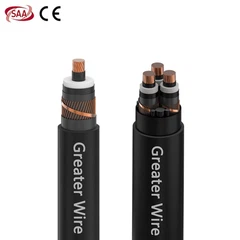
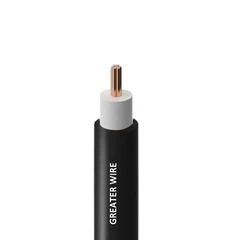
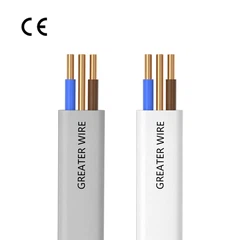
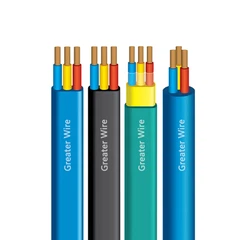
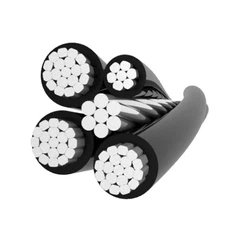
Solar cables and solar wires are crucial components that connect the solar panels to the inverter and other system parts. These cables need to be designed specifically to handle the unique demands of a solar power system, including high current, UV exposure, and outdoor weather conditions.
Solar cables are often made with copper or aluminum and are coated with high-quality insulation to withstand the elements. The most common types of solar cables include TUV-rated cables and MC4 solar cables, which are used to connect the solar panels to the inverter.
Solar wires (the individual conductors inside the cables) are chosen based on the current capacity and voltage of the system. For a 7 kW system, a typical wire gauge would range from 10 AWG to 6 AWG, depending on the distance between the solar panels and the inverter and the expected current.
The cost of solar cables and wires typically makes up a small portion of the overall system cost, but they are essential for ensuring that the system operates efficiently and safely. On average, the cost of wiring for a 7 kW system can range from $300 to $600, depending on the complexity and distance involved.
6. Additional Components and Permitting
In addition to panels, inverters, and cables, there are other components and costs involved in a solar installation. These may include:
Mounting hardware: The frames and brackets that secure the panels to your roof. Depending on your roof type (e.g., sloped or flat), this could add between $500 and $1,500 to your total cost.
Batteries (if adding storage): Some homeowners opt for solar battery storage to store excess energy generated during the day for use at night. Battery systems can significantly increase the upfront cost, with prices ranging from $5,000 to $10,000 for a full battery system.
Permitting and inspection: Local governments often require permits for solar installations, which can add another $500 to $2,000, depending on your location.

Price Range for a 7 kW Solar System
Given the factors mentioned above, the total cost of a 7 kW solar system will vary. On average, you can expect to pay between $14,000 and $21,000 before any incentives or tax credits. This price includes the cost of panels, inverter, installation, wiring, and other necessary components.
Low-end estimate: A 7 kW system using polycrystalline panels and a string inverter may cost around $14,000.
High-end estimate: A more efficient 7 kW system using monocrystalline panels and microinverters, along with battery storage, could cost closer to $21,000.

Solar Incentives and Rebates
In many regions, solar installations are eligible for government incentives, tax rebates, and other financial incentives, which can significantly reduce the overall cost of your solar system. For example:
In the United States, the federal government offers a Solar Investment Tax Credit (ITC), which allows you to deduct a percentage (26% in 2021) of the cost of installing a solar system from your federal taxes. This can significantly reduce the upfront cost of your 7 kW solar system.
State and local incentives: Depending on your location, you may also be eligible for additional state or local tax credits, rebates, or performance-based incentives.
By factoring in these incentives, you could reduce the total cost of a 7 kW solar system by several thousand dollars.

How Long Will It Take to Pay Back a 7 kW Solar System?
The payback period for a 7 kW solar system depends on your electricity rates, energy consumption, and the amount of sunlight your location receives. On average, a residential solar system can pay itself off within 6 to 12 years.
In areas with high electricity rates and lots of sunlight, the payback period can be shorter.
In regions with lower electricity rates or less sunlight, the payback period can be longer.
The lifespan of a solar system is typically 25 to 30 years, and once the system is paid off, it can continue to generate free electricity for many years, significantly reducing your energy bills.