






As the demand for renewable energy sources continues to grow, solar power has become one of the most popular and accessible solutions for homeowners, businesses, and even entire communities. A solar power system offers numerous benefits, from reducing energy bills to decreasing your carbon footprint. However, one of the most important questions to answer before making the switch to solar is: How many watts of solar do I need?
The answer to this question depends on several factors, including your energy consumption, the efficiency of your solar panels, your location, and the size of your roof. In this comprehensive guide, we will explore how to determine how many watts of solar power you need for your home or business, how solar cables and wires come into play, and how the components of a solar power system work together to meet your energy needs.
Understanding Solar Power and Watts
Before we dive into determining how many watts of solar you need, let's break down what "watts" mean in the context of solar energy.
Watt (W) is a unit of power that measures the rate at which energy is used or generated.
Kilowatt (kW) is 1,000 watts. Solar systems are usually rated in kilowatts because they generate larger amounts of energy than individual watts.
Kilowatt-Hour (kWh) is a unit of energy. It measures how much power you use or generate over a period of time. For instance, if a 1 kW solar system runs for one hour, it generates 1 kWh of electricity.
When determining how many watts of solar you need, you're essentially trying to figure out how many kilowatts (kW) your solar panels should be rated to produce in order to meet your energy consumption.

Factors to Consider When Determining Solar Wattage Needs
The number of watts of solar you need for your home or business is influenced by several key factors. Let's go over them in detail.
1. Your Energy Consumption (kWh)
The first step in determining how many watts of solar you need is to understand your energy consumption. Look at your electricity bill to see how many kilowatt-hours (kWh) you use on a monthly or yearly basis. For example:
A typical home in the U.S. uses about 900-1,100 kWh per month.
In Europe, this number might be closer to 300-400 kWh per month for an average household.
If you want your solar panels to cover all of your energy needs, you'll need to design a system that can generate the same amount of energy that you consume. However, it's important to note that solar energy production varies depending on location, time of year, and other factors, so some households opt for slightly larger systems to ensure they can meet their energy demands year-round.
2. Solar Panel Efficiency and Output
Not all solar panels are created equal. Solar panel efficiency refers to the percentage of sunlight that the panel can convert into usable electricity. This affects how many panels you will need to meet your energy consumption.
Monocrystalline panels, for example, are known for their higher efficiency, ranging from 18% to 22%. This means they can produce more electricity per square meter.
Polycrystalline panels have a lower efficiency, typically around 15% to 18%.
Thin-film panels are the least efficient, with efficiencies between 10% and 13%.
The efficiency of your solar panels will impact how much space is required for installation and how many panels you need to meet your electricity needs.
3. Location and Solar Irradiance
Your geographical location plays a critical role in determining how much solar power you can generate. Solar irradiance, the amount of sunlight reaching your location, varies significantly depending on where you live.
Regions closer to the equator typically receive more sunlight and therefore generate more solar power.
Northern or Southern regions with higher latitudes tend to receive less solar radiation, especially in winter months.
In general, the more sunlight you get, the fewer panels you will need to generate the same amount of energy. In areas with abundant sunlight, you might only need a 4-5 kW system to meet your energy needs. In areas with less sunlight, a larger system might be necessary.
4. Roof Space and Orientation
The amount of available roof space and the orientation of your roof will affect how many solar panels can be installed and how efficient they are.
Roof space: Each solar panel requires around 15-20 square feet (1.4-1.8 square meters). A 5 kW system typically requires about 250-350 square feet of roof space, depending on panel efficiency.
Roof orientation: Ideally, solar panels should face the south (in the Northern Hemisphere) or north (in the Southern Hemisphere) to capture the maximum amount of sunlight. The tilt of the roof also plays a role in efficiency; a 30-40 degree tilt is generally considered optimal for solar panel installations.
If you have limited roof space or an unconventional roof shape, you may need to scale down your system or install higher-efficiency panels.
5. System Losses and Efficiency
While the solar panels themselves are important, there are always some losses in the system due to various factors, such as wiring, shading, inverter efficiency, and more. In practice, most solar systems operate at about 80-90% efficiency due to these losses.
You should account for these losses when designing your system. For example, if your monthly energy consumption is 800 kWh, you may want to size your system to produce around 900 kWh to make up for any inefficiencies.
How to Calculate How Many Watts of Solar You Need
Now that we've covered the key factors influencing solar power generation, let's walk through the steps to calculate how many watts of solar you need.
Step 1: Calculate Your Monthly or Annual Energy Usage
Start by checking your electric bill to determine how much energy you use. For example:
If your monthly consumption is 1,000 kWh, your annual consumption would be 12,000 kWh.
Step 2: Determine Solar Output per Panel
The next step is to determine how much energy each solar panel produces. A standard 300-watt panel, for instance, generates roughly 1.2-1.5 kWh per day in good sunlight conditions (this varies based on location and time of year).
If you live in an area that receives around 5 hours of peak sunlight per day, a 300-watt panel will generate 1.5 kWh of electricity each day (300 watts x 5 hours = 1,500 watt-hours or 1.5 kWh).
Over the course of a year, this panel would generate about 547.5 kWh of electricity (1.5 kWh x 365 days).
Step 3: Calculate System Size
To determine how many watts of solar you need, divide your total annual energy consumption by the estimated output of a single panel.
For example, if your annual consumption is 12,000 kWh, and each 300-watt panel generates approximately 547.5 kWh per year, you would need about 22 panels (12,000 kWh ÷ 547.5 kWh/panel ≈ 21.9 panels).
With each panel being 300 watts, your system would have a total output of about 6.6 kW (22 panels x 300 watts = 6,600 watts or 6.6 kW).
Step 4: Account for System Losses
Since solar systems typically operate at 80-90% efficiency, you should adjust your system size accordingly. For a system operating at 85% efficiency, you would multiply the required system size by 1.18 (1 ÷ 0.85).
6.6 kW x 1.18 = 7.8 kW.
Thus, a 7.8 kW system would be a good target to ensure that you can meet your energy needs.

Solar Cables and Wires: Ensuring Efficient Power Delivery
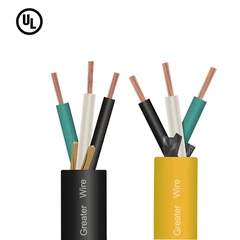
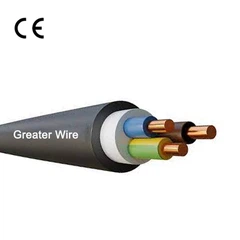
While determining how many watts of solar you need is crucial, the quality and proper installation of solar cables and solar wires are equally important. These components are responsible for safely transporting the electricity generated by your solar panels to your inverter and ultimately to your home or business.
1. Solar Cables and Wires: An Overview
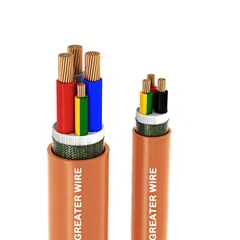
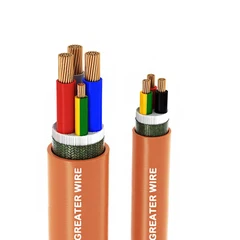
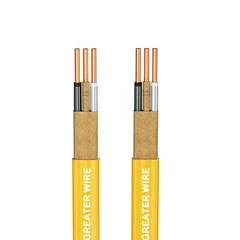
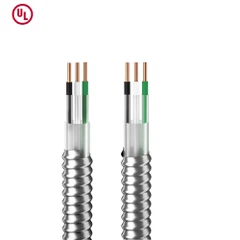
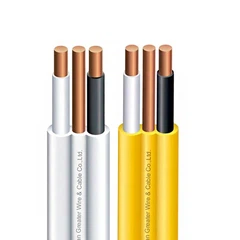
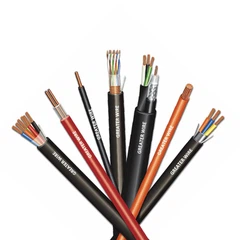
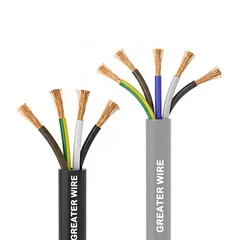
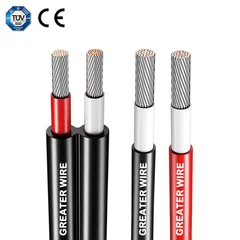
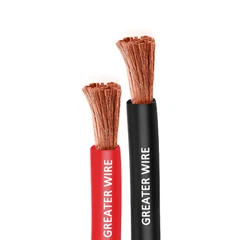
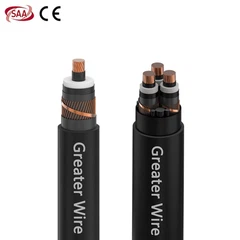
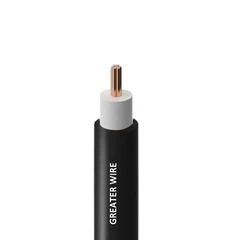
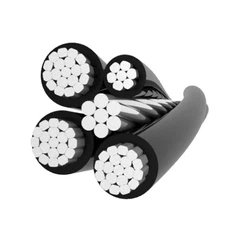
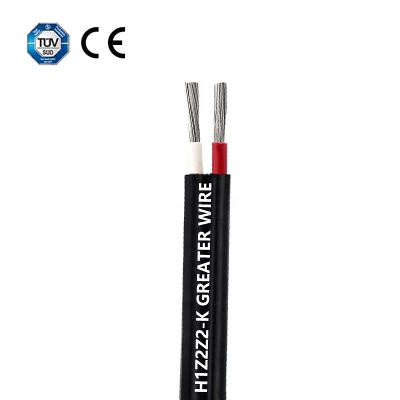
Solar cables are specialized cables designed to handle the high current and voltage generated by solar panels. They are typically made of copper or aluminum and insulated with UV-resistant, weatherproof materials to ensure they can withstand outdoor conditions.
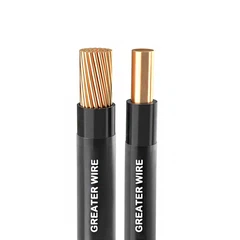
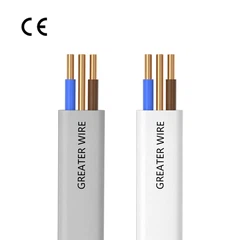
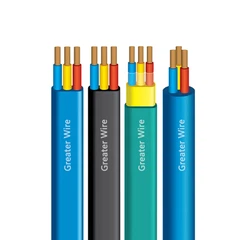
Solar wires are the individual conductors inside the cables that carry the electrical current. They must be properly sized to handle the expected load without causing excessive heat or energy loss.
2. Choosing the Right Size for Solar Cables and Wires
Choosing the correct size for your solar cables and wires is essential for maximizing system efficiency. Cables that are too thin will cause excessive voltage drops and energy loss, while cables that are too thick may increase the cost unnecessarily.
Here are some key considerations:
Current carrying capacity: The gauge of your wires should match the expected current flow. For example, a 6 kW system would typically require cables rated for 10-12 amps.
Voltage drop: To minimize losses, cables should be sized appropriately for the distance between your solar panels and the inverter. A voltage drop of less than 3% is generally recommended.
Environmental resistance: Ensure that your cables are rated for the outdoor environment and UV exposure, especially if you live in areas with harsh weather conditions.