







In modern electrical systems, AC cables are the critical bridge between the power source and the load. A common but often overlooked issue is selecting the correct cable size. Choosing a cable that is too small can lead to overheating, reduced performance, and even safety hazards, while selecting a cable that is too large can result in unnecessary costs.
AC90 cables, in particular, are widely used in industrial, commercial, and large residential projects. Choosing the right size is not only crucial for safety but also impacts overall system efficiency and cost-effectiveness. If you are planning to install or upgrade AC cables, understanding the calculation methods and selection principles is essential. This article will guide you through the AC90 cable sizing process and help you choose the most suitable product for your project.
Overview of AC90 Cables
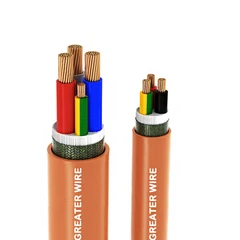
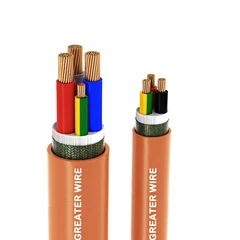
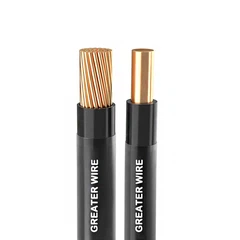
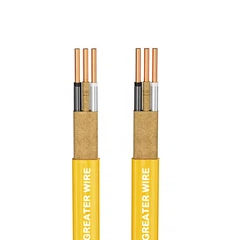
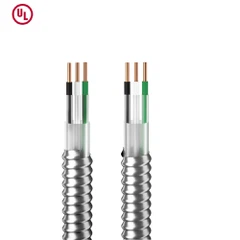
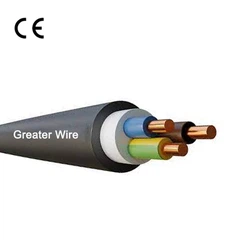
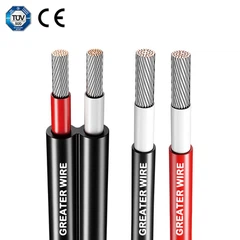
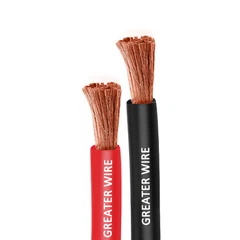
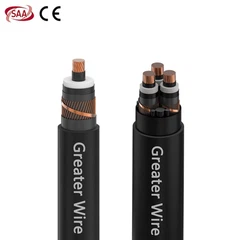
AC90 cables are high-performance, durable AC power cables commonly used for low- to medium-voltage power transmission. Their key features include:
- High heat resistance: Capable of operating reliably in high-temperature environments
- Excellent insulation: Prevents current leakage and ensures safety
- Versatile applications: Suitable for industrial plants, commercial buildings, and large residential projects
- High reliability: Maintains low resistance over time, minimizing energy loss
Thanks to their stability and safety, AC90 cables are a preferred choice for many power projects. However, different projects have varying requirements for current capacity, cable length, and installation environment, making proper sizing critical.
Key Factors Affecting AC Cable Size
When selecting AC90 cable size, several key factors must be considered:
Load Current
The main task of a cable is to safely carry current. Higher load currents require larger cable cross-sections to prevent overheating and ensure safe operation.
Voltage Level
Voltage levels determine insulation requirements. Higher voltage cables need thicker insulation to prevent breakdown and leakage.
Cable Length and Voltage Drop
Longer cable runs result in more voltage drop. Ignoring voltage drop can prevent equipment from receiving sufficient voltage, affecting performance.
Installation Environment
High ambient temperatures, cable bundling, or conduit installation can reduce current-carrying capacity and require derating factors.
Cable Type and Insulation Rating
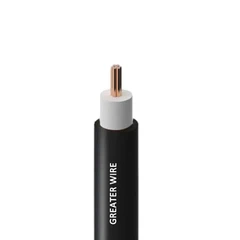
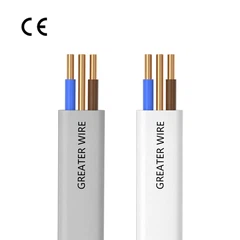
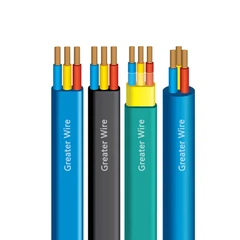
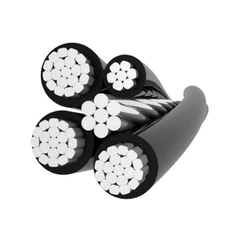
Different cable types (single-core, three-core, shielded, etc.) and insulation materials have varying load capacities. Selection should be based on project conditions.

AC Cable Calculation Formulas and Methods
To ensure safe operation, cable sizing must account for current, voltage, and other factors. The commonly used calculation methods include:
Load Current Calculation
For single-phase circuits:
I=PV×PFI = \frac{P}{V \times PF}I=V×PFP
For three-phase circuits:
I=P3×V×PFI = \frac{P}{\sqrt{3} \times V \times PF}I=3×V×PFP
III: Load current (A)
PPP: Power (W)
VVV: Voltage (V)
PFPFPF: Power factor
Voltage Drop Calculation
ΔV=3×I×L×Z\Delta V = \sqrt{3} \times I \times L \times ZΔV=3×I×L×Z
ΔV\Delta VΔV: Allowable voltage drop (V)
LLL: Cable length (m)
ZZZ: Cable impedance (Ω/m)
Sizing Steps
Determine load power and voltage level
Calculate load current
Select the appropriate cable cross-section based on length and allowable voltage drop
Apply environmental derating factors to finalize cable size
By following these steps, even non-professionals can accurately determine the correct cable size for their projects.
Common Mistakes and Precautions
In practice, common mistakes in cable sizing include:
- Underestimating load current: Ignoring startup currents and potential future expansion
- Neglecting voltage drop: Especially for long cable runs, which can affect equipment performance
- Ignoring environmental factors: High temperature, bundled cables, or conduit installation reduce current capacity
- Overemphasizing cost: Choosing cheap cables may lead to safety risks and higher maintenance costs
Tip: Combine calculations with professional supplier advice to avoid sizing errors.

How to Choose the Right Cable Product
Selecting the right AC90 cable involves more than calculations. Consider product quality, supplier service, and after-sales support:
- Brand and quality: High-quality cables have safety certifications and long service life
- Model matching: Choose based on current, voltage, and environmental conditions
- Technical support: Suppliers providing selection tools, installation guidance, and after-sales service
- Cost vs. service: Consider long-term operational efficiency, not just upfront price
Proper AC90 cable sizing is key to safe and efficient power distribution. By calculating load current, voltage drop, and considering environmental factors, you can ensure stable and reliable operation while avoiding unnecessary expenses.
At Dongguan Greater Wire & Cable Co., Ltd., we offer extensive experience and professional teams to provide one-stop solutions for AC90 cable projects. Whether your project is large or small, we provide full technical support and service-from selection, installation guidance, to after-sales assistance.
Our Advantages:
- High-quality AC90 cables with reliable safety performance
- Complete pre-sales and after-sales support for all client needs
- Custom solutions for projects of any size
Contact us today for professional consultation and quotations:
- Dongguan Greater Wire & Cable Co., Ltd.
- Tel/WhatsApp/WeChat: +86 135 1078 4550 / +86 136 6257 9592
- Email: manager01@greaterwire.com
Choosing the right AC cable is not just a technical decision-it ensures safety, efficiency, and peace of mind. Let us help you provide the most professional support for every cable run.