

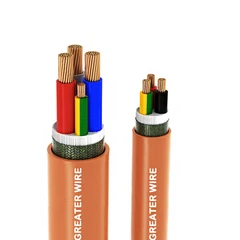
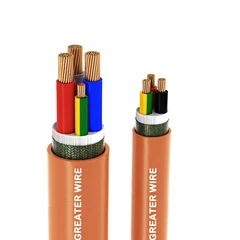


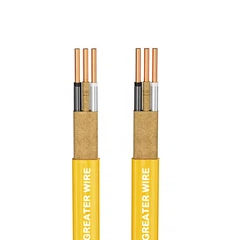
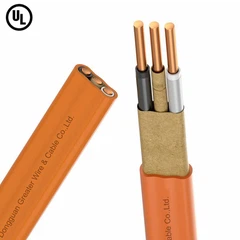
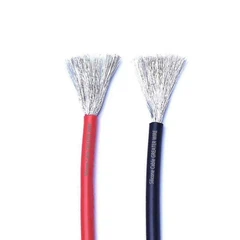
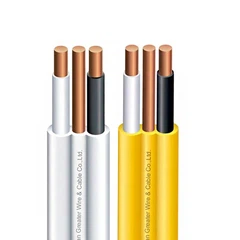
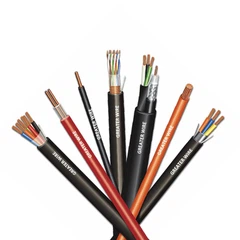
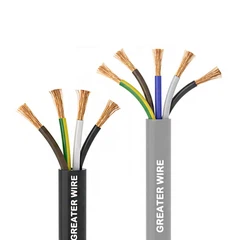
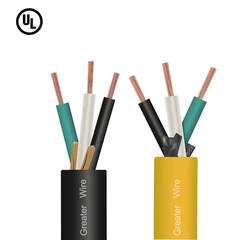
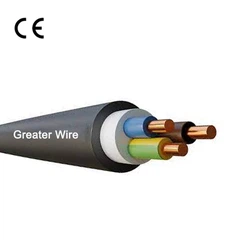
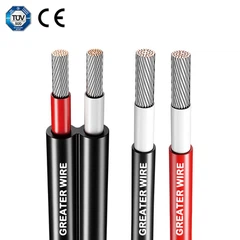

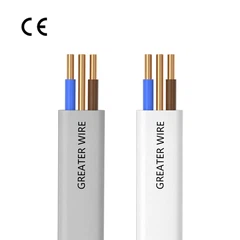
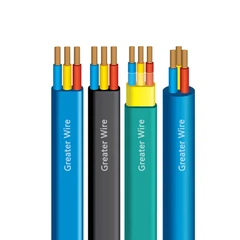
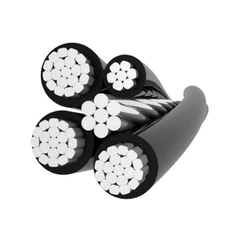
TPS wire (Thermoplastic Sheathed Cable) is a common type of cable widely used in residential, commercial and industrial fields. Its main feature is that the outer sheath is made of thermoplastic PVC (polyvinyl chloride) material, which has good heat resistance, tensile strength, corrosion resistance and good electrical properties. In order to ensure the quality and safety of TPS wires, strict testing must be carried out. This article will discuss in detail how to test the quality and safety of TPS Cable, Flat TPS Cable and Twin Active TPS.
1. Basic structure and performance requirements of TPS wires
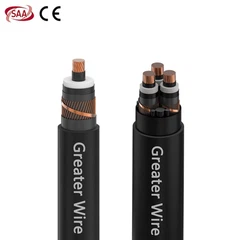
Before understanding how to detect TPS wires, you first need to understand the basic structure and performance requirements of TPS wires. TPS wires are usually composed of the following parts:
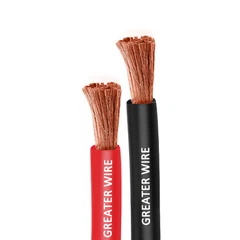
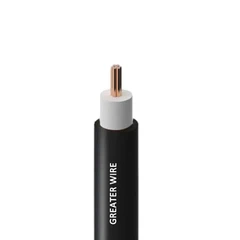
Conductor: Generally copper or aluminum wires are used, which are responsible for the transmission of current.
Insulation layer: Usually thermoplastic plastic materials are used to ensure the electrical insulation of the wires.
Outer sheath: Made of thermoplastic PVC material, it protects the cable from external environmental influences, such as mechanical damage, chemical corrosion, water vapor intrusion, etc.
Quality requirements for TPS wires include:
Electrical performance: Good insulation performance, which can effectively prevent short circuits and leakage.
Mechanical properties: tensile, impact and bending resistance.
Thermal stability: The cable can work normally within a certain temperature range.
Corrosion resistance: Able to resist moisture, chemicals and corrosive environments.
Fire resistance: Able to prevent the spread of fire and prevent the wires from causing greater disasters in fires.
In order to ensure that TPS wires meet these performance standards, various testing methods are needed to verify their quality and safety.

2. Methods for testing the quality and safety of TPS cables
2.1 Appearance inspection
Appearance inspection is one of the most basic inspection methods and is usually used to preliminarily screen whether the cable has obvious defects. Specific inspection items include:
Sheath integrity: Check whether the outer sheath is uniform, crack-free, and without obvious damage or deformation. The surface of the sheath should be smooth without obvious bubbles, unevenness, etc.
Conductor exposure: Check whether the conductor is exposed at both ends of the cable. If the exposed part is too long, it may cause electrical short circuit or electric shock.
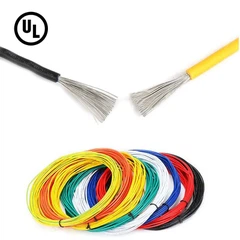
Clear identification: The identification of the cable should be clearly visible, including product name, model, specification, certification mark, etc.
Flat TPS Cable and Twin Active TPS Cable also need to pay attention to their structural design during appearance inspection. In particular, Flat TPS Cable, due to its flat structure, is prone to problems during bending or stretching, so it is necessary to carefully check whether its surface is intact.
2.2 Conductivity detection
The conductivity of TPS cable directly affects the stability and safety of the electrical system. The conductivity detection mainly includes:
Resistance test: Use a resistance tester to measure the conductor resistance of the cable. According to Ohm's law, the resistance of the cable conductor should meet the design requirements to avoid excessive resistance causing heating and energy waste.
Insulation resistance test: Use a megohmmeter to detect the insulation resistance of the cable. Ideally, the insulation resistance of the cable should be greater than the specified value. If the insulation resistance value is too low, it may indicate that the cable has a leakage risk.
Withstand voltage test: Use a withstand voltage test to check whether the insulation performance of the cable is qualified. Generally, the cable needs to be tested at about 1.5 times the rated voltage to ensure the safety of the cable in a high-voltage environment.
For Twin Active TPS cables, a double-circuit conductivity check is usually required. Check whether the electrical connection of the dual conductors is firm to ensure that the current transmission of the two circuits is stable and without abnormalities.
2.3 Mechanical performance test
The mechanical properties of the cable are an important guarantee for its use in harsh environments. Specific test items include:
Tensile strength test: Use a tensile machine to test the tensile strength of the cable. When the cable is subjected to a certain tensile force, the sheath and conductor should be able to remain intact and should not break. During the test, the tensile force should be gradually increased until the cable is significantly deformed or broken, and its maximum tensile force value is recorded.
Bending resistance test: Place the cable on a bending test device to simulate the bending of the cable in actual application and detect whether the cable is prone to cracking or breaking. Especially for Flat TPS Cable, its flat design may be affected by high-frequency bending, so special attention should be paid.
Impact test: The outer sheath of the cable needs to have good impact resistance. When subjected to external mechanical impact, the cable should be able to maintain normal operation and the outer sheath should not break. The impact test simulates the performance of the cable when it is hit by external force.
2.4 Thermal stability and temperature resistance test
The thermal stability of TPS wires is essential for long-term use, especially when the cable works in a high temperature environment. Methods for detecting thermal stability include:
Heat resistance test: By exposing the cable to a high temperature environment, observe whether its outer sheath and insulation layer are aging, discolored, cracked, etc. Generally speaking, the heat resistance of TPS cable requires stable operation in a working environment of 70°C to 90°C.
Thermal expansion test: After heating the cable to a certain temperature, check the dimensional changes of the cable. Cables with too high a thermal expansion coefficient may cause installation difficulties or performance problems at high temperatures.
2.5 Corrosion resistance and environmental adaptability test
TPS cables are usually used outdoors or in humid environments, so their corrosion resistance and environmental adaptability are important indicators for testing cable quality. Common testing methods include:
Water immersion test: After the cable is immersed in water for a period of time, check whether the outer sheath of the cable is dissolved or the insulation layer is damaged.
Chemical test: Expose the cable to various chemicals (such as oil, acid, and alkali) to check whether the cable can maintain good physical and electrical properties. Cables with strong corrosion resistance can resist the erosion of chemicals and maintain stable performance for a long time.
Ultraviolet aging test: By exposing the cable to ultraviolet radiation, simulating the long-term exposure of the cable to sunlight outdoors, check the weather resistance of the outer sheath and whether it is prone to embrittlement and cracks.
2.6 Fire resistance test
Fire resistance is an important indicator of cable safety, especially in environments with greater fire hazards, the fire resistance of the cable is crucial. Testing methods include:
Combustion test: Through a flame test, check the combustion characteristics of the cable. Qualified TPS cables should have high fire resistance and be able to slow down the spread of fire when a fire occurs.
Smoke test: By lighting the cable under certain conditions, observe the amount of smoke it produces. High-quality cables should produce less toxic smoke when burning to avoid harm to personnel.

3. How to ensure the accuracy and reliability of the test?
To ensure that the quality and safety of TPS cables are tested accurately and reliably, the following measures are recommended:
Choose an authoritative testing agency: Choose a qualified third-party testing agency to conduct the test to ensure that the test results are authoritative.
Use professional testing equipment: Use testing equipment that meets the standards to ensure that each test indicator can accurately reflect the performance of the cable.
Regularly maintain and update testing equipment: Testing equipment should be calibrated and maintained regularly to ensure its accuracy and reliability.