

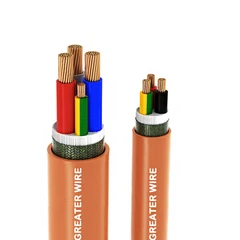
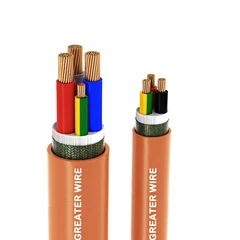


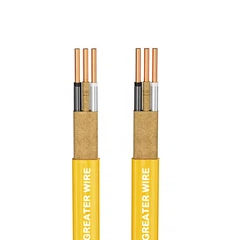
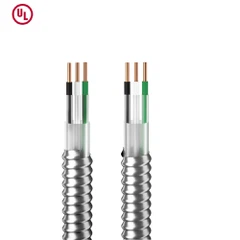



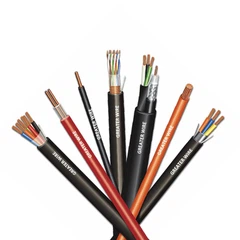
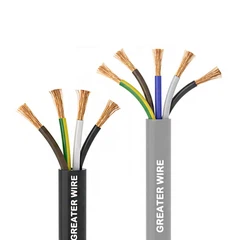
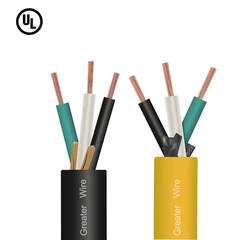
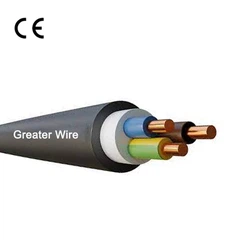


Mining operations, especially those conducted underground, involve complex environments where safety, reliability, and efficiency are paramount. One of the most crucial components that ensure the smooth operation of a mining site is the mining cable. These cables play a significant role in powering the mining equipment, ensuring communication systems are operational, and facilitating the safe and effective transportation of electrical energy across various parts of the mine.

1. The Role of Mining Cable in Mining Operations
Mining is an inherently hazardous and demanding industry that requires equipment and infrastructure that can withstand harsh conditions. The work environment in mines presents several challenges that include extreme temperatures, humidity, vibrations, physical stress, and exposure to chemicals and gases. Therefore, mining cables must be specifically designed to handle these factors, providing continuous and reliable service throughout the mining operation.
Mining cables serve a variety of crucial functions, including:
Power Supply: They transmit electrical power to mining machinery such as drills, conveyors, pumps, ventilation systems, and lighting systems. Since much of the mining process relies on electrical power, the integrity of these cables is critical for operational efficiency.
Communication Systems: Mining operations often rely on communication networks, which enable workers to stay in contact with each other and with surface control rooms. Mining cables ensure reliable communication for both surface and underground teams, enhancing coordination and safety.
Data Transmission: Modern mines use automated systems for monitoring, control, and data collection. Mining cables are also used for transmitting data between sensors, control systems, and monitoring devices, helping to track the mine's operational performance and safety metrics.
Safety and Emergency Systems: Mining cables support critical safety systems, including fire alarms, gas detection systems, and emergency lighting. In the event of an emergency, these cables ensure that safety measures are operational, helping to mitigate risks and facilitate safe evacuations.

2. Types of Mining Cables
Mining cables are manufactured to meet the stringent requirements of underground mining environments. The types of cables used can vary based on their function, the environment they will be exposed to, and the specific requirements of the mining operation. The following are some common types of mining cables:
2.1 Power Cables
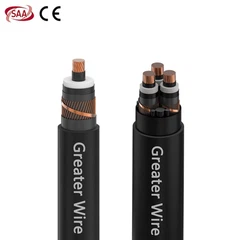
These cables provide the necessary electrical power for heavy-duty mining machinery, such as drills, excavators, crushers, and conveyor belts. Power cables used in mining need to be robust and able to withstand mechanical stress, abrasion, and environmental exposure. Power cables typically feature a strong outer jacket made from materials like rubber, thermoplastic, or steel wire armor for additional protection.
2.2 Control Cables
Control cables are used to manage the operation of mining machinery and equipment, including motor controllers, circuit breakers, and remote control systems. These cables carry lower voltage than power cables but must be equally resistant to environmental factors like temperature variations, mechanical wear, and moisture. In underground mining, control cables may also need to be flame-retardant to reduce the risk of fire.
2.3 Signal Cables
Signal cables are used for transmitting data and communication signals. These cables are designed to ensure that signals sent from sensors or communication devices are transmitted without interference or signal loss. Signal cables need to be shielded to minimize electromagnetic interference and to protect the integrity of data transmission in an environment filled with powerful electrical machinery.
2.4 Fire-Resistant Cables
Mining environments are particularly susceptible to fire hazards due to the presence of flammable materials such as gases and chemicals. Fire-resistant cables are essential in maintaining power supply and communication systems during a fire, ensuring that workers can evacuate safely and that emergency systems remain operational. These cables are designed to withstand high temperatures and flames for a certain period without catching fire or losing their integrity.
2.5 Rubber-Insulated Cables
Rubber-insulated cables are often used in underground mining operations because of their excellent flexibility and resilience to harsh environmental conditions. These cables can bend and twist easily, making them ideal for equipment that requires movement. Rubber-insulated cables are resistant to abrasion, oils, chemicals, and extreme temperatures, making them a durable and reliable option for mining environments.

3. Key Characteristics of Mining Cables
Mining cables are engineered to meet the demanding needs of underground and surface mining environments. Below are some of the key characteristics that make mining cables suitable for these applications:
3.1 Durability and Toughness
Mining cables are designed to endure the harsh physical conditions found in mining environments. They must withstand mechanical stress from vibration, abrasion from rough surfaces, and frequent bending and twisting during operation. Many mining cables feature armored jackets or reinforced layers to protect the cable from these stresses.
3.2 Flame Resistance and Fire Safety
One of the most critical aspects of mining cable design is its resistance to fire. Since mining operations involve high-temperature machinery, the risk of electrical fires is significant. Mining cables are often fire-resistant or fire-retardant, ensuring they can operate safely in case of a fire. Low smoke zero halogen (LSZH) cables are often used for their ability to minimize smoke in case of fire, reducing the risk of suffocation and ensuring that evacuation routes remain visible.
3.3 Temperature and Environmental Resistance
The temperature in mining environments can range from freezing cold to intense heat. Mining cables are designed to function across a wide temperature range, often from -40°C to +105°C, and can operate in high-humidity environments or areas prone to exposure to moisture and water. This ensures that they remain flexible and functional, even under extreme conditions.
3.4 Electrical Insulation and Safety
The insulation of mining cables is crucial for ensuring safe operation. In a mining environment, cables are often exposed to electrical interference, moisture, and chemicals. Good insulation protects the workers from electrical shock and ensures the proper functioning of the electrical system. Cross-linked polyethylene (XLPE) and thermoplastic elastomers (TPE) are often used as insulation materials for mining cables because of their excellent dielectric properties.
3.5 Flexibility and Workability
Cables in mining operations must be flexible enough to withstand the physical stress of being moved, twisted, and bent in tight spaces. Rubber cables are a common choice for their flexibility, while thermoplastic cables are more rigid and suitable for areas where less movement is required.

4. Mining Cable Installation and Maintenance
Proper installation and maintenance of mining cables are essential for ensuring the safety and efficiency of mining operations. Poorly installed or damaged cables can lead to electrical failures, dangerous fires, or even accidents. The following steps are critical for ensuring that mining cables remain safe and effective:
4.1 Correct Cable Selection
It is essential to choose the right type of cable for the specific environment and application. For example, power cables must be selected to handle the required voltage and current, while communication cables must be designed to withstand the potential interference in a noisy electrical environment.
4.2 Proper Installation
The installation of mining cables must follow strict safety standards to minimize risks. Cables should be laid out in a way that minimizes the potential for damage from equipment or physical contact. They should be properly secured, routed in channels, and provided with adequate protection against abrasions, crushing, and excessive bending.
4.3 Routine Inspection and Testing
Regular inspection and testing of mining cables are necessary to ensure that they are still functioning as intended. Periodic visual inspections should check for signs of wear, including cuts, abrasions, or fraying, while electrical testing can detect insulation failure or reduced conductivity. In addition, thermal imaging can be used to identify overheating spots in the cables.
4.4 Preventive Maintenance
Preventive maintenance includes cleaning and repairing cables to prevent damage before it occurs. Regular maintenance ensures that cables continue to perform at optimal levels and prevents sudden failures that could halt mining operations.