

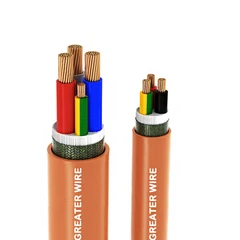
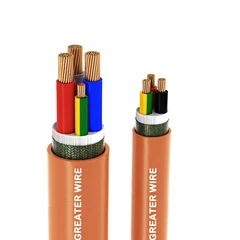

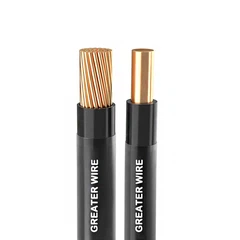
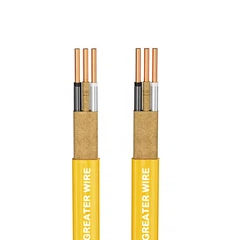

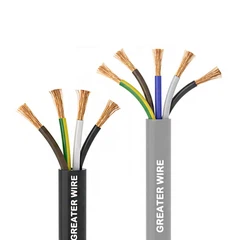
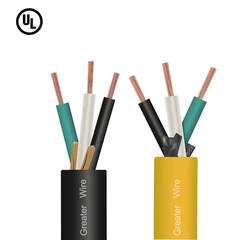
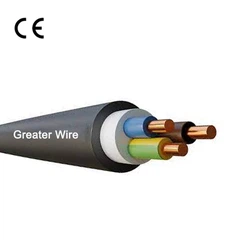
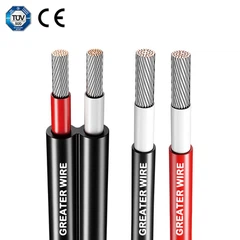

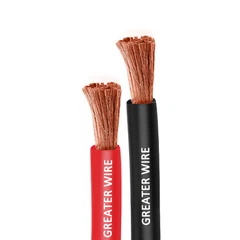
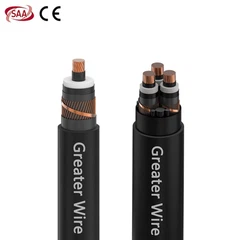
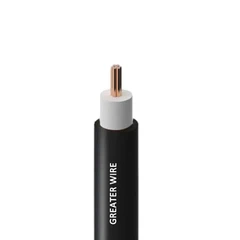

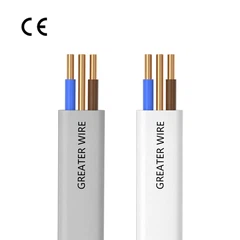
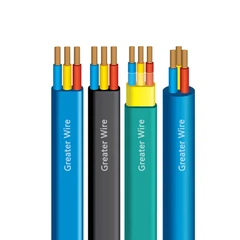
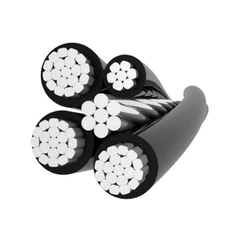
Silicone cables are widely recognized for their exceptional flexibility, high-temperature resistance, and durability under harsh environmental conditions. While silicone rubber serves as the insulation material, the conductor within the cable plays a pivotal role in determining its electrical performance, mechanical strength, and overall efficiency. Various conductor materials are used in silicone cables, tailored to specific applications and requirements.

Commonly Used Conductor Materials in Silicone Cables
1. Copper (Cu)
Copper is the most commonly used conductor material for silicone cables due to its excellent electrical and thermal conductivity, as well as its mechanical properties. It is available in different forms, depending on the specific application:
Bare Copper: Bare copper is widely used in silicone cables for general electrical applications. Its high conductivity ensures efficient power transmission with minimal losses.
Tinned Copper: Tinned copper is coated with a thin layer of tin, which enhances its corrosion resistance and solderability. Tinned copper conductors are particularly suitable for environments with high humidity, exposure to chemicals, or the potential for oxidation.
Silver-Plated Copper: For high-frequency applications or environments with extreme temperatures, silver-plated copper conductors are preferred. The silver coating improves conductivity and provides superior performance in demanding conditions.
Nickel-Plated Copper: Nickel-plated copper conductors are used in high-temperature environments exceeding 200°C. Nickel enhances thermal stability and corrosion resistance, making it suitable for industrial and aerospace applications.
2. Aluminum (Al)
Aluminum is a lightweight and cost-effective alternative to copper, often used in silicone cables for applications where weight is a critical factor, such as in aerospace and automotive industries. However, aluminum has lower electrical conductivity compared to copper, requiring larger cross-sections to achieve the same performance. Aluminum conductors are also more susceptible to oxidation, necessitating careful insulation and protective measures.
3. Copper-Clad Aluminum (CCA)
Copper-clad aluminum combines the benefits of both copper and aluminum. It consists of an aluminum core with a thin layer of copper, offering a balance between cost, weight, and conductivity. CCA conductors are commonly used in silicone cables for applications where cost-efficiency is a priority without significantly compromising performance.
4. Stainless Steel
Stainless steel conductors are used in silicone cables designed for specific industrial applications where mechanical strength, corrosion resistance, and durability are more critical than electrical conductivity. Stainless steel is often employed in environments with high mechanical stress or exposure to corrosive substances.
5. Nickel
Nickel conductors are utilized in extreme temperature conditions, often exceeding 400°C. While nickel has lower electrical conductivity than copper or aluminum, its exceptional thermal stability and resistance to oxidation make it suitable for specialized silicone cables in industries such as metallurgy and aerospace.
6. Silver
Silver is the best electrical conductor among all metals, but its high cost limits its use to niche applications where maximum conductivity and performance are paramount. Silicone cables with silver conductors are often used in high-frequency or precision electronic applications, such as in medical devices and high-end instrumentation.

Properties and Advantages of Different Conductor Materials
Copper
Advantages:
High electrical and thermal conductivity
Excellent mechanical flexibility
Corrosion resistance (with plating options)
Applications:
General-purpose wiring, industrial machinery, automotive systems
Aluminum
Advantages:
Lightweight and cost-effective
Good thermal conductivity
Applications:
Aerospace, automotive, and large-scale power transmission
Copper-Clad Aluminum
Advantages:
Cost-efficient alternative to pure copper
Reduced weight compared to copper
Applications:
Telecommunications, automotive wiring
Stainless Steel
Advantages:
High mechanical strength
Excellent corrosion and chemical resistance
Applications:
Harsh industrial environments, maritime applications
Nickel
Advantages:
Exceptional thermal stability
Resistance to oxidation at high temperatures
Applications:
High-temperature furnaces, aerospace wiring
Silver
Advantages:
Superior electrical conductivity
Excellent performance in high-frequency applications
Applications:
Precision electronics, medical equipment

Factors to Consider When Choosing a Conductor Material
1. Electrical Conductivity
The primary function of a conductor is to transmit electricity efficiently. Copper and silver are preferred for applications requiring high conductivity, while aluminum and stainless steel are chosen for specific trade-offs between cost and performance.
2. Temperature Resistance
High-temperature environments require conductors that can withstand thermal stress without degrading. Nickel and nickel-plated copper are excellent choices for extreme temperatures.
3. Mechanical Strength
Applications involving dynamic movements, vibrations, or mechanical stress demand conductors with high tensile strength, such as stainless steel.
4. Corrosion Resistance
Environments exposed to moisture, chemicals, or corrosive substances require conductors with enhanced corrosion resistance, such as tinned copper or stainless steel.
5. Cost and Weight
Cost-sensitive applications may opt for aluminum or copper-clad aluminum, while weight-sensitive applications, such as aerospace wiring, benefit from aluminum conductors.
6. Application-Specific Requirements
Specialized applications may prioritize certain properties, such as high-frequency performance (silver), flexibility (bare copper), or chemical resistance (stainless steel).

Applications of Silicone Cables with Different Conductor Materials
Industrial Applications
Silicone cables with copper or tinned copper conductors are commonly used in industrial machinery, ovens, and furnaces due to their high conductivity and thermal resistance.
Aerospace and Automotive
Aluminum or nickel-plated copper conductors are used in aerospace and automotive wiring for their lightweight properties and temperature stability.
Medical Devices
Silver or bare copper conductors are preferred in medical devices for their high conductivity and precision performance.
Renewable Energy
Silicone cables with stainless steel or nickel conductors are used in solar panels and wind turbines, where durability and environmental resistance are crucial.