

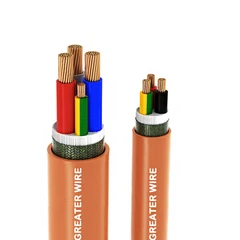
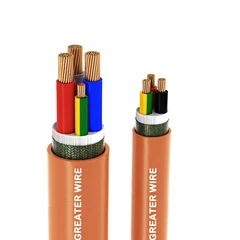

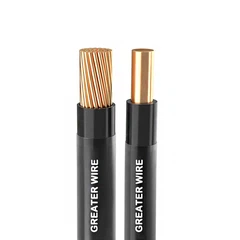
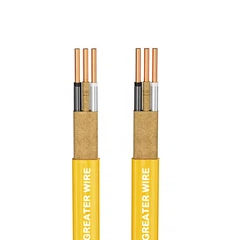
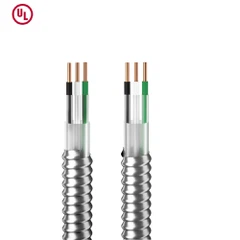
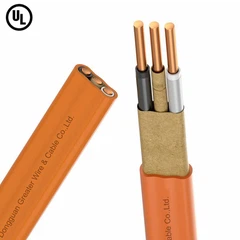
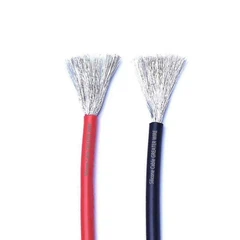
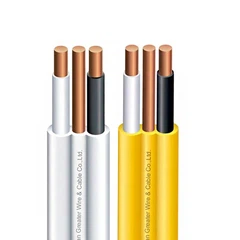
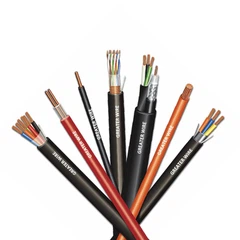
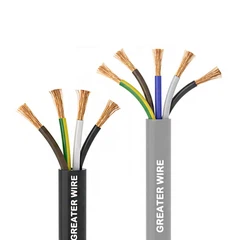
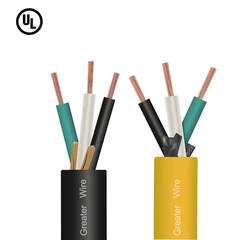
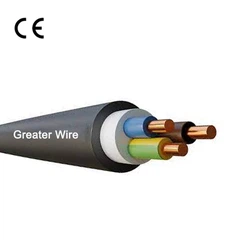
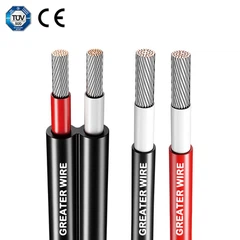

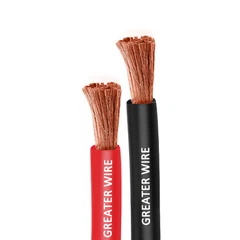
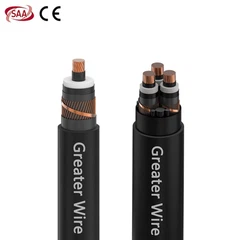
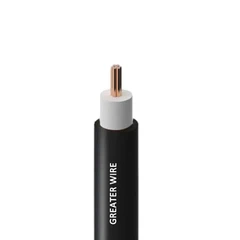
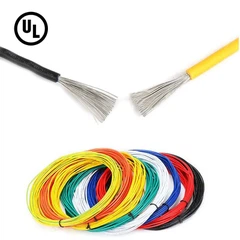
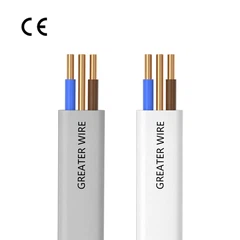
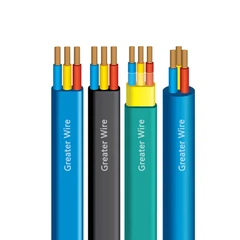
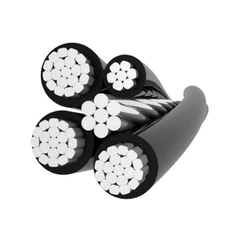
Silicone cables, also known as silicone rubber insulated cables, are a type of electrical wiring made with silicone rubber as the insulation material. Silicone is a synthetic polymer known for its high flexibility, excellent heat resistance, and exceptional electrical properties. These cables are widely used in industrial, commercial, and domestic applications where durability, reliability, and resistance to extreme environmental conditions are crucial.

Characteristics of Silicone Rubber
Silicone rubber, the key material in silicone cables, is a versatile elastomer known for its outstanding properties:
Thermal Stability: Silicone rubber can withstand extreme temperatures, ranging from -60°C to 200°C or higher, without degrading its performance. This property makes silicone cables ideal for high-temperature applications.
Electrical Insulation: Silicone rubber is an excellent electrical insulator, ensuring minimal leakage currents and high dielectric strength.
Flexibility: Silicone rubber remains flexible even at low temperatures, which is essential for cables exposed to dynamic environments.
Chemical Resistance: Silicone rubber is resistant to a wide range of chemicals, including oils, solvents, and certain acids, making it suitable for harsh industrial settings.
Weather Resistance: It has excellent resistance to UV radiation, ozone, and moisture, ensuring longevity in outdoor and exposed applications.
Non-Toxic and Safe: Silicone rubber is non-toxic, flame-retardant, and emits minimal smoke during combustion, making it suitable for sensitive environments.

Main Features of Silicone Cable
1. High-Temperature Resistance
Silicone cables are renowned for their ability to withstand high temperatures without losing their structural integrity or electrical performance. This feature makes them indispensable in industries like metallurgy, glass manufacturing, and automotive, where exposure to heat is inevitable.
2. Cold Resistance
Unlike many other materials that become brittle at low temperatures, silicone cables maintain their flexibility and performance in sub-zero environments. This makes them suitable for outdoor applications in cold climates, as well as for use in refrigeration systems.
3. Flexibility and Durability
Silicone cables offer unmatched flexibility, allowing easy installation in tight spaces or in systems with complex wiring requirements. Their durability ensures they can withstand repeated bending, vibration, and mechanical stress over extended periods.
4. Chemical and Oil Resistance
The chemical-resistant nature of silicone rubber makes these cables suitable for environments where they may come into contact with oils, solvents, or other aggressive substances. Industries such as petrochemical, pharmaceutical, and food processing benefit from this property.
5. UV and Weather Resistance
Silicone cables are highly resistant to UV radiation, ozone, and weathering effects. They can endure prolonged exposure to sunlight and other environmental factors without degrading, making them ideal for outdoor installations, including solar panels and marine applications.
6. Electrical Safety
The excellent dielectric properties of silicone rubber ensure that silicone cables provide robust electrical insulation. This minimizes the risk of short circuits and electrical fires, contributing to overall safety.
7. Flame Retardancy
Silicone cables are inherently flame-retardant and emit low levels of toxic fumes or smoke when exposed to fire. This feature is crucial for applications in public spaces, transportation, and other safety-critical areas.
8. Compatibility with Sensitive Equipment
Silicone cables do not release harmful substances or degrade sensitive electronic components. This makes them suitable for use in medical devices, laboratory equipment, and high-precision instrumentation.

Applications of Silicone Cables
The unique properties of silicone cables enable their use in a wide range of industries and applications:
Automotive and Transportation Silicone cables are used in engine compartments, lighting systems, and heating elements where high heat resistance is essential.
Aerospace The aerospace industry utilizes silicone cables in aircraft wiring systems, ensuring reliability in extreme temperature and pressure conditions.
Industrial Machinery These cables are commonly used in industrial ovens, furnaces, and other high-temperature equipment.
Medical Equipment Silicone cables are preferred for medical devices due to their biocompatibility, flexibility, and resistance to sterilization processes.
Renewable Energy In solar panels and wind turbines, silicone cables provide durability and weather resistance for long-term performance.
Marine and Offshore Silicone cables' resistance to moisture, salt, and UV radiation makes them suitable for marine environments and offshore installations.
Household Appliances Silicone cables are commonly used in toasters, coffee machines, and other household appliances exposed to heat.

Advantages of Silicone Cables Over Traditional Cables
Longevity: Silicone cables last significantly longer in harsh conditions compared to PVC or rubber-insulated cables.
Safety: Their flame retardancy and low smoke emission enhance safety in critical applications.
Versatility: They can be used in a wide range of environments, from freezing cold to scorching heat.
Environmental Friendliness: Silicone is recyclable and less harmful to the environment compared to many traditional insulating materials.

Challenges and Limitations
While silicone cables offer numerous benefits, they also have some limitations:
Cost: Silicone cables are generally more expensive than conventional cables due to the higher cost of silicone rubber and manufacturing processes.
Mechanical Strength: Silicone rubber is softer than other materials, making it more susceptible to cuts and abrasion in some environments.
Specialized Installation Requirements: Their flexibility can sometimes make them challenging to install in rigid systems.