

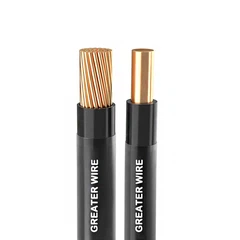

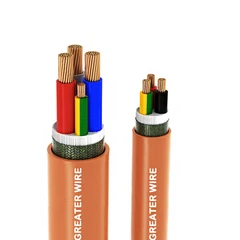
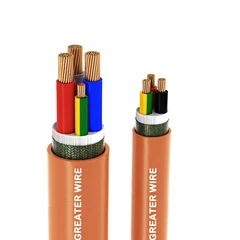
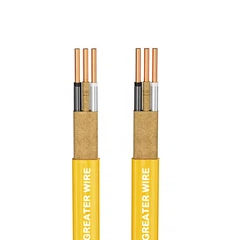
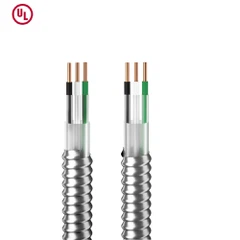
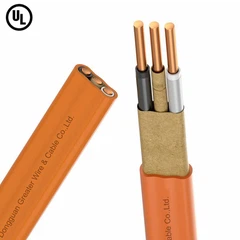
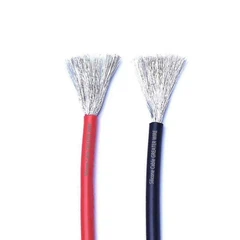
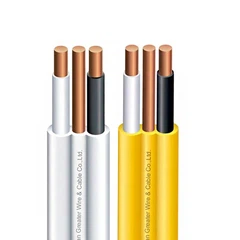
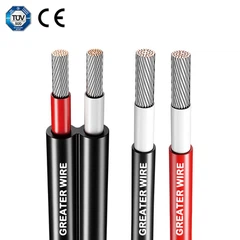

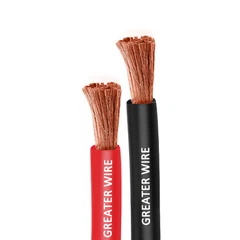
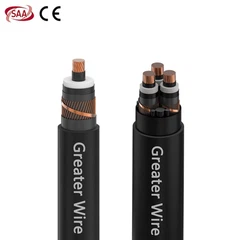
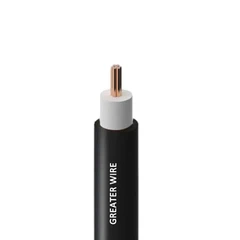
Cables are the lifeline of modern residential, commercial, and industrial infrastructure. In Australia, New Zealand, and other Oceania countries, it is common to see the marking "V90" printed on cables. However, many people are not clear about what this code actually means. Is it just a label, or does it represent key technical standards?
This article will provide a comprehensive explanation of V90 cables, covering technical specifications, performance advantages, application scenarios, and selection guides. By the end, you will know:
- The definition and properties of V90 cables
- The advantages of V90 compared with other types of cables
- How to select V90 cables for different applications
- Practical examples of different sizes and specifications
- Why V90 cables are widely adopted in the Australian market
What is a V90 Cable?
The marking "V90" is part of the Australian and New Zealand cable standard system. It has two parts:
- V = Insulation material is PVC (Polyvinyl Chloride).
- 90 = Maximum continuous operating temperature of 90°C.
In simple terms, V90 cables are PVC-insulated cables that can safely operate at 90°C.
They comply with AS/NZS 5000.1 and are widely used in residential, commercial, and industrial projects.
Common Categories:
- V75 – Rated for 75°C, suitable for light residential wiring.
- V90 – Rated for 90°C, the most common cable type for diverse applications.
- V90HT (Heat Resistant) – Enhanced for high-temperature or harsh environments.

Technical Features of V90 Cables
- Superior Heat Resistance – Operates safely at 90°C without insulation degradation.
- High Safety Standards – Meets Australian requirements for insulation thickness and fire resistance.
- Flexible Installation – Easy to pull through conduits and install in complex wiring systems.
- Eco-Friendly Options – Available in Low Smoke Zero Halogen (LSZH) versions for fire safety.
Advantages of V90 Compared to Other Cables
When choosing a cable, customers often wonder why V90 is recommended over other types.
Key advantages:
- Higher temperature rating than V75 → Longer lifespan under heavy loads.
- More economical than XLPE cables → Good balance of cost and performance.
- Lighter than rubber cables → Easier for large-scale fixed installations.
- Safer than standard PVC → Stronger insulation and wider application range.
| Cable Type | Temperature Rating | Cost | Flexibility | Typical Application |
|---|---|---|---|---|
| V75 | 75°C | Low | Average | Residential wiring |
| V90 | 90°C | Medium | Good | Residential, commercial, industrial |
| V90HT | 90°C + heat resistant | Higher | Good | Factories, mining, railways |
| XLPE Cable | 90–110°C | High | Stiffer | High-voltage, special projects |
| Rubber Cable | 90°C | High | Excellent | Temporary wiring, portable equipment |
Application Scenarios of V90 Cables
- Residential: Lighting circuits, socket outlets, kitchen appliances.
- Commercial: Office buildings, shopping centers, universities, hospitals.
- Industrial: Factories, mining operations, airports, railway systems.
- Special: Fire-rated systems, high-temperature environments.

How to Choose V90 Cables by Application
Depending on the scenario, the correct V90 type must be chosen to ensure safety and efficiency:
| Application | Recommended Type | Description |
|---|---|---|
| Residential homes | V90 1.5mm² / 2.5mm² | For lighting and socket wiring |
| Commercial buildings | V90 4–10mm² | For air-conditioning and distribution circuits |
| Industrial facilities | V90HT / Heavy Duty | For heavy loads in hot environments |
| Fire protection | Fire Rated V90 | Maintains power during fire events |
Practical Applications of Different Sizes
Choosing the correct size is crucial to prevent overheating and voltage drops.
| Size (mm²) | Max Current (A) | Practical Use |
|---|---|---|
| 1.5 mm² | ≤15A | Lighting, ceiling fans |
| 2.5 mm² | 16–20A | Socket outlets, small appliances |
| 4 mm² | 21–25A | Commercial lighting, office outlets |
| 6 mm² | 26–32A | Kitchen heavy-duty appliances |
| 10 mm² | 40–50A | Industrial workshops, retail centers |
| 16 mm²+ | ≥63A | Mining, heavy machinery, power feeders |
Comparison with Other Cables
By analyzing specifications, it is clear that V90 offers the best balance of safety, cost-effectiveness, and practicality. This is why it has become the most widely used SAA-certified cable in Australia and Oceania.

Product Advantages
1.Wide Range of Cable Types
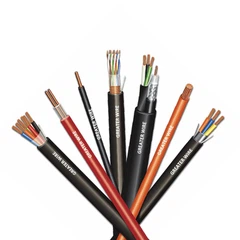
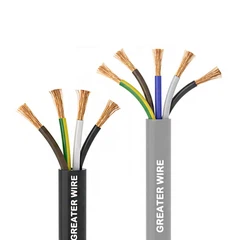
Orange Circular Cable / TPS Cable / Medium Voltage Cable / VSD Cable / Fire Rated Cable / Elastomer Cable / Heavy Duty Cable / Ordinary Duty Cable / Aerial Cable / SWA Cable / Mining Cable / SDI Cable / Rubber Cable / Building Cable / Earthing Cable / Neutral Screen Cable / Instrumentation Cable – complete portfolio under Australian SAA standards.
2.Full Compliance
Certified for Australia, New Zealand, Papua New Guinea, Fiji, Solomon Islands, Vanuatu, Samoa, Tonga, Tuvalu, Kiribati and more.
3.Proven Track Record
Long-term supply for airports, universities, commercial complexes, railways, and mining operations.
4.Complete Specifications
Starting from 1.5mm² to cover all common wiring needs.
5.Reliable Supply & Service
- Fast delivery, bulk or small orders
- Professional technical support, before and after sales
- Decades of export experience with global partners
6.Certified & Customizable
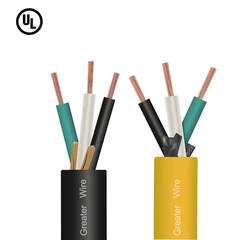
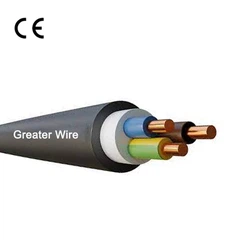
- SAA Certified for quality assurance
- Custom options for materials, colors, performance, packaging, and labeling
Your Trusted Cable Partner
No matter the size of your project – from home renovations to large-scale mining and railway infrastructure – we provide:
- One-stop cable solutions
- Full compliance with Oceania standards
- Fast delivery and flexible customization
- Extensive local project experience
Company Information
Dongguan Greater Wire & Cable Co., Ltd.
- Tel/WhatsApp/Wechat:
+86 135 1078 4550
+86 136 6257 9592
- Email: manager01@greaterwire.com