























In the world of electrical wiring, TPS cables (Thermoplastic Sheathed Cables) are widely used for a variety of applications due to their durability, flexibility, and safety features. These cables are commonly employed in residential, commercial, and industrial installations to carry electrical current safely and efficiently. Among the many variations of TPS cables, the 6mm TPS cable is a popular choice due to its specific characteristics and wide range of applications. This article explores the 6mm TPS cable, its uses, benefits, and how it compares to other types of cables, such as flat TPS cables and other common TPS electrical cables.

1. Understanding TPS Cable
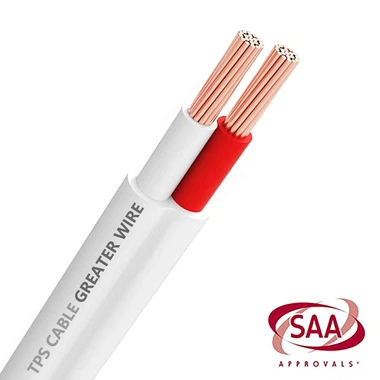
Before diving into the specifics of the 6mm TPS cable, it's important to understand what a TPS cable is and how it functions. A TPS cable is an electrical cable that consists of one or more copper conductors surrounded by layers of insulation made from thermoplastic materials, typically PVC (Polyvinyl Chloride). The outer sheath of the cable provides additional protection, preventing damage from external factors such as moisture, mechanical stress, and electrical interference.
1.1 Basic Features of TPS Cable
Conductors: The central conductors are typically made of copper, providing excellent conductivity and flexibility.
Insulation: The insulation around each conductor prevents short circuits and electrical leakage. The thermoplastic insulation also offers resistance to heat and environmental conditions.
Sheath: The outer sheath is made from a tough thermoplastic material (often PVC), which offers protection against mechanical damage, moisture, and UV radiation.
The 6mm TPS cable refers to the diameter of the copper conductor, which is an important factor when determining the cable's current-carrying capacity and suitability for different applications.
2. Why 6mm TPS Cable?latively compact
The 6mm in 6mm TPS cable refers to the cross-sectional area of the copper conductors, measured in square millimeters (mm²). This is an important specification because it directly influences the current-carrying capacity of the cable. A 6mm cable is typically used for applications that require higher currents than smaller cables, while still maintaining a resize that makes it suitable for a wide range of installations.
2.1 Current-Carrying Capacity
A 6mm TPS cable can typically carry higher current than smaller cables, such as 2.5mm or 4mm cables, making it ideal for medium-power applications. The exact current-carrying capacity depends on various factors, including the insulation type, installation conditions, and ambient temperature. However, on average, a 6mm TPS cable can safely carry currents in the range of 30 to 40 amps.
This makes 6mm TPS cables an excellent choice for circuits that require a moderate level of power, such as those powering electrical appliances, machinery, or distribution boards in residential and industrial settings.
2.2 Voltage Rating
Like other TPS electrical cables, 6mm TPS cables are typically designed for low-voltage applications, with a standard voltage rating of 600/1000V. This voltage rating indicates that the cable is designed to safely handle voltages up to 1000V in some cases, making it suitable for a wide range of applications in residential, commercial, and industrial electrical installations.

3. Applications of 6mm TPS Cable
The 6mm TPS cable is used in a wide variety of electrical applications, ranging from residential wiring to commercial and industrial installations. Its flexibility, current-carrying capacity, and safety features make it a versatile choice for many different purposes.
3.1 Residential Applications
In residential installations, 6mm TPS cables are often used for circuits that require higher current-carrying capacity than standard lighting circuits. Common residential applications include:
Power Circuits: 6mm TPS cables are often used to connect power circuits for larger appliances, such as ovens, air conditioners, electric water heaters, or washing machines. These appliances typically require more power than smaller devices, and the 6mm cable provides the necessary current-carrying capacity to safely power them.
Sub-Mains Wiring: 6mm TPS cables are also used in sub-mains wiring, which connects the main distribution board to sub-distribution boards. This application requires the cable to carry moderate current over a longer distance, and the 6mm TPS cable is well-suited for this purpose.
Electrical Panels and Distribution: For home electrical panels and distribution systems, 6mm TPS cables may be used to connect various components, such as circuit breakers, fuse boxes, and other power distribution equipment. The higher current capacity makes it a reliable choice for such installations.
3.2 Commercial and Industrial Applications
In commercial and industrial settings, 6mm TPS cables are commonly used for medium-power circuits, where both the current capacity and the durability of the cable are important factors. These cables are often used to power industrial machinery, equipment, and other electrical installations. Some specific applications include:
Machine and Equipment Wiring: Many industrial machines and large equipment that require medium-power circuits use 6mm TPS cables for their electrical connections. These cables provide a reliable and durable solution for wiring motors, conveyors, and other heavy-duty machines.
Lighting Circuits: In large commercial buildings or industrial facilities, 6mm TPS cables are used to power lighting circuits that require more current than standard residential systems. These cables can easily handle the power needs of large buildings and complex lighting systems.
Power Distribution: In industrial environments, 6mm TPS cables are often used for power distribution systems, including wiring between transformers, distribution boards, and large electrical panels.
3.3 Solar Power Systems
With the increasing adoption of solar power systems in both residential and commercial sectors, 6mm TPS cables are increasingly being used for solar panel wiring. These cables are used to connect solar panels to inverters, battery storage systems, and electrical grids, providing a safe and efficient way to transmit electrical power generated by solar energy.
In solar power applications, 6mm TPS cables offer the right balance of flexibility, durability, and current-carrying capacity, making them an ideal choice for both low-voltage and medium-voltage solar installations.
3.4 Automotive and RV Wiring
For automotive and recreational vehicle (RV) wiring, 6mm TPS cables are sometimes used for power connections and electrical installations. These cables can be used to power onboard systems, such as lights, refrigerators, and other electrical appliances in RVs, boats, and mobile homes.
3.5 Generators and Backup Systems
In backup power systems, including generators and UPS (Uninterruptible Power Supply) systems, 6mm TPS cables are used to connect the generator to the electrical panel or battery system. These cables ensure that the generator provides a reliable power supply when the main grid fails, making them an essential component of emergency backup systems.

4. Advantages of Using 6mm TPS Cable
The 6mm TPS cable offers several advantages that make it an ideal choice for various applications:
4.1 High Current-Carrying Capacity
One of the most significant advantages of the 6mm TPS cable is its ability to carry higher currents compared to smaller cables like 2.5mm or 4mm cables. This makes it suitable for powering larger electrical appliances, equipment, and machinery that require more power.
4.2 Flexibility
Like other TPS electrical cables, the 6mm TPS cable is flexible and easy to install, even in tight spaces. This flexibility makes it an excellent choice for installations that require bending or routing through corners, walls, or conduits.
4.3 Durability and Safety
6mm TPS cables are designed with a tough thermoplastic outer sheath that provides protection against mechanical damage, moisture, and environmental wear and tear. This makes them suitable for both indoor and outdoor applications, offering durability and safety in challenging conditions.
4.4 Compliance with Standards
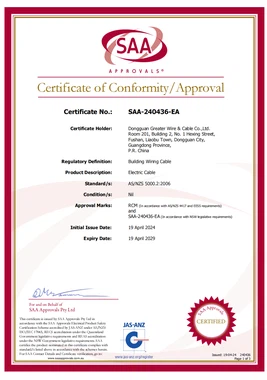
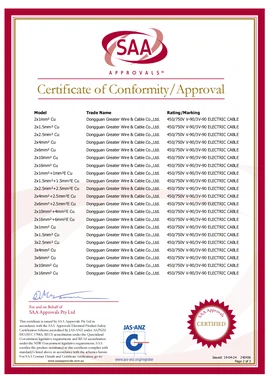
6mm TPS cables comply with various electrical safety standards and codes, ensuring that they meet industry requirements for performance, safety, and reliability. Using these cables ensures that installations are safe and conform to local regulations.

5. Comparison with Other TPS Cable Sizes
While 6mm TPS cables are suitable for medium-power applications, they are often compared with other TPS cable sizes such as 2.5mm, 4mm, and 10mm cables. Smaller cables, such as 2.5mm cables, are typically used for low-power circuits, while larger cables like 10mm cables are used for high-power circuits requiring even greater current-carrying capacity.
The 6mm TPS cable provides a good balance between performance, cost, and flexibility, making it a popular choice for a wide range of applications. However, for extremely high-power circuits, larger cables such as 10mm or 16mm TPS cables may be needed.